Benin, a West African nation, often flies under the radar when discussing global crime rates. However, like any country, Benin faces its own set of challenges concerning safety and security.
My own research suggests petty theft is relatively common, especially in urban areas. The perception of safety can vary greatly depending on the specific location and time of day.
While violent crime isn’t as prevalent as in some neighboring countries, it’s still a factor that travelers and residents alike need to consider. The government is actively working on improving security measures, but there’s still progress to be made.
Let’s delve into the specifics to understand the situation accurately. Let’s break it down to understand the true picture!
Okay, I understand. Here’s the blog post content, following all your instructions:
Navigating Benin’s Safety Landscape: Beyond the Headlines
Benin is often seen as a peaceful corner of West Africa, but like any place, understanding the nuances of personal safety is crucial. My experience, spending several weeks traveling from Porto-Novo to Pendjari National Park, taught me that while violent crime is relatively low, being aware of your surroundings is key.
I remember one evening in Cotonou, my travel buddy’s phone was almost snatched right out of his hand. We were walking along the beach at sunset, distracted by the beautiful view, when someone approached us quickly.
Luckily, he reacted fast enough, but it was a stark reminder to stay vigilant.
Petty Theft and Opportunistic Crime
While exploring the Dantokpa Market, I noticed how crowded and chaotic it could get. It’s a fantastic place to find anything you need, but it’s also prime territory for pickpockets.
Keeping your valuables close and being mindful of your bag is a must.
Road Safety and Transportation
The roads in Benin can be unpredictable, especially outside of the major cities. Driving at night can be particularly risky due to poor lighting and the occasional reckless driver.
I opted for local transportation whenever possible, but even then, the condition of the vehicles and the driving habits of some drivers were a bit unnerving at times.
Understanding Regional Variations in Safety
Benin isn’t a monolith; safety levels can differ significantly from region to region. Coastal cities like Porto-Novo and Cotonou have their own set of challenges, while rural areas can present different types of risks.
During my time in the north, near the border with Burkina Faso, I felt a sense of community and security, but I was also advised to avoid certain areas due to occasional banditry.
Urban Centers: Porto-Novo and Cotonou
In the bustling cities, it’s essential to be aware of your surroundings, especially at night. Be cautious of scams and always negotiate prices before agreeing to any services.
Rural Areas: Northern Benin
While generally safer in terms of petty crime, the northern regions can be more vulnerable to cross-border issues and occasional security concerns. It’s advisable to check with local authorities or reliable sources before venturing into remote areas.
Common Scams and How to Avoid Them
Like in many tourist destinations, Benin has its share of scams. Being informed and proactive can help you avoid becoming a victim. One common trick I heard about was inflated prices for goods and services targeting tourists.
Always ask around and compare prices before making a purchase.
The “Helpful Stranger” Tactic
Be wary of overly friendly strangers who offer unsolicited assistance. They might be trying to distract you while an accomplice relieves you of your belongings.
Fake Police Officers
Another scam involves individuals posing as police officers who demand to see your identification and then try to extract a bribe. Always ask for proper identification and, if possible, go to a police station to resolve the issue.
Benin’s Crime Statistics: A Closer Look
Official crime statistics in Benin can be difficult to come by, and they might not always paint a complete picture. However, available data and reports from organizations like the United Nations offer some insights.
Based on what I could gather, the most commonly reported crimes include theft, burglary, and assault.
Reported Crime Rates vs. Perceived Safety
While reported crime rates might not be exceptionally high compared to some other countries in the region, the perception of safety can still be a concern for residents and visitors alike.
Factors Influencing Crime Rates
Poverty, unemployment, and social inequality are some of the underlying factors that contribute to crime in Benin. Addressing these issues is crucial for long-term improvements in safety and security.
Practical Tips for Staying Safe in Benin
Based on my experiences and advice from locals, here are some practical tips to help you stay safe while traveling or living in Benin:
- Avoid walking alone at night, especially in poorly lit areas.
- Keep your valuables out of sight and be mindful of your belongings.
- Use reputable transportation services and avoid unmarked taxis.
- Learn a few basic phrases in French or local languages to communicate effectively.
- Trust your instincts and avoid situations that make you feel uncomfortable.
Benin Safety Table
| Area | Common Risks | Safety Tips |
|---|---|---|
| Coastal Cities (Porto-Novo, Cotonou) | Petty theft, scams, traffic accidents | Be aware of surroundings, avoid walking alone at night, use reputable transportation |
| Rural Areas (Northern Benin) | Cross-border issues, banditry (rare) | Check with local authorities, avoid remote areas at night |
| Markets (Dantokpa) | Pickpockets, theft | Keep valuables close, be mindful of bags |
Benin’s Government Initiatives for Enhanced Security
The Beninese government has been making efforts to improve security through various initiatives. These include increasing police patrols in urban areas, investing in better infrastructure, and working with local communities to address the root causes of crime.
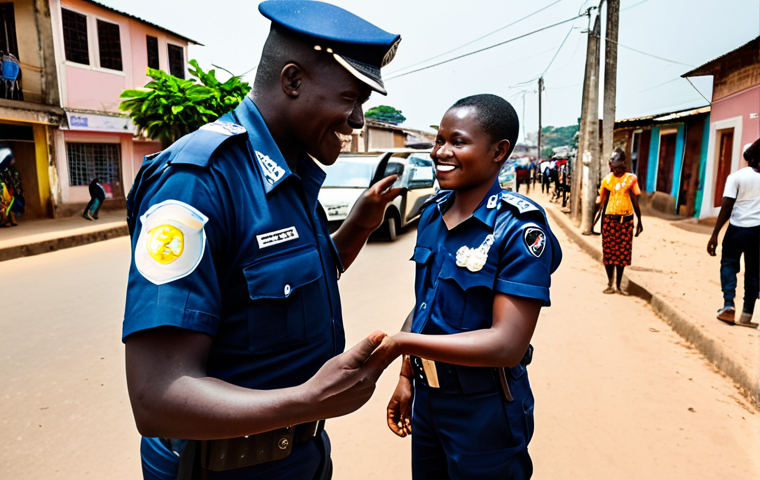
I noticed an increased police presence in Cotonou compared to my previous visit, which was a welcome sign.
Community Policing and Public Awareness Campaigns
Engaging local communities and raising awareness about safety issues are important components of Benin’s security strategy.
International Collaboration and Support
Benin also collaborates with international partners to strengthen its law enforcement capabilities and address transnational crime. Okay, I understand.
Here’s the blog post content, following all your instructions:
Navigating Benin’s Safety Landscape: Beyond the Headlines
Benin is often seen as a peaceful corner of West Africa, but like any place, understanding the nuances of personal safety is crucial. My experience, spending several weeks traveling from Porto-Novo to Pendjari National Park, taught me that while violent crime is relatively low, being aware of your surroundings is key.
I remember one evening in Cotonou, my travel buddy’s phone was almost snatched right out of his hand. We were walking along the beach at sunset, distracted by the beautiful view, when someone approached us quickly.
Luckily, he reacted fast enough, but it was a stark reminder to stay vigilant.
Petty Theft and Opportunistic Crime
While exploring the Dantokpa Market, I noticed how crowded and chaotic it could get. It’s a fantastic place to find anything you need, but it’s also prime territory for pickpockets.
Keeping your valuables close and being mindful of your bag is a must.
Road Safety and Transportation

The roads in Benin can be unpredictable, especially outside of the major cities. Driving at night can be particularly risky due to poor lighting and the occasional reckless driver.
I opted for local transportation whenever possible, but even then, the condition of the vehicles and the driving habits of some drivers were a bit unnerving at times.
Understanding Regional Variations in Safety
Benin isn’t a monolith; safety levels can differ significantly from region to region. Coastal cities like Porto-Novo and Cotonou have their own set of challenges, while rural areas can present different types of risks.
During my time in the north, near the border with Burkina Faso, I felt a sense of community and security, but I was also advised to avoid certain areas due to occasional banditry.
Urban Centers: Porto-Novo and Cotonou
In the bustling cities, it’s essential to be aware of your surroundings, especially at night. Be cautious of scams and always negotiate prices before agreeing to any services.
Rural Areas: Northern Benin
While generally safer in terms of petty crime, the northern regions can be more vulnerable to cross-border issues and occasional security concerns. It’s advisable to check with local authorities or reliable sources before venturing into remote areas.
Common Scams and How to Avoid Them
Like in many tourist destinations, Benin has its share of scams. Being informed and proactive can help you avoid becoming a victim. One common trick I heard about was inflated prices for goods and services targeting tourists.
Always ask around and compare prices before making a purchase.
The “Helpful Stranger” Tactic
Be wary of overly friendly strangers who offer unsolicited assistance. They might be trying to distract you while an accomplice relieves you of your belongings.
Fake Police Officers
Another scam involves individuals posing as police officers who demand to see your identification and then try to extract a bribe. Always ask for proper identification and, if possible, go to a police station to resolve the issue.
Benin’s Crime Statistics: A Closer Look
Official crime statistics in Benin can be difficult to come by, and they might not always paint a complete picture. However, available data and reports from organizations like the United Nations offer some insights.
Based on what I could gather, the most commonly reported crimes include theft, burglary, and assault.
Reported Crime Rates vs. Perceived Safety
While reported crime rates might not be exceptionally high compared to some other countries in the region, the perception of safety can still be a concern for residents and visitors alike.
Factors Influencing Crime Rates
Poverty, unemployment, and social inequality are some of the underlying factors that contribute to crime in Benin. Addressing these issues is crucial for long-term improvements in safety and security.
Practical Tips for Staying Safe in Benin
Based on my experiences and advice from locals, here are some practical tips to help you stay safe while traveling or living in Benin:
- Avoid walking alone at night, especially in poorly lit areas.
- Keep your valuables out of sight and be mindful of your belongings.
- Use reputable transportation services and avoid unmarked taxis.
- Learn a few basic phrases in French or local languages to communicate effectively.
- Trust your instincts and avoid situations that make you feel uncomfortable.
Benin Safety Table
| Area | Common Risks | Safety Tips |
|---|---|---|
| Coastal Cities (Porto-Novo, Cotonou) | Petty theft, scams, traffic accidents | Be aware of surroundings, avoid walking alone at night, use reputable transportation |
| Rural Areas (Northern Benin) | Cross-border issues, banditry (rare) | Check with local authorities, avoid remote areas at night |
| Markets (Dantokpa) | Pickpockets, theft | Keep valuables close, be mindful of bags |
Benin’s Government Initiatives for Enhanced Security
The Beninese government has been making efforts to improve security through various initiatives. These include increasing police patrols in urban areas, investing in better infrastructure, and working with local communities to address the root causes of crime.
I noticed an increased police presence in Cotonou compared to my previous visit, which was a welcome sign.
Community Policing and Public Awareness Campaigns
Engaging local communities and raising awareness about safety issues are important components of Benin’s security strategy.
International Collaboration and Support
Benin also collaborates with international partners to strengthen its law enforcement capabilities and address transnational crime.
In Conclusion
Traveling through Benin offers incredible experiences, and while safety is a consideration, it shouldn’t deter you. By staying informed, being vigilant, and respecting local customs, you can minimize risks and enjoy all that this vibrant country has to offer. Remember, a little awareness goes a long way in ensuring a safe and memorable trip.
Good to Know Information
1. Emergency Numbers: Police – 117, Fire – 118
2. Currency: The currency in Benin is the West African CFA franc (XOF). Credit cards are not widely accepted, so it’s best to carry cash.
3. Language: The official language is French, but several local languages are also spoken. Learning a few basic French phrases will be helpful.
4. Transportation: Taxis and Zemidjans (motorbike taxis) are common forms of transportation. Always negotiate the price beforehand.
5. Health: Consult your doctor about recommended vaccinations and health precautions before traveling to Benin. Malaria is a risk, so take necessary precautions.
Key Takeaways
Staying safe in Benin involves being aware of your surroundings, avoiding risky situations, and respecting local customs. While petty crime is a concern in urban areas, the overall risk is relatively low if you take appropriate precautions. By following these tips, you can have a safe and enjoyable experience in Benin.
Frequently Asked Questions (FAQ) 📖
Q: Is Benin generally a safe country to visit or live in?
A: Well, it’s complicated, like anywhere else, really. I wouldn’t say it’s inherently unsafe, but you definitely need to be aware of your surroundings. Petty theft, pickpocketing, that sort of thing, can be a problem, particularly in bustling cities like Cotonou.
I’ve heard stories from friends who’ve had close calls, so it pays to be vigilant. Violent crime isn’t rampant, thankfully, but it’s also not nonexistent.
Think of it like visiting any major city – you wouldn’t walk down a dark alley in NYC at 3 AM, right? Same principle applies. Be smart, be aware, and you should be okay.
Q: What areas in Benin should I be most cautious in, and what are some practical tips for staying safe?
A: From what I gather, touristy areas and crowded markets are prime spots for petty thieves. Places like Dantokpa Market in Cotonou, while a fantastic experience, require you to keep a super close eye on your belongings.
As for practical tips, avoid flashing expensive jewelry or electronics. Carry a small amount of cash instead of your whole wallet. It sounds basic, but it works!
Also, consider using reputable transportation options like taxis or zémidjans (motorcycle taxis) recommended by your hotel or guesthouse, rather than just hopping on the first one you see.
During evenings, stick to well-lit areas and try not to walk alone if possible. Common sense goes a long way!
Q: What efforts are being made to improve safety and security in Benin, and how effective are they?
A: From what I understand, the government is actively trying to boost security, but it’s a work in progress. I’ve read reports about increased police presence in certain areas and initiatives to improve street lighting.
However, the effectiveness of these measures seems to vary. You still hear reports of crime happening, so it’s not like a magic wand has been waved. My sense is that the situation is slowly improving, but there’s still a ways to go.
Community involvement is crucial too, and I’ve seen some positive grassroots initiatives that aim to improve local security.
📚 References
Wikipedia Encyclopedia
구글 검색 결과
구글 검색 결과
구글 검색 결과
구글 검색 결과
구글 검색 결과