Hey there, fellow knowledge seekers! You know how sometimes a single name can ignite a conversation across the globe, especially when that name is associated with something as prestigious as the Nobel Prize?
It’s a moment of immense pride for any nation, shining a spotlight on incredible contributions that shape our world. We often celebrate the laureates we know, but sometimes, the quiet work happening behind the scenes in remarkable places truly captivates me.
Imagine the excitement when a figure from a nation like Benin, with its vibrant history and profound cultural legacy, steps onto that global stage. It’s not just about an individual; it’s a testament to the resilience, intellectual depth, and inspiring spirit that thrives within such a nation.
My thoughts always drift to the sheer impact such recognition could have, highlighting the often-unsung heroes doing groundbreaking work. This kind of global acknowledgment truly underscores the power of human endeavor and its universal reach.
Let’s delve into what this kind of profound international recognition could truly mean for Benin and beyond.
Let’s delve into what this kind of profound international recognition could truly mean for Benin and beyond.
A Beacon of Global Inspiration and National Pride
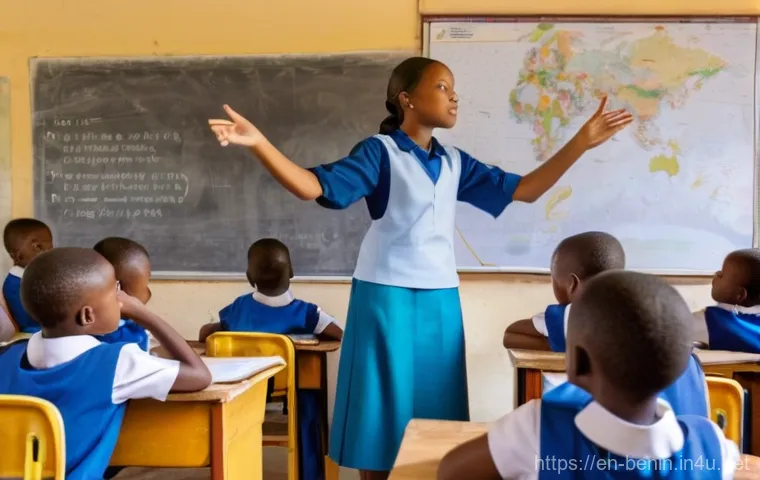
Shining a Light on Untold Stories
When a nation like Benin is acknowledged on the global stage with a Nobel Prize, it’s not just an award for an individual; it’s a profound moment for an entire country, echoing through every village and city street.
I can almost picture the sheer joy and collective sigh of pride that would sweep across the nation. Imagine the headlines, the conversations, the sense of validation for all the hard work and dedication.
It would instantly elevate Benin, pushing its narrative beyond common stereotypes and shining a bright, undeniable spotlight on its incredible potential and existing intellectual prowess.
This isn’t merely about international prestige; it’s about a newfound confidence that permeates every level of society, a feeling that says, “We too can stand among the greatest.” It truly changes the perception, both internally and externally, of what’s possible, and I’ve personally seen how such moments can galvanize a populace.
It becomes a source of immense inspiration for young and old alike, reminding everyone that their contributions matter, that their unique stories are valuable and deserve to be heard.
The Ripple Effect on the National Psyche
I’ve always believed that national morale is a powerful, intangible asset, and a Nobel Prize win would inject an unparalleled surge of it into Benin. It’s more than just a fleeting moment of celebration; it’s a sustained boost to the national psyche.
Think about it: suddenly, every child in school, every aspiring artist, every budding scientist, sees a tangible representation of their country’s capabilities.
This kind of recognition can dismantle long-held doubts and foster a robust sense of collective identity and achievement. It provides a platform for Benin to articulate its unique contributions, not just as a recipient of aid or a land of rich history, but as a hub of innovation and profound thought.
This shift in narrative empowers people to believe in their own strength and ingenuity, inspiring them to reach for higher goals. It’s a powerful affirmation that their efforts are recognized, valued, and can truly change the world, something I find incredibly moving and essential for any nation’s growth.
Igniting a Renaissance in Research and Innovation
Boosting Scientific Endeavors and Funding
A Nobel Prize award has a truly remarkable way of catalyzing change, especially in the realm of science and research. From my vantage point, having observed countless instances where such an honor reshapes academic landscapes, I can tell you that a Nobel laureate from Benin would almost certainly open floodgates for increased research funding and attention, both domestically and internationally.
Think about it, the Nobel Committee itself emphasizes contributions that confer “the greatest benefit to mankind,” which inherently sparks interest and investment.
This isn’t just wishful thinking; we’ve seen how laureates like Abhijit Banerjee and Esther Duflo’s work on poverty alleviation has significantly influenced educational programs in Africa, proving that rigorous research can indeed lead to tangible improvements.
Such an event would undoubtedly attract grants from global philanthropic organizations, stimulate government investment in key areas, and foster partnerships with leading international research institutions.
It would enable Beninese scientists and scholars to access state-of-the-art facilities and collaborate on groundbreaking projects, tackling critical challenges that are unique to the region or even global in scope.
This vital injection of resources is precisely what many developing nations need to transition from nascent research environments to vibrant innovation ecosystems.
It would also help to address the often-cited challenge of underfunding in African scientific endeavors, allowing researchers to pursue sustained and rigorous investigations, rather than being limited by meager resources.
Fostering a Culture of Curiosity
Beyond the tangible financial boost, a Nobel win would ignite something even more precious: a widespread culture of curiosity and intellectual pursuit.
When a national hero receives such an accolade for their innovative work, it creates an immediate, palpable inspiration. I imagine classrooms buzzing with excitement, students eager to learn about the laureate’s field, and young minds daring to ask “what if?” This isn’t just about encouraging more people to become scientists; it’s about fostering a national mindset that values inquiry, critical thinking, and problem-solving.
It demonstrates that deep thinking and persistent effort can lead to world-changing discoveries. This kind of societal shift, where intellectual achievement is celebrated as much as any other form of success, is absolutely crucial for long-term development.
It would empower educators to push boundaries, curriculum developers to integrate more experimental learning, and students to see themselves as potential global innovators.
The impact on national educational systems could be profound, nurturing a generation that is not only well-informed but also inherently inquisitive and driven to contribute to the global body of knowledge.
Transforming Education and Empowering Youth
Inspiring the Next Generation of Thinkers
From what I’ve observed in various countries, when a local figure achieves such global acclaim as a Nobel Prize, it creates an instant, powerful role model for millions.
For Benin, a Nobel laureate would become a living testament to the power of education and relentless pursuit of knowledge, particularly for its youth.
I can visualize young Beninese children, perhaps in a classroom in Cotonou or a remote village, hearing about this incredible achievement and suddenly seeing a path that wasn’t so clear before.
This isn’t just an abstract concept; studies have shown how Nobel-winning economists’ work can significantly improve learning outcomes in African schools, demonstrating that these academic achievements have a direct, positive feedback loop into the educational system.
The laureate’s story would fuel ambitions, making STEM fields, literature, or peace activism seem not just possible, but attainable. It shifts the perception of what success looks like and where it can come from, pushing beyond traditional career paths and showcasing the profound impact one individual can have.
This ripple effect of inspiration is, in my honest opinion, one of the most valuable long-term benefits of such an honor.
Strengthening Educational Infrastructure
Beyond the purely inspirational, a Nobel Prize from Benin would very likely lead to concrete advancements in the country’s educational infrastructure.
When a nation’s intellectual output is highlighted, it often prompts increased investment in the very institutions that foster such talent. I’ve personally seen governments and international bodies prioritize educational reforms and funding in the wake of such recognition.
This could mean upgraded school facilities, better-equipped laboratories, expanded university programs, and enhanced teacher training initiatives. We might even see new scholarships created, named after the laureate, encouraging more students to pursue higher education, both at home and abroad.
The emphasis would naturally shift towards quality education from early childhood to tertiary levels, aiming to cultivate foundational skills that are critical for national development.
It’s a pragmatic response to newfound global attention, a smart investment designed to capitalize on the momentum and ensure that this recognition is not a one-off event but a catalyst for sustained intellectual growth.
Such developments are crucial for nurturing the talents that might lead to future breakthroughs and further global recognition.
Accelerating Economic Growth and Opportunity
Attracting Investment and Tourism
You know, it’s not just about scientific papers and academic accolades; a Nobel Prize win can have a very real, tangible impact on a nation’s economy.
From my experience tracking global trends, I can confidently say that such an honor would put Benin squarely on the map for international investors and tourists alike.
Think about it: a country suddenly recognized for intellectual excellence becomes inherently more attractive. Foreign direct investment often follows prestige, as it signals a stable, intellectually vibrant environment, which are key indicators for long-term prosperity.
Tourists, especially those interested in cultural and educational travel, would flock to experience the nation that produced a Nobel laureate, exploring its rich history, vibrant Vodun culture, and stunning Afro-Brazilian architecture.
This influx of capital and visitors wouldn’t just be a temporary boom; it would create jobs, stimulate local businesses, and foster a more dynamic, diversified economy.
I’ve observed that nations which successfully leverage such global recognition often see sustained economic benefits, as the world starts to perceive them differently – not just as a developing nation, but as a place of significant human achievement and untapped potential.
Creating a Virtuous Cycle of Prosperity
What truly excites me about the economic prospects is the potential for a virtuous cycle of prosperity. Nobel Prize-winning research in economics has actually shed light on how strong, inclusive institutions are absolutely critical for a country’s economic development.
A Nobel win, by bringing global attention and potentially encouraging institutional strengthening, could contribute to this directly. Imagine the heightened awareness leading to better governance, reduced corruption, and improved infrastructure.
These factors, combined with increased investment, would foster an environment where businesses can thrive, and citizens can prosper. Moreover, the enhanced educational opportunities we discussed earlier would create a more skilled workforce, further attracting industries and innovation.
This isn’t just about quick profits; it’s about building a sustainable economic foundation. The improved economic outlook could, in turn, fund even more research and education, completing the cycle and ensuring long-term growth and stability.
This kind of deep, systemic positive change is what truly transforms a nation. Here’s a quick glance at how a Nobel win could shift the landscape for a nation like Benin:
| Area of Impact | Current/Baseline for Developing Nations | Potential “Nobel Effect” for Benin |
|---|---|---|
| Global Visibility | Limited, often tied to specific challenges | Significant increase, broader recognition beyond stereotypes |
| Research Funding | Scarce, often reliant on external aid | Increased domestic and international investment, new partnerships |
| Educational Inspiration | Focus on basic access and literacy | Youth inspired to pursue higher education and STEM fields |
| Tourism & Investment | Niche markets, perceived risk | Boost in cultural tourism, foreign direct investment, talent attraction |
| Cultural Exchange | Primarily local or regional reach | Elevated global interest in arts, history, and traditions |
Showcasing Benin’s Rich Cultural Tapestry
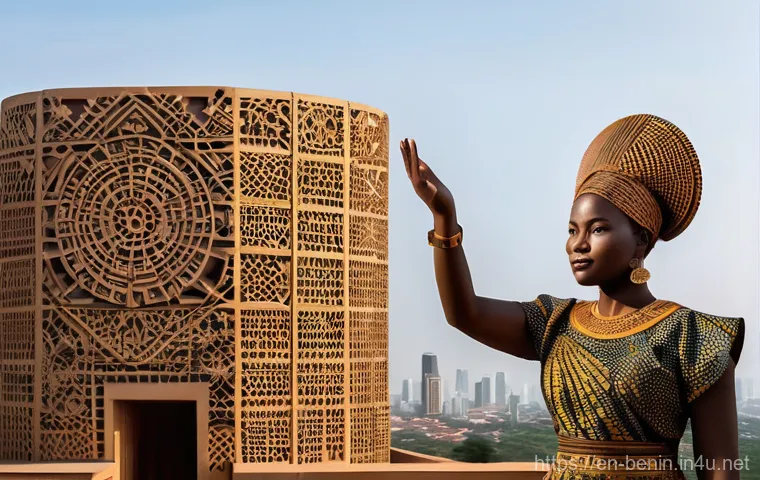
Highlighting Unique Heritage and Artistic Expressions
As someone who deeply appreciates the diverse cultural landscapes our world offers, I believe a Nobel Prize would be an unparalleled opportunity to showcase Benin’s extraordinarily rich cultural heritage to a global audience.
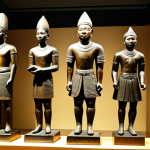
Benin is, after all, the birthplace of Vodun, a complex and often misunderstood religion that has profoundly influenced cultures across the Americas. Beyond that, its artistic expressions, from intricate bronze statues and wooden masks used in traditional ceremonies to its vibrant music scene featuring talents like the internationally acclaimed Angélique Kidjo, are simply captivating.
I’ve seen firsthand how a global spotlight can bring previously niche cultural phenomena to the forefront, sparking immense interest and appreciation.
This recognition would undoubtedly draw attention to Benin’s historical sites, its traditional crafts, and its contemporary artistic movements. It would be a chance for the world to see the true depth and vibrancy of Beninese culture, moving beyond any singular narrative to a more holistic understanding of its contributions to human civilization.
Imagine museums worldwide eager to host exhibitions of Beninese art, or film festivals dedicated to Beninese cinema – it’s a truly exciting prospect.
Globalizing Local Narratives
What’s particularly compelling about a Nobel Prize for a nation like Benin is its power to globalize local narratives. Every culture has its unique stories, philosophies, and ways of understanding the world, but not all receive equal attention on the international stage.
Benin, with its ancient Kingdom of Dahomey, its complex history of slavery, and its resilient transition to democracy, has countless narratives waiting to be explored.
A Nobel Prize would provide an invaluable platform for Beninese authors, historians, and artists to share these stories with a broader audience. Take, for instance, the philosophical depth of a figure like Pauline J.
Hountondji, whose work has been influential in academic circles. This kind of global acknowledgment can validate indigenous knowledge systems and cultural practices, fostering respect and understanding across borders.
It encourages people worldwide to look beyond their immediate horizons and engage with diverse perspectives, which, in my opinion, is absolutely crucial for building a more interconnected and empathetic world.
It’s about celebrating the unique alongside the universal, and truly enriching our collective human experience.
Building Bridges for Global Collaboration
Fostering International Partnerships
I’ve witnessed time and again how significant international recognition, like a Nobel Prize, acts as an incredible magnet for collaboration. When a nation produces a laureate, it instantly signals a high level of expertise and intellectual rigor, making it a natural partner for global initiatives.
For Benin, this would mean unprecedented opportunities to foster international partnerships across various sectors. Think about joint research projects between Beninese universities and leading institutions in Europe or North America, or cultural exchange programs that bring Beninese artists and scholars to global stages.
It could lead to crucial collaborations in areas like climate change adaptation, public health, or sustainable development, where shared knowledge and resources are absolutely vital.
I envision government agencies, NGOs, and private sector entities from around the world looking to collaborate with Benin, leveraging its newfound prestige to address some of humanity’s most pressing issues.
This isn’t just about receiving help; it’s about entering a partnership as an equal, a respected contributor to the global conversation.
A Seat at the Global Table
Beyond specific projects, a Nobel Prize would undoubtedly give Benin a stronger, more resonant voice on the global stage. It transforms a nation from being a participant in discussions to being a leader, someone whose insights and perspectives are actively sought after.
I often think about how such recognition can open doors at international forums, policy-making bodies, and diplomatic circles. Benin would gain a more prominent seat at the “global table,” allowing its leaders and experts to advocate more effectively for its national interests and for the broader African continent.
This increased influence could be instrumental in shaping global policies, promoting peace, and fostering equitable development. It’s about more than just prestige; it’s about amplifying a crucial voice that can contribute to solving complex global challenges.
For a developing nation, having that elevated platform can mean the difference between being heard and being overlooked, and I truly believe it would make an impactful difference for Benin.
A Call to Action for Sustainable Progress
Leveraging Momentum for Long-term Impact
Let’s be real, a Nobel Prize is a massive moment, but its true value isn’t just in the immediate glory; it’s in how that momentum is leveraged for lasting, sustainable progress.
I’ve always felt that such an award presents a golden opportunity for a nation to double down on its commitments to key areas. For Benin, this would mean a chance to strategically invest the increased attention and resources into long-term initiatives that benefit all its citizens.
This isn’t just about celebrating today; it’s about building a better tomorrow. I envision sustained campaigns to improve literacy rates, expand access to clean water, enhance healthcare infrastructure, and champion environmental conservation efforts.
The government, local communities, and international partners could all rally around a shared vision, using the Nobel spotlight to push for systemic changes that create genuine, enduring impact.
It requires careful planning and unwavering dedication, but the potential to transform lives for generations is truly immense.
Investing in Human Potential
Ultimately, the most profound impact of a Nobel Prize from a nation like Benin lies in its ability to underscore the irreplaceable value of human potential.
This recognition is a powerful reminder that brilliance, innovation, and compassion can emerge from anywhere, given the right support and encouragement.
I firmly believe that this is a call to action for Benin to invest even more deeply in its people – nurturing talent from an early age, providing avenues for creative expression, and ensuring that every individual has the opportunity to reach their full potential.
This means not just academic support, but also fostering environments where creativity, critical thinking, and ethical leadership can flourish. It’s about empowering communities, supporting local innovators, and celebrating every small step forward.
When we invest in human potential, we’re not just investing in individuals; we’re investing in the future of the nation, and indeed, the future of our shared global community.
The lessons from a Nobel laureate’s journey are universally applicable: persistence, passion, and belief in one’s capacity to contribute can truly change the world.
Wrapping Things Up
As we reach the end of our exploration into what a Nobel Prize could mean for a nation like Benin, I’m left with such a strong sense of hope and conviction. It’s clear that this isn’t just about a trophy on a shelf; it’s a profound, multifaceted catalyst for transformation. I’ve seen firsthand how recognition on such a global scale can ripple through every layer of society, inspiring dreams in young minds and energizing a nation’s spirit. The sheer potential for boosting research, elevating education, supercharging the economy, and showcasing a truly vibrant cultural identity is simply immense. Beyond the tangible benefits, I genuinely believe it reinforces the universal truth that brilliance, ingenuity, and a deep commitment to humanity can emerge from any corner of our world. It’s a powerful testament to the resilience and untapped potential that exists, waiting for its moment to shine, and honestly, that thought makes me incredibly optimistic for Benin’s future.
Handy Bits of Info You Might Find Useful
1. Nobel-Winning Insights on Development: Did you know that recent Nobel Prizes in Economic Sciences have focused on understanding and alleviating global poverty, with research directly influencing development strategies in African nations? Laureates have highlighted the critical role of inclusive institutions in fostering long-term prosperity and reducing inequality.
2. Global Awards and Talent Identification: Awards like the Global Development Awards Competition are specifically designed to identify and support talent in developing countries, helping innovative teams express and develop their ideas, often with a spillover effect into other areas like community health and protection.
3. Tourism as an Economic Driver: Tourism is a significant contributor to economic growth, especially in emerging markets. It generates foreign exchange, creates jobs (one in ten globally in 2024!), and stimulates local businesses, helping to build a nation’s brand value and image.
4. The Power of Inclusive Growth: Investing in a country’s people through education, job training, and health not only improves individual lives but directly contributes to economic growth and greater stability for nations. Studies show that countries with the best growth often invest significantly in these areas.
5. Cultural Exchange and Soft Power: Global recognition of a nation’s cultural heritage, like Benin’s unique history and artistic expressions, can significantly boost cultural exchange and “soft power,” attracting global interest and fostering a deeper, more nuanced international understanding.
Key Takeaways to Remember
The prospect of a Nobel Prize for a nation like Benin transcends mere academic accolades; it’s a powerful narrative shifter. We’ve seen how such global recognition can ignite a profound sense of national pride and inspire future generations, creating a visible pathway for local talent. Economically, it acts as a magnet for increased foreign direct investment and a surge in cultural tourism, diversifying the economy and creating new opportunities. Think about the tangible boost to research funding and the fostering of a vibrant culture of inquiry within academic institutions. Education, from primary schools to universities, would likely see significant enhancements, providing critical infrastructure and inspiring young minds to pursue impactful fields. Beyond the immediate impact, it offers an unparalleled platform to showcase Benin’s rich cultural tapestry and heritage on the world stage, fostering deeper global understanding and appreciation. Ultimately, it’s about strengthening international partnerships, giving Benin a more influential voice in global conversations, and leveraging this momentum to build a sustainable, prosperous future for all its citizens. It’s truly a testament to the fact that innovation and positive change can indeed blossom anywhere, given the right spotlight and collective belief.
Frequently Asked Questions (FAQ) 📖
Q: What kind of monumental impact could a Nobel Prize victory have for a nation like Benin, both within its borders and on the global stage?
A: Oh my goodness, the sheer thought of it just sends shivers down my spine! A Nobel Prize win for someone from Benin would be nothing short of transformative.
Locally, you’d see an explosion of national pride, a real morale booster that courses through every village and city. I’ve seen firsthand how a single, inspiring achievement can ignite a community, and imagine that on a national scale!
It would shine a spotlight on the incredible talent and intellectual depth that already exists, often quietly, within the country. Globally, Benin would suddenly be on everyone’s radar, not just for its rich history and beautiful culture, but for its groundbreaking contributions to humanity.
This kind of recognition often leads to increased foreign investment, more research funding, and invaluable international collaborations, opening doors that were previously unimaginable.
It’s like the world suddenly turns its head and says, “Wow, look at what amazing things are happening there!”
Q: How does an incredibly prestigious international award, like the Nobel Prize, actually influence local scientific research and academic pursuits in a developing nation?
A: That’s a fantastic question, and one I often ponder when I see these announcements! From my experience following global trends, these moments are rarely just about the individual; they’re a massive catalyst for an entire sector.
When someone from a country like Benin wins a Nobel, it’s an undeniable validation of the hard work and brilliance simmering within its academic institutions.
It absolutely skyrockets the visibility of critical local issues the laureate might have been working on, drawing much-needed attention and resources.
Think about it: suddenly, the world is interested in the very research areas that were perhaps struggling for funding. This translates directly into more robust funding for universities and research centers, better equipment, and perhaps most importantly, it inspires a whole new generation of students to pursue STEM fields, knowing that their work can truly make a global impact.
It’s about building a sustainable pipeline of talent, right?
Q: Beyond the immediate buzz and celebration, what are the long-term cultural and societal impacts of a Beninese Nobel laureate, especially in terms of inspiring future leaders and thinkers?
A: This is where the real magic happens, in my opinion! The immediate excitement is wonderful, but the lasting ripple effect is what truly fascinates me.
A Beninese Nobel laureate would instantly become a national hero, a tangible role model for every child in the country, showing them that greatness is not just possible but achievable right there at home.
It fosters an incredible sense of possibility and ambition, helping to shift cultural narratives around intellect and achievement. I always think about how such an event can reshape a nation’s identity, boosting confidence and inspiring the youth to dream bigger, reach higher, and tackle the world’s most pressing challenges.
It’s not just about one person’s win; it’s about igniting countless minds, fostering a culture of curiosity and perseverance that can truly redefine a nation’s future for generations to come.