Have you ever yearned for a coastal escape that feels genuinely untouched, where the rhythm of the waves sets the pace and vibrant local life unfolds right before your eyes?
I know I have, and that’s precisely why Benin’s captivating beaches and charming resorts have stolen a piece of my heart. This isn’t your typical crowded tourist spot; instead, you’ll find golden sands stretching into the horizon, kissed by the Atlantic, offering a tranquility that feels like a well-kept secret.
I’ve personally experienced the magic of discovering these serene shores, from the laid-back beauty of Grand Popo to the culturally rich coastline near Ouidah, and trust me, it’s an experience that truly recharges the soul.
If you’re looking for an authentic blend of natural beauty, warm hospitality, and a destination that offers something truly unique, then you’re in for a real treat.
Let’s dive in and explore this unforgettable West African coastal paradise!
Unveiling Benin’s Hidden Coastal Gems
The Serene Allure of Grand Popo
Oh, Grand Popo! Just thinking about it brings a smile to my face. I remember the first time I set foot on its shores; the sheer tranquility was almost palpable.
This isn’t your flashy, overcrowded tourist trap, but rather a place where time seems to slow down, allowing you to truly disconnect and breathe. The beaches here are absolutely pristine, stretching for miles with soft, golden sand that feels incredible underfoot.
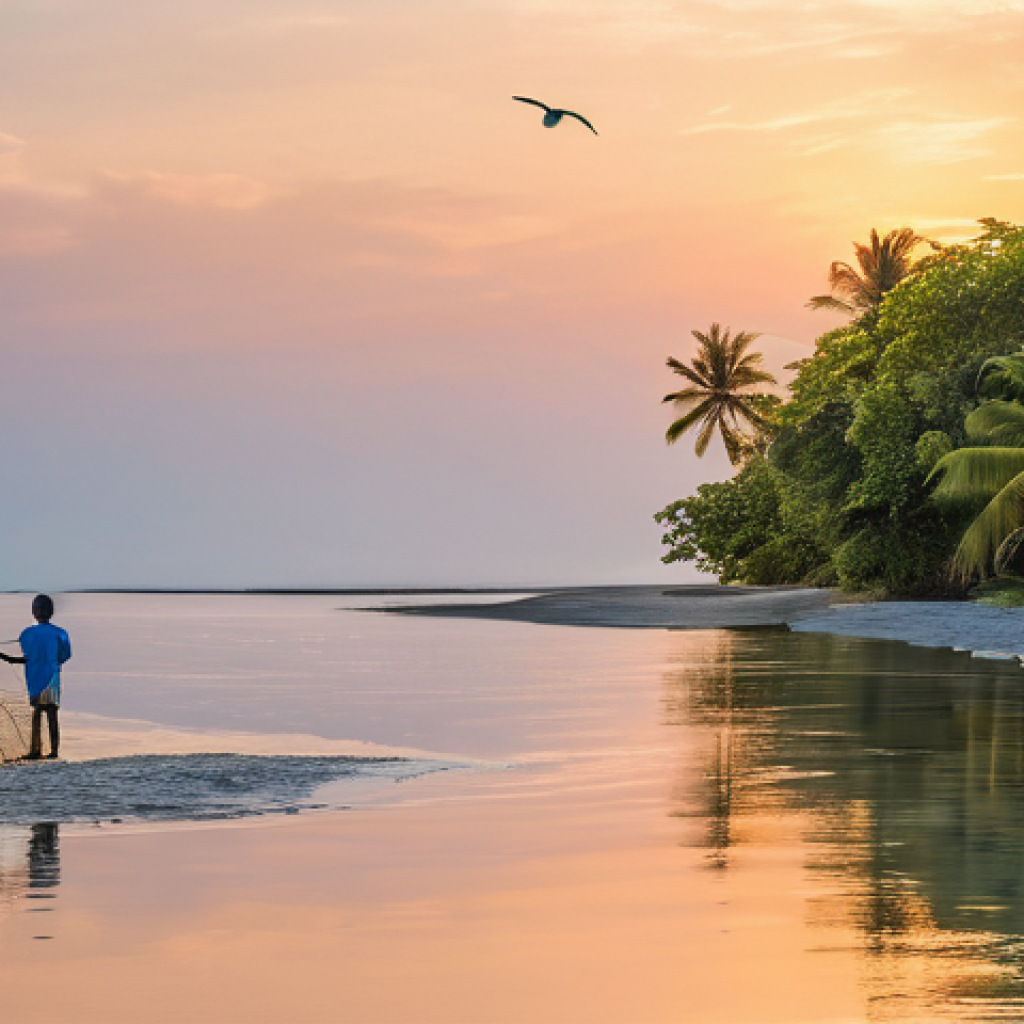
What struck me most was the gentle rhythm of daily life – local fishermen mending their nets, children playing by the water’s edge, and the ever-present, soothing sound of the Atlantic waves.
I spent days just walking along the coastline, feeling the warm ocean breeze and discovering hidden coves. It’s a perfect spot for those who yearn for a genuine escape, where you can truly unwind and soak in the natural beauty without any distractions.
I even tried my hand at some early morning fishing with a local, which was an unforgettable experience, even if my catch wasn’t exactly record-breaking!
The calm lagoon, where the Mono River meets the sea, offers a different kind of serenity, perfect for peaceful boat rides and birdwatching. Seriously, if you’re looking to recharge and reconnect with nature, Grand Popo should be at the very top of your list.
Ouidah’s Historical Sands and Spiritual Echoes
Venturing further along the coast brought me to Ouidah, and let me tell you, it’s a place that deeply moves you. While its beaches share the same stunning natural beauty as Grand Popo, Ouidah offers an incredibly rich layer of history and spirituality that truly sets it apart.
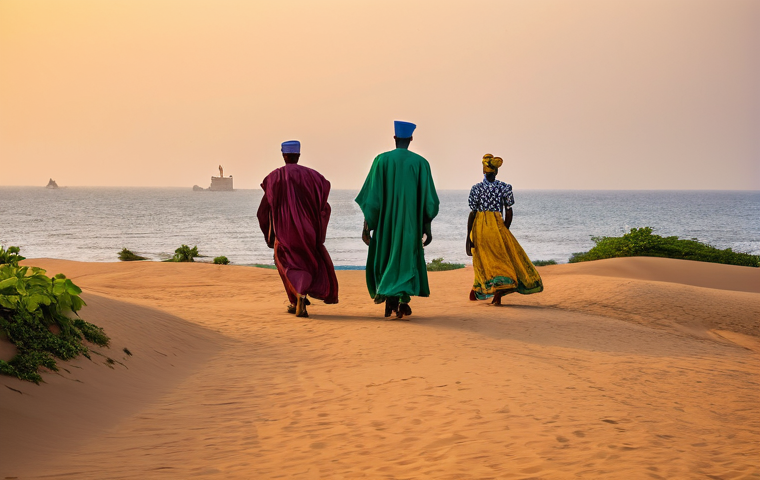
The infamous “Route des Esclaves,” or Slave Route, culminates at the “Gate of No Return” right by the ocean. Walking that path, reflecting on the profound human stories it represents, was an incredibly poignant experience that left an indelible mark on my heart.
It’s a powerful reminder of a dark chapter in history, yet standing there, I also felt a profound sense of resilience and the enduring spirit of a people.
Beyond this solemn history, Ouidah is also a vibrant center for Voodoo, the traditional religion of Benin. I found it fascinating to observe local ceremonies and learn about the spiritual practices that are deeply woven into the fabric of daily life here.
The beaches near Ouidah, while beautiful, are more than just a place for sunbathing; they are living landscapes that whisper tales of the past and present.
It truly combines relaxation with an immersive cultural journey, offering a unique blend that I haven’t found anywhere else.
Savoring the Authentic Local Experience
Feasting on Fresh Catches and Street Eats
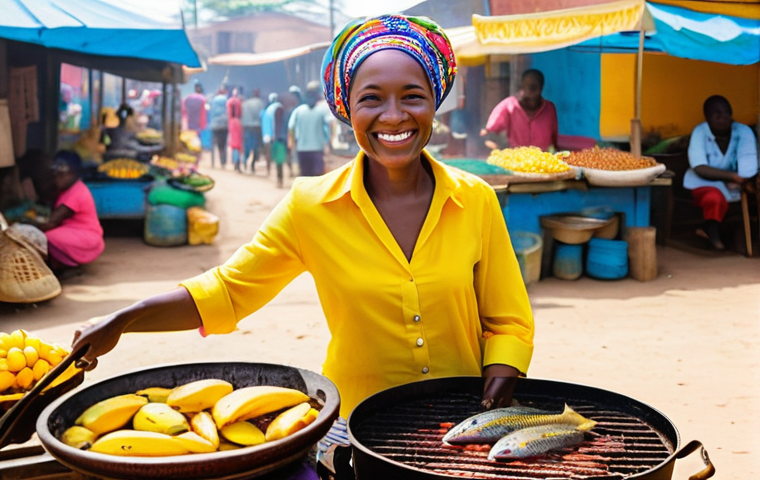
One of the absolute highlights of any trip for me is diving headfirst into the local cuisine, and Benin’s coast certainly did not disappoint! The moment I arrived, the aroma of grilled fish and spices filled the air, instantly whetting my appetite.
Along the beaches and in the bustling market towns, you’ll find an incredible array of fresh seafood, often caught that very morning. I practically lived on *poisson braisé* (grilled fish), usually a whole tilapia or capitaine, seasoned with a spicy marinade and served with *alloco* (fried plantains) or a side of fluffy rice.
There’s nothing quite like eating a perfectly cooked fish, still warm from the grill, with your toes in the sand, watching the sunset over the Atlantic.
Beyond the seafood, the street food scene is vibrant and incredibly delicious. Don’t miss out on trying *akassa* (a fermented corn paste) with a rich, flavorful sauce, or the delightful *kouskous* (couscous-like dish).
I quickly learned that the best meals are often found at the small, unassuming stalls where local families gather to eat. It’s not just about the food; it’s about the communal experience, the lively chatter, and the feeling of truly being part of the local rhythm.
My taste buds had an absolute party, and I found myself craving these flavors long after I left.
Diving into Vibrant Markets and Craftsmanship
Stepping into a Beninese market along the coast is an assault on the senses in the most wonderful way possible – a kaleidoscope of colors, a symphony of sounds, and an intoxicating mix of aromas.
I absolutely adore exploring these vibrant hubs, where daily life unfolds with such energy and authenticity. From the sprawling Dantokpa Market in Cotonou, though not directly on the beach, to smaller, more intimate markets in places like Ouidah, you’ll find everything imaginable.
I loved haggling for intricately carved wooden statues, vibrant hand-dyed fabrics (the patterns are just mesmerizing!), and beautifully woven baskets.
It’s not just about buying souvenirs; it’s about connecting with the artisans, hearing their stories, and appreciating the incredible skill and tradition behind each piece.
I remember chatting with a woman who had been making batik fabrics for over thirty years; her hands moved with such grace and precision. These markets are also fantastic places to pick up local spices, fresh fruits, and even try some local remedies.
It’s an immersive cultural experience, offering a glimpse into the heart of Beninese commerce and creativity. I always make sure to leave some space in my luggage for these unique finds!
Adventures Beyond the Horizon Line
Paddleboarding Through Mangrove Forests
While the ocean beckons, I discovered that some of the most serene adventures lie slightly inland, especially when you head towards the lagoons and estuaries.
One of my absolute favorite activities was paddleboarding through the calm, winding channels of the mangrove forests near Grand Popo. It’s an entirely different world from the open ocean – quiet, mystical, and teeming with life.
As I glided silently across the water, the sunlight dappling through the dense canopy of mangroves, I felt an incredible sense of peace. You’ll often spot a variety of birdlife, from egrets gracefully wading through the shallows to kingfishers darting by in a flash of color.
It’s a fantastic way to experience the local ecosystem up close, and it offers a cooling respite from the midday sun. I particularly enjoyed the challenge of navigating the narrow passages, feeling a real sense of accomplishment as I explored deeper into the natural labyrinth.
It’s an eco-friendly adventure that truly allows you to connect with the natural environment in a very intimate way, and it’s surprisingly accessible for all skill levels.
Exploring the Legacy of the Slave Route
As mentioned earlier, the historical significance of Ouidah is profound, and dedicating time to exploring the “Route des Esclaves” is an essential part of understanding Benin’s heritage.
Beyond just the “Gate of No Return,” the route itself is dotted with significant sites that tell a powerful and often heartbreaking story. Walking the path from the Ouidah Museum of History to the coast, with various monuments marking key stages of the journey, is an incredibly moving experience.
There’s the “Tree of Forgetfulness” and the “Tree of Return,” places where rituals were performed, illustrating the brutal and dehumanizing processes enslaved people were forced to endure.
I found myself pausing at each marker, absorbing the weight of history and reflecting on the resilience of the human spirit. It’s not a lighthearted excursion, but it’s an incredibly important one that offers deep insights into a pivotal moment in global history and its lasting impact.
Local guides, often descendants of those who lived through these times, offer invaluable perspectives and personal stories that bring the past vividly to life.
I truly believe that understanding this history enriches your entire experience of Benin, making your time on its beautiful coast even more meaningful.
Choosing Your Perfect Beachside Sanctuary
Boutique Charms vs. Rustic Retreats
When it comes to finding a place to rest your head along Benin’s coast, you’ll be delighted by the range of options, whether you’re a luxury seeker or a budget traveler like myself.
I’ve found that the beauty of Benin’s coastal accommodations lies in their variety and often, their authentic charm. In places like Grand Popo, you can find lovely boutique hotels that offer comfortable rooms, often with stunning ocean views, and amenities like swimming pools and excellent restaurants.
These are perfect if you’re looking for a bit more pampering after a day of exploring. I stayed at one charming guesthouse where the owner went out of his way to share local tips, making the experience feel incredibly personal and welcoming.
On the other hand, if you’re craving something more rustic and truly off the beaten path, there are fantastic local guesthouses and bungalows, often run by families, right on the beach.
These tend to be more basic but offer an unbeatable connection to local life and incredible value for money. I once rented a simple hut that opened directly onto the sand – falling asleep to the sound of the waves was pure bliss!
It really boils down to what kind of experience you’re seeking; both offer unique benefits.
Budgeting for Your Beninese Escape
One of the fantastic things about traveling to Benin is that it can be surprisingly affordable, especially compared to some of the more well-known coastal destinations around the world.
Your currency here is the West African CFA Franc (XOF), and I’ve found that your money can go a long way if you’re smart about it. Accommodation costs can vary wildly, from cozy guesthouses starting around 10,000-15,000 XOF per night (approximately $16-$25 USD) to more upscale boutique hotels that might run you 40,000 XOF or more.
Eating locally, especially at street stalls and small family-run restaurants, is incredibly economical and delicious. I could often get a hearty meal for less than 2,000-3,000 XOF ($3-$5 USD).
Transportation, particularly shared taxis or *zémidjans* (motorcycle taxis), is also very budget-friendly, making it easy to explore without breaking the bank.
Activities like hiring a local guide or taking a boat trip might cost a bit more, but they offer incredible value in terms of experience. I always recommend setting aside a little extra for unique souvenirs and unexpected adventures, but overall, Benin offers an enriching travel experience that doesn’t demand a massive budget.
Navigating with Ease: Tips for Travelers
Getting Around and Staying Safe
Navigating Benin’s coast is generally quite straightforward, but a few insider tips can make your journey even smoother. For shorter distances within towns or between nearby villages, *zémidjans* are your best friend.
These motorcycle taxis are ubiquitous, cheap, and offer a thrilling, albeit sometimes exhilarating, way to get around. Just be sure to agree on the price *before* you hop on, and don’t be afraid to haggle a little!
For longer distances between coastal towns like Grand Popo, Ouidah, and Cotonou, shared taxis (bush taxis) or even private car hires are readily available.
While road conditions can sometimes be a bit rough, the views are often spectacular. In terms of safety, I’ve always felt very welcomed and secure in Benin.
That said, like anywhere, it’s wise to be aware of your surroundings, especially at night, and to keep valuables out of sight. Trust your instincts, and if a situation feels off, it probably is.
The local people are generally incredibly friendly and helpful, and a little French or a smile goes a long way. I’ve found that being respectful and open to local customs creates a truly positive travel experience.
Embracing the Local Customs and Language
One of the most rewarding aspects of traveling to a place like Benin is the opportunity to immerse yourself in its rich cultural tapestry. While French is the official language, and you’ll find it widely spoken, especially in urban areas and among those working in tourism, a multitude of local languages are also prevalent, such as Fon, Yoruba, and Goun.
Learning a few basic phrases in French – “Bonjour” (hello), “Merci” (thank you), “S’il vous plaît” (please) – will not only be incredibly helpful but will also be deeply appreciated by the locals.
I always try to learn a few words in the local dialect too; it often brings a genuine smile to people’s faces and opens doors to more authentic interactions.
Beyond language, observing and respecting local customs is key. Politeness and respect for elders are highly valued. When visiting traditional villages or attending ceremonies, it’s always a good idea to ask permission before taking photos and to dress modestly.
Embracing these nuances shows respect and will undoubtedly enrich your experience, allowing you to connect with the heart and soul of Benin in a way that goes beyond mere sightseeing.
Why Benin’s Coast Will Capture Your Heart
More Than Just a Vacation: A Cultural Journey
Truly, for me, a trip to Benin’s coast is never just a vacation; it’s an profound cultural journey that stays with you long after you’ve returned home.
What makes it so special isn’t just the stunning beaches or the warm Atlantic waters, but the incredibly rich tapestry of history, spirituality, and vibrant daily life that unfolds around you.
I’ve found that the people of Benin are exceptionally welcoming and genuinely happy to share their culture, whether it’s through a shared meal, a friendly chat, or an impromptu dance.
From the ancient traditions of Voodoo that permeate daily life in fascinating ways to the poignant echoes of the Slave Route, every corner of this coastline tells a story.
It challenges your perceptions, broadens your horizons, and leaves you with a deeper understanding of the world and its diverse peoples. It’s the kind of travel that enriches your soul, sparking a curiosity that makes you want to delve even deeper.
I’ve come to realize that these are the journeys that truly define us, leaving us with far more than just pretty postcards.
Leaving with Memories, Not Just Souvenirs
While I certainly love bringing back unique souvenirs from my travels, what I truly cherish from my time on Benin’s coast are the indelible memories and the feelings they evoke.
It’s the memory of the sun setting over the Atlantic in Grand Popo, painting the sky in fiery hues; the taste of perfectly grilled fish bought from a friendly vendor; the warmth of a local’s smile as they shared a story; and the powerful reflection I felt while walking the Slave Route in Ouidah.
These aren’t just moments; they are experiences that have shaped me and given me a richer perspective on life. The sheer authenticity of Benin, its unpretentious beauty, and the profound human connections you make there, are what truly make it stand out.
This isn’t a destination that tries too hard to impress; it simply *is*. And in its raw, unfiltered beauty, it offers something truly special – a chance to create personal stories and forge connections that money simply can’t buy.
If you’re looking for a destination that offers true depth alongside its natural charm, Benin’s coast is waiting to give you an experience you’ll never forget.
| Coastal Town/Area | Key Features & Vibe | Must-Do Activities | Typical Accommodation Vibe |
|---|---|---|---|
| Grand Popo | Tranquil, pristine beaches, river-meets-ocean estuary, relaxed atmosphere. | Beach walks, boat trips on Mono River, mangrove paddleboarding, local fishing. | Boutique guesthouses, eco-lodges, rustic beach bungalows. |
| Ouidah | Historically significant, spiritual center (Voodoo), beautiful beaches. | Explore the Slave Route, visit the Python Temple, Ouidah Museum of History, learn about Voodoo. | Culturally integrated hotels, guesthouses, some resorts near the coast. |
| Cotonou (nearby) | Benin’s largest city, bustling commercial hub, vibrant markets, lively nightlife. | Visit Dantokpa Market, explore Ganvié (stilt village), enjoy local music and food. | Modern hotels, business hotels, guesthouses, wider range of dining. |
Concluding Thoughts
This journey along Benin’s vibrant coast has been nothing short of transformative for me, and I sincerely hope it inspires you to explore this incredible corner of West Africa.
From the serene shores of Grand Popo, where I spent countless hours just soaking in the tranquility and the gentle rhythm of local life, to the deeply moving historical landscapes of Ouidah, every moment was a discovery.
It’s a destination that beautifully marries breathtaking natural beauty with a profound cultural depth, inviting you to not just observe, but truly *participate* in its living history and traditions.
What truly sets Benin apart, in my experience, is the genuine warmth of its people and the raw, unfiltered authenticity that permeates every interaction.
It’s a place where you’ll find yourself making real connections, savoring unforgettable flavors, and leaving with a heart full of stories that go far beyond any typical vacation.
Trust me, Benin’s coast is waiting to surprise and captivate you, offering an adventure that enriches your soul and leaves an indelible mark.
Useful Information to Know
1. Currency & Payments: The local currency is the West African CFA Franc (XOF). While major hotels and some larger establishments in Cotonou might accept credit cards, cash is king, especially in smaller towns, markets, and for street food. I always recommend carrying a good amount of smaller denominations for ease of transactions and bargaining. You’ll find ATMs in larger cities, but it’s wise not to rely solely on them; sometimes they can be out of order or run out of cash, which can be a real hassle when you’re trying to grab a quick meal or pay for a *zémidjan* ride.
2. Language & Communication: French is the official language, and a basic understanding will significantly enhance your experience. Even just a “Bonjour” (hello), “Merci” (thank you), and “S’il vous plaît” (please) goes a long way in showing respect and opening doors to friendly interactions. Many locals also speak various indigenous languages like Fon, Yoruba, and Goun. Don’t be shy to try a few words in the local dialect – a smile and an attempt at local phrases are always appreciated, making your interactions more memorable and personal, and often leading to some fascinating conversations you wouldn’t otherwise have.
3. Health & Safety Precautions: Before traveling, consult your doctor about necessary vaccinations, particularly for yellow fever, and consider malaria prophylaxis. Always drink bottled or filtered water, and be mindful of street food hygiene – though from my experience, the street food is often incredibly fresh and delicious, just make sure it’s cooked well and served hot. For safety, generally, Benin is welcoming, but as with any travel, exercise common sense: avoid walking alone at night in unlit areas, keep valuables secure and out of sight, and always trust your gut feeling about situations or people. My personal rule of thumb is, if it feels off, it probably is.
4. Best Time to Visit: The dry season, from November to February, is generally considered the best time to visit Benin’s coast. The weather is pleasant, with less humidity and abundant sunshine, making it ideal for exploring beaches and outdoor activities like boat trips or market visits. The “Harmattan” wind during this period can bring a dusty haze, which might obscure distant views but also offers a unique, almost ethereal atmospheric quality to your photographs. The rainy season, typically from March to July and then again in September/October, can make some roads challenging, though it also brings lush greenery and fewer tourists.
5. Connectivity & Power: Mobile phone coverage is generally good in urban areas and along the main coastal routes, with local SIM cards readily available for purchase if you need data – I usually grab one right at the airport or a local vendor. Wi-Fi can be found in most hotels and guesthouses, but don’t expect lightning-fast speeds everywhere; patience is a virtue here! Power outlets are typically European two-pin types (Type C and E), so bring an adapter if your devices use different plugs. Unexpected power outages can happen, so a portable charger for your phone and a small flashlight are always smart additions to your packing list, ensuring you’re never left in the dark.
Key Takeaways
Wrapping up our journey through Benin’s captivating coastline, there are a few core insights I truly want you to carry with you. Firstly, this isn’t just another beach destination; it’s an incredibly rich cultural immersion where history, spirituality, and vibrant daily life intertwine to create an unforgettable experience.
My personal adventures, from savoring fresh *poisson braisé* on the beach to reflecting at the solemn Gate of No Return, underscored the profound depth of this country, challenging my perceptions in the best possible way.
Secondly, embracing the local culture, even with a few French phrases, and engaging respectfully with the incredibly welcoming Beninese people will unlock the most authentic and rewarding aspects of your trip, turning simple interactions into cherished memories.
Finally, travel smart – prepare for cash transactions, prioritize your health, and use common sense for safety, and you’ll find that Benin offers an affordable yet infinitely enriching adventure that truly connects you with the heart of West Africa.
It’s a destination that promises not just beautiful photos, but lasting memories and a broadened perspective on the world.
Frequently Asked Questions (FAQ) 📖
Q: What makes Benin’s beaches so ‘untouched’ and unique compared to more popular coastal destinations?
A: That’s a fantastic question, and it really gets to the heart of what makes Benin’s coastline so incredibly special! When I first experienced a Beninese beach, particularly around Grand Popo, the immediate feeling was one of profound, unadulterated serenity.
Unlike some of the world’s more famous beach spots where you might find yourself navigating crowds or constant solicitations, Benin offers a kind of peaceful solitude that feels increasingly rare in our busy world.
It’s not about flashy, commercialized resorts dominating the landscape; it’s about expansive golden sands that stretch seemingly into infinity, often with just the rhythmic sound of the Atlantic waves as your sole companion.
This “untouched” vibe also stems from the genuine integration of local life with the natural environment. You might witness local fishermen launching their vibrant pirogues at dawn, or women gracefully moving along the shore with baskets of fresh produce.
It’s a living, breathing landscape, not just a curated backdrop for tourists. This authentic blend of raw natural beauty and warm cultural interaction is, for me, what truly sets it apart.
You’re not just a casual observer; you’re gently invited to partake in the unhurried rhythm of West African coastal life. And honestly, that’s an immersive experience you just don’t find everywhere.
It genuinely feels like uncovering a treasured secret, and that’s a pretty magical feeling to carry with you.
Q: Beyond just relaxing, what kinds of unique experiences can I actually have at Benin’s coastal resorts and on its beaches?
A: Oh, this is where the adventure truly unfolds! While the sheer bliss of unwinding on a pristine Beninese beach is absolutely divine (and trust me, it’s a must-do!), Benin’s coast offers a rich tapestry of experiences that go far beyond just soaking up the sun.
From my personal journeys, I’ve discovered that the harmonious blend of natural beauty and profound cultural heritage opens up a whole world of unique activities.
First on my list, especially if you’re near Ouidah, is to embark on the “Route des Esclaves” (Slave Route). This is a profoundly moving historical walk that guides you from the city all the way to the iconic “Door of No Return” on the beach.
It’s a powerful and thought-provoking journey that provides deep insight into a pivotal chapter of history, and I felt a truly humbling connection walking those very steps.
For those who, like me, adore nature, many coastal areas, particularly around lagoons and estuaries, are fantastic for birdwatching. I was absolutely captivated by the vibrant array of birdlife; it’s a genuine treat for any nature enthusiast.
And if you’re feeling a bit more adventurous, you can often arrange fishing excursions with local fishermen. Imagine heading out on a traditional pirogue as the first rays of sun paint the sky, learning their age-old techniques – it’s an unforgettable way to connect with both the local community and the vastness of the sea.
Many of the charming resorts also offer opportunities to delve into local crafts, savor the incredible Beninese cuisine (prepare your taste buds for some sensational seafood and richly spiced stews!), or even enjoy captivating traditional music and dance performances.
My biggest tip? Don’t be shy! Engage with the locals, sample every dish you can, and just immerse yourself.
That’s how you truly unlock the vibrant magic of Benin’s coast.
Q: Is it easy to get around and find good places to stay, and what should I know about preparing for a trip to Benin’s coast?
A: Planning any trip abroad can feel a little overwhelming, but honestly, preparing for a coastal adventure in Benin is surprisingly manageable, and the incredible memories you’ll make are so, so worth it!
From my own travels there, I found that getting around is quite straightforward once you get a feel for it, and there’s a wonderful variety of accommodation options to suit different tastes and budgets.
For getting around locally, “zemidjans” (motorcycle taxis) are practically everywhere and are an incredibly efficient and economical way to navigate towns and even between closer coastal villages.
Just a friendly reminder: always agree on your fare before you start your journey, and please, always wear a helmet! For longer distances, shared taxis or private car hires are readily available, and most resorts are more than happy to assist you in arranging transport.
I always recommend picking up a local SIM card; it makes communicating and using navigation apps so much easier. When it comes to finding a place to stay, you’ll discover everything from enchanting, locally-run guesthouses situated right on the beach (which I absolutely adore for their authentic charm and direct access to the sea) to more upscale resorts offering excellent amenities.
I’ve had the pleasure of staying in a few different places, and the warmth and hospitality of the Beninese people have consistently been outstanding. My top tip?
Look for accommodations that emphasize eco-tourism or community involvement – you often end up with a richer, more meaningful, and sustainable experience.
As for preparation, it’s always wise to consult your doctor well in advance about any necessary vaccinations and to discuss malaria prevention. Pack light, breathable clothing, plenty of high-SPF sunscreen, and a reliable insect repellent.
And perhaps most importantly, bring an open mind and a genuine willingness to embrace a slightly different, more relaxed pace of life. While a little French can certainly go a long way, even without it, the incredible warmth of the Beninese people will make you feel right at home.
It’s an adventure, yes, but a truly rewarding and unforgettable one!
📚 References
Wikipedia Encyclopedia
구글 검색 결과
구글 검색 결과
구글 검색 결과
구글 검색 결과
구글 검색 결과