Imagine a journey where every intricately carved wooden fetish, every vibrant appliqué tapestry, and every gleaming bronze cast whispers tales of ancestral spirits, royal lineages, and daily life from the heart of West Africa.
As someone utterly captivated by the profound depths of cultural expression, I can tell you that exploring Benin’s traditional arts and crafts feels like uncovering a living, breathing museum.
It’s not just about appreciating beautiful objects; it’s about connecting with a heritage so rich and deeply rooted that it vibrates with spiritual energy.
I’ve personally seen the meticulous detail in the Fon’s famed appliqué banners and been moved by the raw power held within the ancient Abomey bronzes – pieces that are not merely decorative but embody history, belief, and community.
In today’s fast-evolving global landscape, these timeless Beninese creations face unique challenges and incredible opportunities. We’re seeing fascinating trends, from local artisans leveraging digital platforms to reach international audiences, to the growing global appreciation for authentic, handmade items over mass-produced goods.
This push for cultural preservation, combined with innovative adaptations, ensures these powerful traditions continue to thrive and inspire, bridging the past with a vibrant future.
Let’s find out exactly what makes Benin’s artistic legacy truly extraordinary.
The Echoes of Ancestors: Decoding Vodun Fetishes and Sacred Sculpture
As someone who has been utterly fascinated by the spiritual heartbeat of West Africa, I can tell you that encountering a Vodun fetish in Benin is an experience that transcends mere observation; it’s like stepping into a conversation with the unseen.
These aren’t just objects; they are conduits, imbued with immense spiritual power, often serving as altars, protective charms, or vessels for deities.
From the moment I first laid eyes on a collection of these intricately assembled figures, I felt an undeniable presence, a palpable connection to the ancestral realm.
The layers of sacrificial offerings – palm oil, chicken blood, kola nuts, shells – tell a story of constant communion, a living testament to faith and tradition.
Each component, from the specific wood chosen to the particular arrangement of found objects, is deliberately placed, following ancient protocols passed down through generations of priests and artisans.
It’s a language understood not just by the mind, but by the spirit, reflecting a profound understanding of the cosmos and humanity’s place within it. I’ve personally spoken with local practitioners who explain that the power isn’t just in the object itself, but in the ritual that brings it to life, in the intention, and in the collective belief of the community.
This deep-rooted spirituality makes every piece an active participant in daily life, an integral part of healing, protection, and seeking guidance.
1. The Craft of Connection: Materials and Meaning
When you delve into the creation of these sacred sculptures, you quickly realize that every material tells a story, every inclusion is deliberate. I’ve observed artisans meticulously selecting specific types of wood, not just for their aesthetic qualities but for their inherent spiritual properties, believed to resonate with particular spirits or energies.
Then comes the layering: clay, iron, cowrie shells, feathers, animal bones, and even fragments of textiles are carefully applied, each contributing to the fetish’s power and purpose.
For instance, iron often signifies strength and protection, while cowrie shells, historically used as currency, symbolize wealth and spiritual prosperity.
The process isn’t just about carving or assembling; it’s a ritual in itself, often accompanied by incantations and offerings, transforming raw materials into potent spiritual vessels.
It’s truly something I felt when I witnessed a small-scale craftsman carefully adhering elements to a small effigy, a sense of profound respect for the materials and the spiritual forces they were meant to invoke.
This isn’t just art for display; it’s art for devotion and efficacy.
2. Guardians of the Gateway: Protective and Transformative Sculptures
Among the myriad forms of Vodun sculpture, the protective and transformative pieces hold a special significance. These range from imposing, abstract forms placed at village entrances to ward off malevolent forces, to smaller, personal amulets worn for individual protection or healing.
I remember seeing a particularly striking example, a large “Bocio” figure, at a local market. These figures, often anthropomorphic but stylized, are essentially power objects used to mediate between humans and spirits, to bring about desired outcomes or avert misfortune.
The more I learned, the clearer it became that these aren’t static representations but dynamic entities, activated through ritual and sustained through continued offerings.
It’s a reciprocal relationship, where the community nourishes the object, and the object, in turn, safeguards the community. This tangible connection to the spiritual world, manifested through these incredible sculptures, is a cornerstone of Beninese cultural identity, a vibrant, living tradition that continues to shape beliefs and practices today.
Abomey’s Enduring Majesty: Bronzes and Royal Art
Stepping into the Royal Palaces of Abomey, a UNESCO World Heritage site, and seeing the Dahomey bronzes for the first time was an absolutely breathtaking experience, a moment where history truly came alive for me.
These aren’t just decorative items; they are powerful historical documents, narrating the rise and fall of kings, the triumphs of wars, and the intricate social structures of one of West Africa’s most formidable pre-colonial kingdoms.
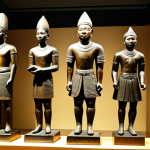
From the famed lion of King Glele to the warriors and historical scenes meticulously cast in copper alloy, each piece whispers tales of power, prestige, and the artistic prowess of the Fon people.
I’ve spent hours examining the incredible detail, imagining the skilled artisans who transformed molten metal into such enduring masterpieces. The sheer volume and quality of these works reflect a sophisticated artistic tradition that rivaled any in the world, a testament to the wealth and cultural richness of the Dahomey Kingdom.
What struck me most was how these bronzes served not only as royal regalia but also as propaganda, embodying the strength and divine right of the rulers.
It’s an overwhelming sense of connection to a grand past, a feeling that these objects still pulse with the energy of kings and queens.
1. The Lost Wax Legacy: Crafting Royal Narratives
The technique behind the Abomey bronzes is as captivating as the finished products themselves: the ancient “lost wax” (cire perdue) casting method. I’ve heard local historians describe the painstaking process: first, a wax model is meticulously sculpted, capturing every minute detail of the intended design.
This wax model is then encased in clay, fired to melt out the wax (hence “lost wax”), leaving a hollow mold into which molten bronze is poured. Once cooled, the clay mold is painstakingly broken away to reveal the finished bronze.
From my understanding, this method allows for incredible intricacy and unique, one-of-a-kind creations, making each royal bronze an individual masterpiece.
It’s a process demanding immense skill, precision, and artistic vision, passed down through generations of specialized artisan families. The artisans often worked directly for the royal court, their creations serving as visual chronicles of royal lineages, military victories, and significant historical events, ensuring the kingdom’s legacy was cast in an unyielding form.
2. Symbolic Power: Animal Motifs and Royal Icons
One of the most striking aspects of the Dahomey bronzes is the pervasive use of animal symbolism, each animal meticulously chosen to represent a specific king or a core value of the kingdom.
I remember vividly seeing the famous depiction of King Glele as a lion, symbolizing strength and courage, or King Gezo often represented by a bird or a buffalo, signifying cunning and perseverance.
These weren’t arbitrary choices; they were carefully selected emblems, understood by the populace, reinforcing the monarch’s divine right and personal attributes.
Beyond individual kings, animals like snakes, crocodiles, and birds were incorporated to symbolize power, fertility, or spiritual protection. These motifs transcend mere decoration; they are visual shorthand for complex narratives and political ideologies.
From a personal perspective, understanding these symbols deepened my appreciation for the bronze works, transforming them from mere artifacts into living embodiments of a powerful historical narrative, each animal a key unlocking a piece of the kingdom’s story.
Threads of Heritage: The Art of Appliqué and Textiles
The vibrant world of Beninese textiles, particularly the Fon people’s appliqué banners, is a feast for the eyes and a profound journey into storytelling.
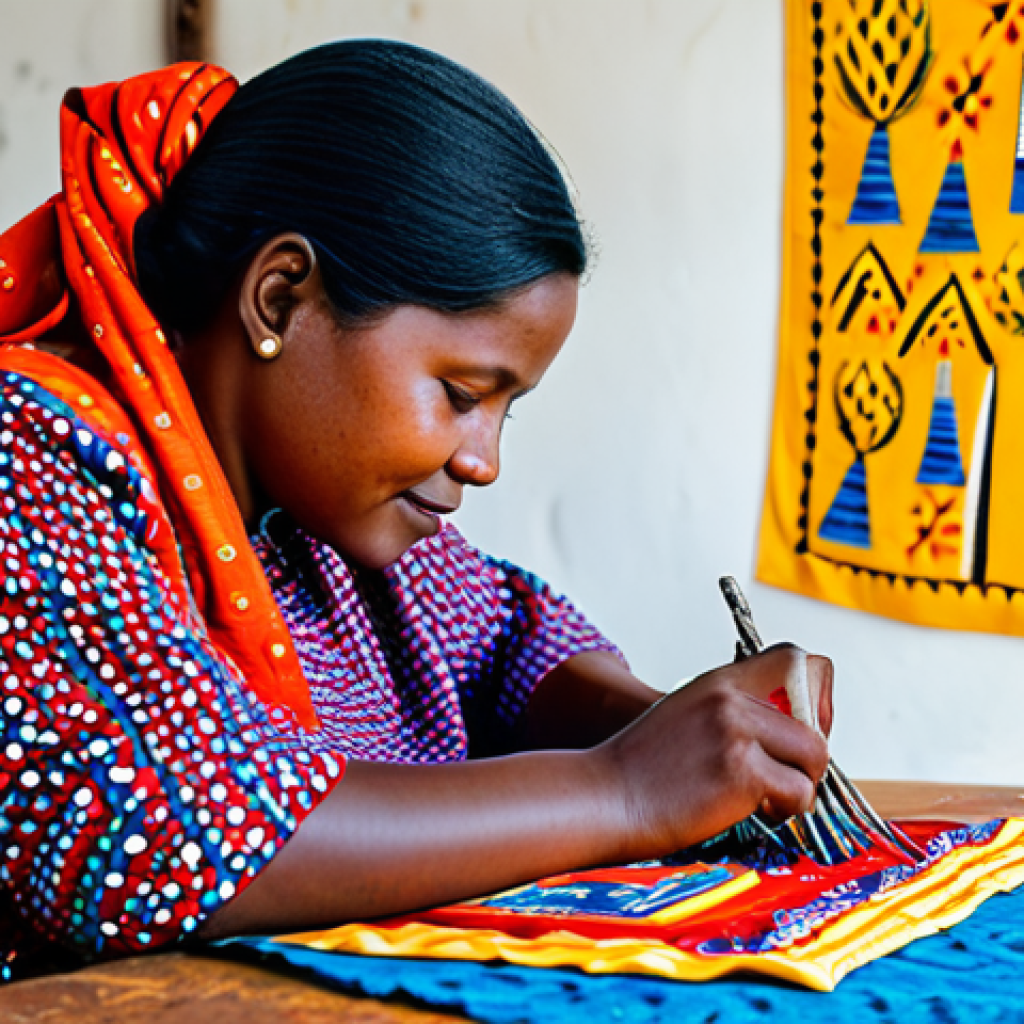
I’ve had the immense pleasure of visiting workshops where these masterpieces are created, and the sheer dedication and precision involved are truly astounding.
Imagine large panels of hand-dyed fabric, typically indigo or rich earthy tones, upon which smaller, vibrantly colored pieces of cloth are meticulously cut and stitched to form intricate scenes.
These aren’t just pretty pictures; they are historical tapestries, recounting myths, celebrating royal achievements, or depicting everyday life with a striking, almost comic-book-like clarity.
What always captivated me was how these textiles were not just decorative but highly functional, used in ceremonies, as royal standards, or even as visual aids for oral historians.
From my own experience, holding one of these banners, feeling the texture of the different cloths and seeing the thousands of tiny stitches, you can truly appreciate the hours, weeks, and even months of labor that go into each piece.
It’s a testament to the enduring power of narrative conveyed through the language of fabric.
1. Stitching Narratives: Royal Banners and Everyday Stories
The art of appliqué in Benin is primarily associated with the Fon people, particularly the royal court of Dahomey. These iconic banners served multiple purposes: they recorded historical events, depicted proverbs, identified royal regiments, and even communicated messages.
I recall seeing one particular banner that depicted a king surrounded by symbols of his reign, a literal textile biography. Beyond the grand royal narratives, appliqué also depicts everyday life, folklore, and spiritual beliefs, making them accessible chronicles for everyone.
The beauty lies in their deceptively simple aesthetic, which belies the complexity of the stories they tell and the skill required to create them. Each stitched figure, whether a warrior, an animal, or a symbolic motif, is a carefully chosen character in a larger visual drama, ensuring that historical and cultural knowledge is passed down through a tangible, artistic medium that everyone can “read.”
2. From Cotton to Canvas: The Creation Process and Market Trends
The journey from raw cotton to a magnificent appliqué banner is a labor of love and traditional skill. Artisans typically begin by sketching their design on a large base cloth.
Then, various colored fabrics are cut precisely to fit segments of the design. The magic happens in the stitching, often done by hand with incredibly fine, almost invisible stitches, creating a smooth, unified surface.
I’ve seen how some contemporary artisans are now experimenting with new color palettes and even incorporating modern themes, while still honoring the traditional techniques.
This blend of old and new is crucial for the art form’s survival and relevance in a global market. There’s a growing international demand for authentic, handmade textiles, and Beninese appliqué is perfectly positioned to meet this.
Seeing how local cooperatives are leveraging online platforms to sell directly to consumers worldwide is truly inspiring; it’s a direct connection between the hands that create and the eyes that appreciate, bypassing traditional intermediaries.
| Art Form | Primary Materials | Cultural Significance | Modern Trends & Challenges |
|---|---|---|---|
| Vodun Fetishes | Wood, clay, iron, shells, natural offerings (blood, palm oil) | Spiritual conduits, protection, healing, ancestral connection | Preservation of traditional knowledge, balancing sacredness with commercialization |
| Abomey Bronzes | Copper alloys (bronze, brass) | Royal history, power, propaganda, historical documentation | Repatriation efforts, contemporary reinterpretations by modern sculptors |
| Appliqué & Textiles | Cotton, dyes, various fabrics | Storytelling, historical chronicles, ceremonial use, everyday expression | Online sales, innovative designs, maintaining traditional stitching techniques |
The Rhythmic Pulse of Sculptural Storytelling: Masks and Figurines
Whenever I think of Beninese art, my mind inevitably drifts to the profound expressiveness of its masks and smaller figurines. These aren’t just static objects; they’re animated storytellers, central to vibrant ceremonies, dances, and rituals that breathe life into the country’s cultural fabric.
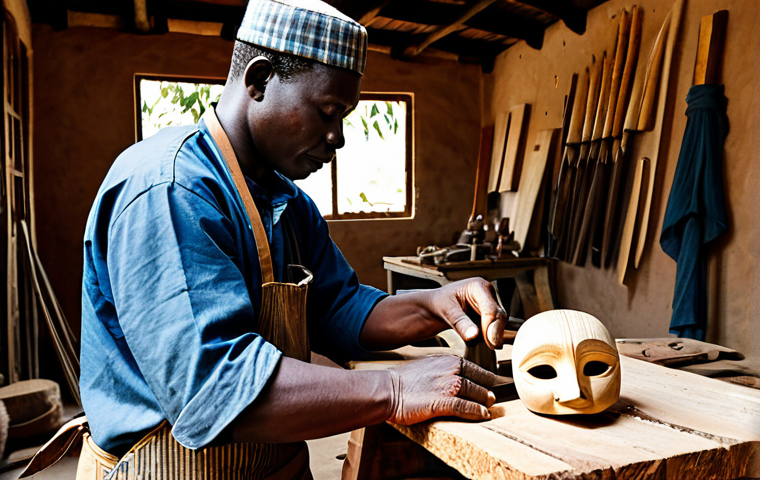
I’ve personally felt the raw energy emanating from these pieces, even when they’re not in use. The craftsmanship is often astonishing, with artisans carving intricate details into wood, then embellishing them with pigments, beads, and sometimes even metal or cloth.
What truly sets them apart, for me, is their ability to convey a vast spectrum of human experience and spiritual belief through stylized forms. Some are serene, others fierce, many are abstract, yet all possess an undeniable presence.
They serve as tangible links to the spiritual world, enabling dancers and performers to embody deities or ancestors, bridging the gap between the mundane and the sacred.
It’s an art form where form and function are inextricably linked, each curve and line designed not just for beauty but for purpose, to evoke emotion, to connect, to transform.
1. Embodied Spirits: Masks in Ritual and Performance
Beninese masks are far more than decorative items; they are essential components of religious ceremonies, initiation rites, and communal celebrations.
I’ve learned that a mask only truly comes alive when it is worn by a dancer, accompanied by specific music, chants, and movements. During such performances, the wearer is believed to transcend their individual identity, becoming a vessel for the spirit or ancestor that the mask represents.
This transformation is a powerful spectacle, maintaining social order, recounting ancestral histories, and mediating with the spiritual realm. Different ethnic groups across Benin, like the Yoruba, make and use masks in distinctive ways, each with unique stylistic features and ritualistic purposes.
For instance, the Gelede masks of the Yoruba are renowned for their elaborate headpieces and are used in masquerades that honor mothers and female power, often with satirical elements that address social issues.
It’s a complex, living tradition, where art, spirituality, and community converge in a dynamic, unforgettable display.
2. Miniature Worlds: Figurines as Messengers and Teachers
Beyond the grand masks, Beninese art also thrives in its smaller, often more intimate figurines. These pieces, crafted from wood, clay, or sometimes metal, serve a myriad of purposes: they can be cult objects, divination tools, protective charms, or even toys that subtly teach children about cultural values.
I’ve seen small, unassuming figures that, upon closer inspection, reveal incredible detail and symbolic meaning. Many are used in personal shrines or as household guardians.
For instance, some Fon figurines might represent a family ancestor, serving as a focal point for remembrance and veneration, while others are used by diviners to communicate with spirits and offer guidance.
Their smaller scale doesn’t diminish their significance; in fact, it often makes them more pervasive and integrated into daily life, acting as silent messengers and constant reminders of the spiritual dimensions that permeate everyday existence in Benin.
Each one is a miniature world, packed with cultural significance and artistic expression.
The Living Workshop: Modern Artisans Preserving Ancient Skills
It’s truly inspiring to witness how contemporary Beninese artisans are not just preserving the ancient crafts but actively evolving them, ensuring that the legacy of their ancestors continues to thrive in a rapidly changing world.
I’ve had the privilege of meeting some of these dedicated individuals, working in modest studios, their hands stained with dye or scarred by tools, yet their eyes alight with passion.
They are the guardians of knowledge passed down through generations, often within specific families or guilds. From the intricate beadwork of the Yoruba to the vibrant tapestry weaving of the Somba, each piece crafted today carries the weight of history and the promise of innovation.
What truly struck me was the balance they strike: respecting traditional forms and techniques while also subtly infusing their own creativity and adapting to modern market demands.
It’s a testament to resilience and ingenuity, ensuring that the stories and skills of Benin continue to be told, not just in museums, but in living, breathing workshops.
1. Apprenticeship and Inheritance: Passing Down the Craft
The transmission of artistic knowledge in Benin is deeply rooted in an apprenticeship system, often within families. I’ve observed young apprentices, sometimes as young as children, starting by grinding pigments or preparing materials, slowly progressing to more complex tasks under the watchful eye of a master artisan, who is often a parent or an elder relative.
This hands-on, experiential learning is crucial; it’s not just about mastering a skill, but about inheriting a cultural legacy, understanding the spiritual significance of each piece, and respecting the lineage of creators.
This intimate form of education ensures that techniques, motifs, and the deeper meanings behind the art are preserved with incredible fidelity, safeguarding centuries of accumulated wisdom.
It’s a truly beautiful example of intergenerational learning, where tradition is not merely taught but lived and breathed.
2. Innovating Tradition: Crafting for a Global Audience
While deeply respecting tradition, many Beninese artisans are also keen innovators, finding new ways to make their ancient crafts relevant in a globalized world.
I’ve seen stunning examples of traditional motifs applied to contemporary fashion accessories, or smaller, more portable versions of traditional sculptures designed for international collectors.
The advent of digital platforms has been a game-changer; artisans are now able to directly market their work online, reaching buyers far beyond local markets.
This direct connection empowers them, allowing for better prices and more creative freedom. There’s a conscious effort to balance authenticity with accessibility, ensuring that the essence of Beninese art remains intact while finding new expressions and new homes across the world.
This adaptive spirit is what ensures the longevity and continued vitality of these profound artistic traditions.
Beyond Borders: Benin’s Art on the World Stage
The global appreciation for Beninese art has been steadily growing, fueled by a renewed interest in authentic cultural heritage and the increasing visibility of African art on international platforms.
As someone who has watched this space evolve, it’s incredibly gratifying to see these masterpieces, once perhaps overlooked by mainstream art institutions, now taking their rightful place in major museums and private collections worldwide.
This isn’t just about aesthetic appeal; it’s about recognizing the profound historical, spiritual, and artistic contributions of Beninese civilizations.
From the monumental bronzes returning to their homeland through repatriation efforts to the vibrant contemporary art scene drawing inspiration from ancient forms, Benin’s artistic legacy is finally receiving the global recognition it so richly deserves.
It’s a powerful narrative of cultural resilience and artistic excellence, resonating deeply with audiences who seek connection to genuine, hand-crafted beauty and profound cultural stories.
1. Repatriation and Reclamation: A New Chapter
One of the most significant developments in recent years has been the successful repatriation of stolen Beninese artifacts, particularly the Dahomey bronzes, from European museums back to their rightful home.
I’ve followed this movement closely, and it feels like a vital step in correcting historical injustices and reclaiming cultural identity. These objects are not merely historical curiosities; they are deeply significant cultural and spiritual assets, vital to the collective memory and ongoing practices of the Beninese people.
Their return allows for a richer, more complete understanding of their context within Benin itself, fostering a sense of pride and renewed connection to heritage.
This movement signals a powerful shift in the global art world, prioritizing cultural equity and the self-determination of nations over colonial legacies of appropriation.
It’s a truly transformative moment, marking a new chapter where these priceless treasures can educate and inspire generations within their homeland.
2. Cultural Exchange and Contemporary Dialogues
The increasing global presence of Beninese art is also fostering exciting cultural exchanges and contemporary dialogues. International exhibitions, collaborations between Beninese and foreign artists, and academic studies are creating new pathways for appreciation and understanding.
I’ve seen how contemporary Beninese artists are drawing upon traditional aesthetics and themes, reinterpreting them to address modern issues like globalization, identity, and environmental concerns.
This fusion of ancient wisdom with contemporary perspectives creates a dynamic and compelling artistic landscape. It’s a two-way street: the world learns from Benin’s rich heritage, and Beninese artists gain new audiences and platforms.
This continuous dialogue ensures that the artistic legacy remains vibrant and relevant, contributing not only to global aesthetics but also to broader conversations about humanity’s shared cultural heritage and its future.
Wrapping Up Our Artistic Journey
As I reflect on the vibrant tapestry of Beninese art, from the profound spiritual weight of Vodun fetishes to the regal narratives embedded in Abomey bronzes and the dynamic stories stitched into appliqué textiles, it’s clear that this is more than just an aesthetic experience. It’s a living, breathing heritage, deeply intertwined with the daily lives, beliefs, and history of the Beninese people. My personal encounters with these incredible works and the artisans who create them have left an indelible mark, revealing an art form that continually evolves while fiercely honoring its ancient roots. It’s a powerful reminder of how art can truly bridge worlds – past and present, spiritual and material, local and global.
Useful Information for Art Enthusiasts
1. Visit Local Markets & Workshops: To truly experience Beninese art, don’t just stick to museums. Explore local markets like Dantokpa in Cotonou or artisan workshops in Abomey and Ouidah. You’ll often find artisans creating pieces right before your eyes.
2. Support Ethical Art: When purchasing art, especially traditional pieces, prioritize ethical sourcing. Look for fair trade initiatives or buy directly from artisans to ensure your purchase directly benefits the local community and sustains the craft.
3. Engage with Local Guides: To understand the profound spiritual and historical significance of many art forms, hiring a local guide is invaluable. They can offer insights into Vodun practices, royal histories, and the meaning behind specific motifs that you might otherwise miss.
4. Explore the Royal Palaces of Abomey: This UNESCO World Heritage site is a must-see for anyone interested in the Dahomey Kingdom’s art and history, particularly the magnificent bronzes and appliqué work.
5. Attend Cultural Festivals: If your visit aligns, try to experience a local festival (like the Vodun Festival in January). This is where many of the masks, costumes, and ceremonial objects truly come alive in their intended context, offering an unforgettable immersive experience.
Key Takeaways
Benin’s art is a dynamic fusion of history, spirituality, and daily life. From the potent Vodun fetishes embodying deep spiritual connections to the historically rich Abomey bronzes and the narrative brilliance of appliqué textiles, each art form tells a vital story. This living heritage, continually sustained by skilled artisans and a vibrant apprenticeship system, is increasingly gaining global recognition through initiatives like repatriation and contemporary dialogues, proving its enduring relevance and profound cultural significance.
Frequently Asked Questions (FAQ) 📖
Q: What is it about Benin’s traditional art that gives it such a distinct and powerful voice compared to other
A: frican cultural expressions? A1: Oh, that’s a fantastic question, and one I’ve spent a lot of time pondering! What truly sets Beninese art apart, for me, is its incredibly deep, almost visceral connection to its history and spiritual practices.
Unlike some art forms that might be more broadly decorative, here, almost every piece – be it a bronze cast from the ancient Kingdom of Dahomey, a meticulously stitched Fon appliqué banner, or a carved wooden fetish – feels like it’s holding an entire narrative, a piece of an ancestor’s soul, or the power of a deity.
I remember standing before some of the Abomey bronzes, and it wasn’t just looking at metal; it was like time melted away, and I could almost hear the royal decrees and the whispers of past kings.
The appliqué banners, too, aren’t just pretty cloths; they’re vivid historical scrolls, each symbol telling a story of war, triumph, or daily life. It’s this profound storytelling and the pervasive spiritual energy, deeply rooted in Vodoun traditions, that makes it feel less like art you simply admire, and more like history you feel.
It’s remarkably, intensely personal and communal all at once.
Q: How does the rich spiritual heritage of Benin, particularly Vodoun, manifest itself so uniquely within the traditional arts?
A: It’s absolutely impossible to talk about Beninese art without diving headfirst into its spiritual core, especially Vodoun. For me, it’s not just an influence; it is the very bloodstream of the art.
These aren’t just objects created for aesthetic pleasure; they are instruments, conduits, and representations of the divine and ancestral world. You see it everywhere: the intricate detailing on an ase staff, designed to channel spiritual power; the very specific iconography on a bocio fetish, crafted to offer protection or influence events.
I’ve witnessed how these pieces are not just made, but ritually activated, given life and purpose through ceremonies. It makes you realize that the art here isn’t something separate from daily life or belief; it’s interwoven, essential.
It’s a constant, tangible dialogue with the unseen forces that guide their world. You don’t just observe a piece; you sense its function, its history, its purpose within a living spiritual system.
It’s truly transformative to experience, making you question your own definitions of “art” and “religion.”
Q: In our modern, fast-paced world, what are the biggest challenges and most exciting opportunities facing the preservation and global recognition of Benin’s traditional arts?
A: This is a really crucial point, and honestly, one that gives me a lot of hope. The challenges are real, no doubt. You have the risk of traditional skills fading, especially when younger generations are drawn to more ‘modern’ paths, and then there’s the pressure from mass-produced goods.
Economic sustainability for artisans is a constant struggle. But on the flip side, the opportunities are just incredible! I’ve seen firsthand how local artisans are leveraging social media and online platforms, literally selling a beautifully carved mask or an intricate batik straight from Cotonou to a collector in London or New York.
There’s a burgeoning global appreciation for authentic, handcrafted items, and people are increasingly valuing the story, the heritage, and the soul poured into each piece, far more than something churned out in a factory.
Plus, there’s a growing international interest in repatriation and cultural tourism, which brings vital attention and resources back to Benin. It feels like these timeless creations aren’t just surviving; they’re truly finding new, vibrant ways to thrive and inspire on a global stage, bridging their profound past with an incredibly dynamic future.
It’s genuinely thrilling to watch.
📚 References
Wikipedia Encyclopedia
구글 검색 결과
구글 검색 결과
구글 검색 결과
구글 검색 결과