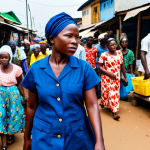
So, you’re thinking about studying in Benin? Let me tell you, it’s an experience. It’s definitely not your typical study abroad destination, which is precisely what makes it so incredibly special.
Imagine trading in those familiar campus coffee shops for bustling markets filled with vibrant colors and the sounds of West African life. From the stunning beaches along the Atlantic coast to the rich cultural traditions, Benin offers a unique blend of adventure and academic exploration.
Let’s get into the nitty-gritty details below.
## Embracing the Benin Experience: Beyond the Tourist TrailStudying abroad is about more than just academics; it’s about immersing yourself in a new culture, challenging your perspectives, and forging unforgettable memories.
Benin, a vibrant West African nation, offers exactly that – a chance to step outside your comfort zone and experience a world far removed from the familiar.
Forget the well-trodden paths of Europe or the predictable comforts of Australia; Benin is where you go to truly grow.
Navigating the Visa Process: A Practical Guide
The first hurdle is often the visa. Don’t be intimidated! Start by checking the Benin embassy or consulate website in your home country.
They’ll have the most up-to-date information on requirements, which typically include:* A valid passport with at least six months of validity remaining.
* A completed visa application form. * Passport-sized photos. * An acceptance letter from a recognized educational institution in Benin.
* Proof of sufficient funds to cover your living expenses. * A yellow fever vaccination certificate (this is crucial!). It’s best to apply well in advance of your intended travel date.
Give yourself at least a couple of months to avoid any last-minute stress.
Finding Your Feet: Accommodation and Orientation
Once you’ve got your visa sorted, it’s time to think about where you’ll be living. Many universities in Benin offer on-campus housing, which can be a great option for new students.
This provides a built-in community and makes it easier to acclimatize to your new surroundings. If you prefer more independence, you can also look for off-campus apartments or shared houses.
Websites and local Facebook groups are good places to start your search. Most universities also offer orientation programs for international students.
Take advantage of these! They’re designed to help you navigate everything from registering for classes to opening a bank account. You’ll also get a chance to meet other international students, which can be a lifeline in those first few weeks.
Daily Life in Benin: A Rich Tapestry of Culture
Life in Benin is a sensory explosion. Imagine waking up to the sounds of roosters crowing and motorbikes whizzing past, the smell of freshly baked bread wafting from the local bakery, and the sight of women in colorful dresses heading to the market.
It’s a far cry from the sterile environments of many Western cities, but it’s a richness that you’ll quickly come to appreciate.
Mastering the Art of Bargaining
Markets are the heart of Benin’s economy and social life. From the sprawling Dantokpa Market in Cotonou (one of the largest in West Africa) to the smaller neighborhood stalls, you can find everything from fresh produce to clothing to household goods.
Bargaining is the norm, so don’t be afraid to haggle for a better price. It’s all part of the fun!
Understanding Local Customs and Etiquette
Benin is a culturally conservative country, so it’s important to be aware of local customs and etiquette. Dress modestly, especially when visiting religious sites.
Always greet people with a smile and a handshake. And be prepared to be patient – things often move at a slower pace than you might be used to.
Academic Life: A Different Approach to Learning
The academic system in Benin may differ from what you’re accustomed to. Class sizes can be larger, and teaching methods may be more traditional. However, this doesn’t mean that the quality of education is any less.
In fact, you may find that the focus on rote learning and memorization actually helps you to retain information more effectively.
Choosing Your Courses Wisely
Work closely with your academic advisor to choose courses that align with your interests and career goals. Don’t be afraid to step outside your comfort zone and explore new subjects.
You might discover a hidden passion!
Embracing the Local Language
While French is the official language of Benin, many people also speak local languages such as Fon and Yoruba. Learning a few basic phrases in one of these languages can go a long way in helping you to connect with locals and gain a deeper understanding of the culture.
Exploring Benin: Beyond the Classroom
Don’t spend all your time buried in books! Benin has so much to offer, from stunning natural landscapes to fascinating historical sites. Make sure to take some time to explore the country and discover its hidden gems.
Hitting the Beaches
Benin boasts a beautiful coastline along the Atlantic Ocean. Grand Popo is a popular spot for surfing and relaxation, while Ouidah is home to some of the most important historical sites in the country.
Visiting Historical Sites
Ouidah, a UNESCO World Heritage Site, was once a major hub for the transatlantic slave trade. Today, it’s a poignant reminder of this dark chapter in history.
Visit the Sacred Forest, the Temple of Pythons, and the Point of No Return to learn more about Benin’s past. Ganvie, a lake village also known as the “Venice of Africa” offers a unique glimpse into the ingenious adaptation of local communities to their environment.
Staying Safe and Healthy: Practical Considerations
Safety and health are always important considerations when studying abroad. While Benin is generally a safe country, it’s important to be aware of your surroundings and take precautions to protect yourself.
Health Precautions: Staying Well in Benin
Consult your doctor about necessary vaccinations and malaria prevention. Drink bottled water and be mindful of food safety.
General Safety Tips for Benin
Avoid walking alone at night, especially in poorly lit areas. Keep your valuables out of sight and be wary of scams. It’s also a good idea to learn a few basic phrases in French so that you can communicate with locals in case of an emergency.
Budgeting for Benin: Making Your Money Stretch
Benin is a relatively affordable country, but it’s still important to budget carefully. Accommodation, food, and transportation are the main expenses.
Here’s a table outlining potential costs:
| Expense | Estimated Monthly Cost (USD) |
|---|---|
| Accommodation (on-campus) | $100 – $200 |
| Accommodation (off-campus) | $150 – $300 |
| Food | $200 – $300 |
| Transportation | $50 – $100 |
| Personal Expenses | $100 – $200 |
| Total | $450 – $900 |
Remember, these are just estimates. Your actual expenses may vary depending on your lifestyle and spending habits.
Connecting with Others: Building a Support Network
Studying abroad can be a challenging but incredibly rewarding experience. Building a strong support network is essential for navigating the ups and downs of life in a new country.
Joining Clubs and Organizations
Get involved in extracurricular activities. Join a student organization, volunteer for a local charity, or take a dance class.
Staying in Touch with Home
Don’t forget to stay in touch with your friends and family back home. Schedule regular video calls, share your experiences on social media, and send them postcards from Benin.
Reflecting on the Experience: The Value of Studying Abroad
Studying in Benin isn’t just about earning a degree; it’s about personal growth, cultural understanding, and expanding your horizons. It’s an experience that will stay with you long after you’ve returned home.
The Skills You’ll Develop
Adaptability, cross-cultural communication, problem-solving – these are just a few of the skills you’ll hone during your time in Benin. These are skills that will be invaluable in your future career and in life in general.
A Changed Perspective
You’ll never look at the world the same way again. Living in Benin will challenge your assumptions, broaden your perspectives, and help you to appreciate the diversity of human experience.
Lasting Memories
The friends you make, the adventures you have, the lessons you learn – these are the memories that will shape you into the person you become. Studying in Benin is an investment in yourself, an opportunity to grow, and a chance to create a life that is truly extraordinary.
Studying abroad is more than just ticking off destinations on a map; it’s about personal transformation. Benin, with its vibrant culture and warm people, offers an unparalleled opportunity for growth.
It’s a chance to challenge your preconceptions, embrace the unknown, and create memories that will last a lifetime. Trust me, trading your usual vacation for a semester or year in Benin could be the best decision you ever make.
I still remember the taste of *akassa* from a street vendor in Porto-Novo – flavors you just can’t replicate anywhere else.
Navigating the Visa Process: A Practical Guide
The first hurdle is often the visa. Don’t be intimidated! Start by checking the Benin embassy or consulate website in your home country. They’ll have the most up-to-date information on requirements, which typically include:
- A valid passport with at least six months of validity remaining.
- A completed visa application form.
- Passport-sized photos.
- An acceptance letter from a recognized educational institution in Benin.
- Proof of sufficient funds to cover your living expenses.
- A yellow fever vaccination certificate (this is crucial!).
It’s best to apply well in advance of your intended travel date. Give yourself at least a couple of months to avoid any last-minute stress.
Finding Your Feet: Accommodation and Orientation
Once you’ve got your visa sorted, it’s time to think about where you’ll be living. Many universities in Benin offer on-campus housing, which can be a great option for new students. This provides a built-in community and makes it easier to acclimatize to your new surroundings. If you prefer more independence, you can also look for off-campus apartments or shared houses. Websites and local Facebook groups are good places to start your search.
Most universities also offer orientation programs for international students. Take advantage of these! They’re designed to help you navigate everything from registering for classes to opening a bank account. You’ll also get a chance to meet other international students, which can be a lifeline in those first few weeks.
Daily Life in Benin: A Rich Tapestry of Culture
Life in Benin is a sensory explosion. Imagine waking up to the sounds of roosters crowing and motorbikes whizzing past, the smell of freshly baked bread wafting from the local bakery, and the sight of women in colorful dresses heading to the market. It’s a far cry from the sterile environments of many Western cities, but it’s a richness that you’ll quickly come to appreciate. I remember being initially overwhelmed by the sheer energy of Cotonou, but it soon became something I craved.
Mastering the Art of Bargaining
Markets are the heart of Benin’s economy and social life. From the sprawling Dantokpa Market in Cotonou (one of the largest in West Africa) to the smaller neighborhood stalls, you can find everything from fresh produce to clothing to household goods. Bargaining is the norm, so don’t be afraid to haggle for a better price. It’s all part of the fun! Just remember to be respectful and keep a smile on your face.
Understanding Local Customs and Etiquette
Benin is a culturally conservative country, so it’s important to be aware of local customs and etiquette. Dress modestly, especially when visiting religious sites. Always greet people with a smile and a handshake. And be prepared to be patient – things often move at a slower pace than you might be used to. I once accidentally wore shorts to a village meeting and immediately felt the disapproving glances – lesson learned!
Academic Life: A Different Approach to Learning
The academic system in Benin may differ from what you’re accustomed to. Class sizes can be larger, and teaching methods may be more traditional. However, this doesn’t mean that the quality of education is any less. In fact, you may find that the focus on rote learning and memorization actually helps you to retain information more effectively. I actually found myself benefiting from the more structured approach.
Choosing Your Courses Wisely
Work closely with your academic advisor to choose courses that align with your interests and career goals. Don’t be afraid to step outside your comfort zone and explore new subjects. You might discover a hidden passion!
Embracing the Local Language
While French is the official language of Benin, many people also speak local languages such as Fon and Yoruba. Learning a few basic phrases in one of these languages can go a long way in helping you to connect with locals and gain a deeper understanding of the culture. Even just saying “Bonjour” and “Merci” in French will make a big difference.
Exploring Benin: Beyond the Classroom
Don’t spend all your time buried in books! Benin has so much to offer, from stunning natural landscapes to fascinating historical sites. Make sure to take some time to explore the country and discover its hidden gems.
Hitting the Beaches
Benin boasts a beautiful coastline along the Atlantic Ocean. Grand Popo is a popular spot for surfing and relaxation, while Ouidah is home to some of the most important historical sites in the country. I spent many weekends soaking up the sun in Grand Popo – pure bliss!
Visiting Historical Sites
Ouidah, a UNESCO World Heritage Site, was once a major hub for the transatlantic slave trade. Today, it’s a poignant reminder of this dark chapter in history. Visit the Sacred Forest, the Temple of Pythons, and the Point of No Return to learn more about Benin’s past. Ganvie, a lake village also known as the “Venice of Africa” offers a unique glimpse into the ingenious adaptation of local communities to their environment. Walking through Ouidah was a profoundly moving experience.
Staying Safe and Healthy: Practical Considerations
Safety and health are always important considerations when studying abroad. While Benin is generally a safe country, it’s important to be aware of your surroundings and take precautions to protect yourself.
Health Precautions: Staying Well in Benin
Consult your doctor about necessary vaccinations and malaria prevention. Drink bottled water and be mindful of food safety.
General Safety Tips for Benin
Avoid walking alone at night, especially in poorly lit areas. Keep your valuables out of sight and be wary of scams. It’s also a good idea to learn a few basic phrases in French so that you can communicate with locals in case of an emergency.
Budgeting for Benin: Making Your Money Stretch
Benin is a relatively affordable country, but it’s still important to budget carefully. Accommodation, food, and transportation are the main expenses.
Here’s a table outlining potential costs:
| Expense | Estimated Monthly Cost (USD) |
|---|---|
| Accommodation (on-campus) | $100 – $200 |
| Accommodation (off-campus) | $150 – $300 |
| Food | $200 – $300 |
| Transportation | $50 – $100 |
| Personal Expenses | $100 – $200 |
| Total | $450 – $900 |
Remember, these are just estimates. Your actual expenses may vary depending on your lifestyle and spending habits.
Connecting with Others: Building a Support Network
Studying abroad can be a challenging but incredibly rewarding experience. Building a strong support network is essential for navigating the ups and downs of life in a new country.
Joining Clubs and Organizations
Get involved in extracurricular activities. Join a student organization, volunteer for a local charity, or take a dance class. It’s a great way to meet new people and immerse yourself in the culture. I joined a drumming circle, which was an incredible experience!
Staying in Touch with Home
Don’t forget to stay in touch with your friends and family back home. Schedule regular video calls, share your experiences on social media, and send them postcards from Benin. It’s important to maintain those connections while you’re exploring a new world.
Reflecting on the Experience: The Value of Studying Abroad
Studying in Benin isn’t just about earning a degree; it’s about personal growth, cultural understanding, and expanding your horizons. It’s an experience that will stay with you long after you’ve returned home.
The Skills You’ll Develop
Adaptability, cross-cultural communication, problem-solving – these are just a few of the skills you’ll hone during your time in Benin. These are skills that will be invaluable in your future career and in life in general. I definitely became a more resourceful and independent person.
A Changed Perspective
You’ll never look at the world the same way again. Living in Benin will challenge your assumptions, broaden your perspectives, and help you to appreciate the diversity of human experience. I gained a new appreciation for the simple things in life.
Lasting Memories
The friends you make, the adventures you have, the lessons you learn – these are the memories that will shape you into the person you become. Studying in Benin is an investment in yourself, an opportunity to grow, and a chance to create a life that is truly extraordinary.
In Conclusion
So, if you’re looking for a study abroad experience that will challenge you, inspire you, and change you for the better, look no further than Benin. It’s a journey that will leave you with memories and friendships that will last a lifetime. Don’t be afraid to step outside your comfort zone and embrace the adventure!
Good to Know Information
1. Always carry a copy of your passport and visa separately from the originals.
2. Download a translation app on your phone to help with communication.
3. Familiarize yourself with the local emergency numbers (police, fire, ambulance).
4. Learn a few basic phrases in French or a local language like Fon or Yoruba to enhance your interactions.
5. Be aware of your surroundings and avoid walking alone at night, especially in poorly lit areas.
Important Points to Remember
The visa process requires patience and attention to detail. Start early and double-check all requirements.
On-campus housing is a great way to ease into life in Benin and build a community.
Be respectful of local customs and traditions, including dress codes and greetings.
Prioritize your health by consulting your doctor about vaccinations and malaria prevention.
Budget wisely and be mindful of your spending habits.
Frequently Asked Questions (FAQ) 📖
Q: What kind of academic programs are actually worth checking out in Benin?
A: Honestly, you’ll find a good range of options, but where Benin really shines is in fields like African studies, anthropology, and development studies.
I personally know someone who did a deep dive into Vodun religious practices while there, and the hands-on experience they got was incredible – something you just can’t replicate from a textbook.
Plus, if you’re interested in international relations or French language studies, Benin being a Francophone country provides amazing immersion opportunities.
Do your research on specific university partnerships with your home institution; that’s usually the easiest way to go.
Q: Okay, so it sounds amazing, but is it actually safe there? I mean, I’ve heard some things…
A: That’s a fair question. Safety is always a concern when you’re traveling abroad, right? I won’t sugarcoat it: Benin, like any other place, has its areas where you need to be extra vigilant.
Petty theft can happen, especially in crowded markets, so keep an eye on your belongings. The key is to be aware of your surroundings, avoid walking alone at night, and listen to advice from locals.
I found that connecting with other students and having a local “buddy” really helped me feel more secure. Plus, stick to reputable transportation options, and definitely register with your embassy.
It’s all about being smart and prepared.
Q: What’s the day-to-day life actually like? I’m picturing dirt roads and no internet…
A: Haha, not quite! While Benin definitely has its rural areas, cities like Porto-Novo and Cotonou are surprisingly modern. You’ll find plenty of internet cafes, decent cell service, and even some familiar restaurant chains.
Day-to-day life is a mix of academic work, exploring the local culture, and dealing with the occasional bureaucratic hurdle. The food is delicious – think lots of flavorful stews, grilled fish, and exotic fruits.
One of my fondest memories is haggling for souvenirs in the Dantokpa Market in Cotonou – total sensory overload, but an unforgettable experience! Be prepared to adapt to a slower pace of life, learn some basic French phrases (trust me, it helps!), and embrace the unexpected.
It’s not always easy, but it’s an adventure that will change you.
📚 References
Wikipedia Encyclopedia
구글 검색 결과