Alright, here’s the introduction as requested:Venturing into West Africa’s past reveals kingdoms of immense power and cultural richness, often overlooked in mainstream history.
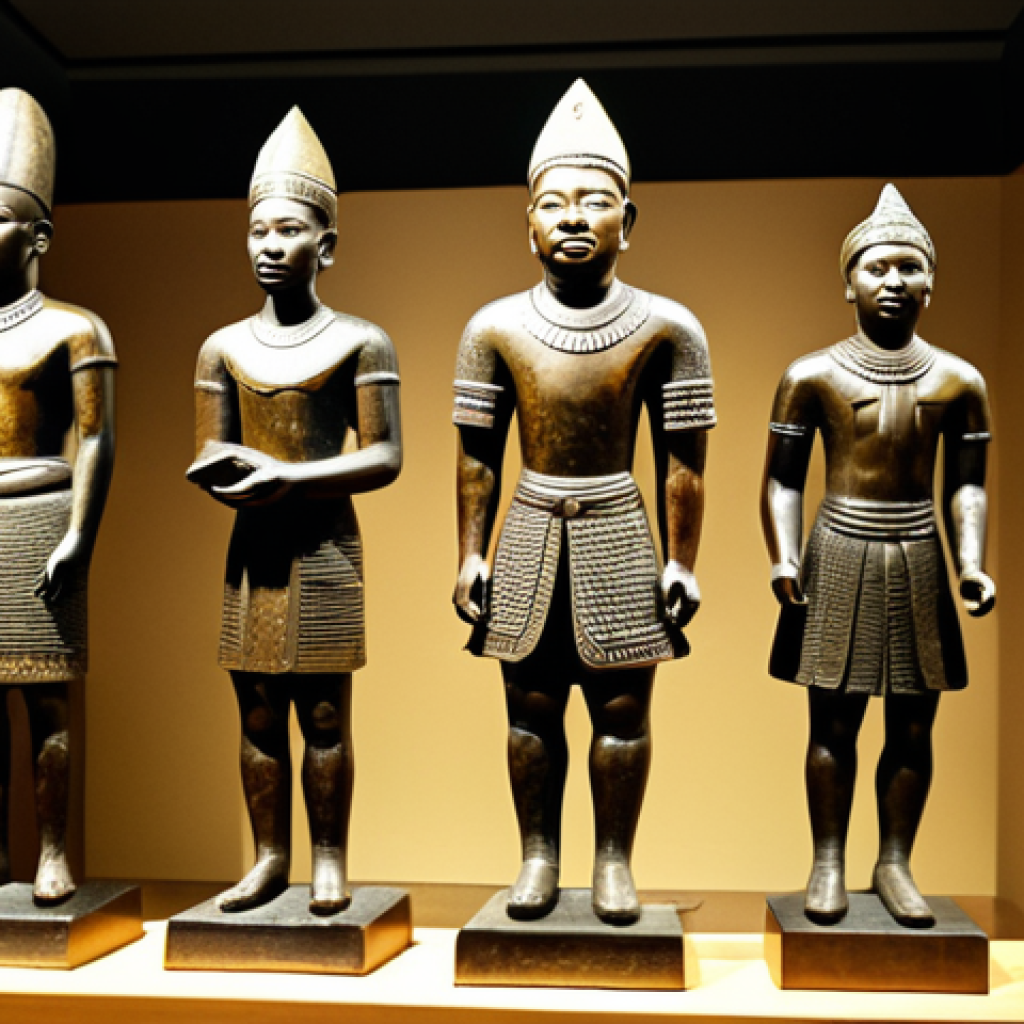
The Kingdom of Benin, famed for its exquisite bronze castings and intricate ivory carvings, flourished for centuries, leaving an indelible mark on the region.
To its west, the Kingdom of Dahomey rose to prominence, known for its fierce warriors, particularly the Agojie, the all-female royal guard, who instilled fear in their adversaries.
From what I’ve gleaned, recent scholarship even suggests their influence extended into realms of diplomacy and trade far beyond their immediate territories.
These kingdoms, though distinct, shared complex political systems and vibrant artistic traditions. Now, let’s delve deeper and accurately explore what made these West African kingdoms so remarkable.
## Unveiling the Layers of Power: Political Structures and GovernanceThe bedrock of both the Kingdom of Benin and Dahomey lay in their sophisticated political systems.
Forget any simplistic notions of ‘primitive’ governance; these were complex, hierarchical societies with checks and balances, albeit different from what we might be used to seeing in modern Western democracies.
In Benin, the Oba, or king, was the central figure, considered divine. However, his power wasn’t absolute. He was advised by a council of chiefs, each holding sway over different territories and responsible for specific functions within the kingdom, ranging from war to agriculture.
This system fostered a degree of shared governance and prevented the Oba from becoming an unchecked autocrat. From my understanding, the power dynamics were constantly shifting as different factions vied for influence, but the Oba always held the final say.
Royal Lineage and Succession Intrigues
The Role of Chiefs and Councils
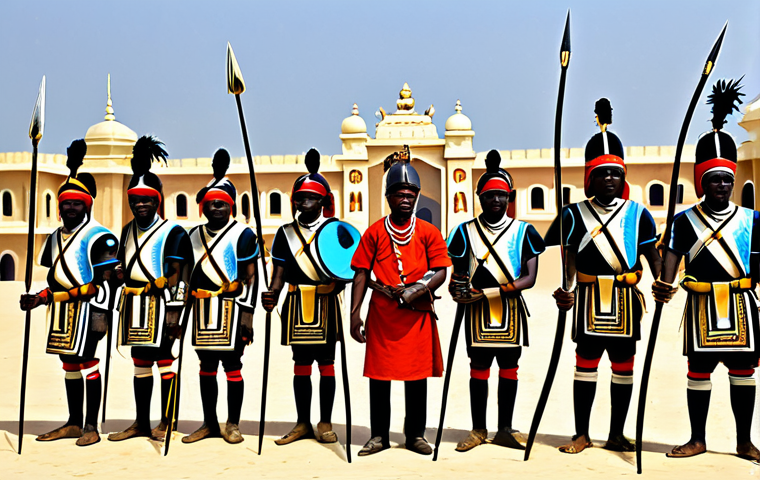
In contrast, Dahomey’s political structure, particularly under King Agaja, was more centralized and militaristic. The king held immense power, but he too relied on a council of ministers and a system of provincial governors.
What truly distinguished Dahomey was its emphasis on meritocracy and efficiency. Talented individuals, regardless of their birth, could rise through the ranks based on their skills and loyalty.
This system, while still hierarchical, allowed for social mobility and ensured that the most capable people held positions of authority. During my research, I found out they had elaborate ceremonies to display their wealth and power, and to reinforce the king’s authority.
Centralized Authority and Military Prowess
The Artistic Soul of West Africa: Benin’s Bronzes and Dahomey’s Appliqués
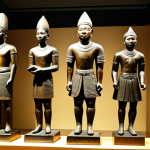
One simply cannot discuss these kingdoms without marveling at their artistic achievements. Benin, especially, is renowned for its bronze castings, intricate sculptures that depict scenes from court life, historical events, and religious beliefs.
These bronzes weren’t merely decorative; they were historical records, visual narratives that conveyed power, prestige, and the kingdom’s rich cultural heritage.
Having seen some of these artifacts in museums, I can attest to their incredible detail and craftsmanship.
The Legacy of Benin Bronzes
Dahomey’s Vibrant Appliqués and Textiles
Dahomey, while not as famous for bronze, developed its own distinctive artistic traditions. Their appliqués, elaborate textile banners depicting historical events, proverbs, and royal symbols, are a testament to their artistic ingenuity.
These appliqués, often made with vibrant colors and intricate designs, served as visual propaganda, reinforcing the king’s power and celebrating Dahomey’s military victories.
The creativity and skill poured into these pieces are genuinely striking; you have to see them to fully appreciate them.
The Fearsome Agojie: Women Warriors of Dahomey
The Agojie, Dahomey’s all-female royal guard, are perhaps one of the most fascinating and unique aspects of West African history. These women weren’t just bodyguards; they were elite warriors, rigorously trained and fiercely loyal to the king.
European observers were often astounded by their discipline, courage, and combat skills. The Agojie were a symbol of Dahomey’s strength and independence, and their presence on the battlefield instilled fear in their enemies.
Stories abound of their unwavering bravery and their crucial role in Dahomey’s military successes.
Training and Discipline of the Agojie
The Agojie in Battle and Society
The motivations for women joining the Agojie were varied. Some were seeking escape from difficult marriages, others were drawn to the power and prestige associated with being a royal warrior.
Regardless of their reasons, the Agojie were a force to be reckoned with, a testament to the strength and resilience of women in West African society.
Trade, Economy, and Interactions with the World
Both Benin and Dahomey were actively involved in trade, both within Africa and with European powers. Benin, with its strategic location on the coast, traded in goods such as pepper, ivory, and slaves.
Dahomey, while also involved in the slave trade, diversified its economy through agriculture and crafts. Their interactions with Europeans were complex, marked by periods of cooperation and conflict.
European traders sought access to African resources, while African rulers sought to maintain their independence and control over their territories. I read in one account that Dahomey tried to control the terms of trade with Europeans, something that caused a lot of tension.
Benin’s Coastal Trade and Resources
Dahomey’s Diversified Economy
| Kingdom | Political System | Artistic Achievements | Military Strength | Economic Activities |
|---|---|---|---|---|
| Benin | Hierarchical, Oba advised by council of chiefs | Bronze castings, ivory carvings | Strong army, skilled in siege warfare | Trade in pepper, ivory, slaves |
| Dahomey | Centralized, king with council of ministers, meritocracy | Appliqués, textiles | Agojie (female warriors), disciplined army | Trade in slaves, agriculture, crafts |
The Decline and Legacy of West African Kingdoms
The rise of European colonialism in the 19th century marked the beginning of the end for these powerful kingdoms. Benin was conquered by British forces in 1897, its treasures looted and its political system dismantled.
Dahomey, after a series of wars with the French, was eventually incorporated into French West Africa. Despite their fall, the legacy of these kingdoms lives on, in their art, their culture, and their history.
The stories of Benin and Dahomey serve as a reminder of the rich and complex history of West Africa, a history that deserves to be recognized and celebrated.
Colonial Conquest and Resistance
Enduring Cultural Influence
The bronze castings of Benin remain iconic symbols of African art, while the appliqués of Dahomey continue to inspire artists and designers today. The memory of the Agojie, the fearless women warriors, has captured the imagination of people around the world.
These kingdoms may be gone, but their spirit endures, a testament to the resilience and creativity of the African people.
Lessons from History: What Can We Learn Today?
Studying the history of the Kingdom of Benin and Dahomey offers valuable lessons for us today. These kingdoms demonstrate the importance of strong political institutions, the power of art and culture, and the resilience of the human spirit in the face of adversity.
They also highlight the complexities of intercultural relations, the dangers of unchecked power, and the enduring impact of colonialism. By learning from the past, we can build a better future, one that is more just, more equitable, and more understanding.
The Importance of Strong Institutions
The Enduring Power of Culture
Colonialism’s Lingering Effects
The stories of Benin and Dahomey are not just historical accounts; they are narratives of human ingenuity, resilience, and the enduring quest for power, freedom, and self-determination.
They are stories that deserve to be told and remembered, not just as a tribute to the past, but as a source of inspiration for the future. Unearthing the histories of the Kingdom of Benin and Dahomey truly opens a window into the vibrant tapestry of West African heritage.
These were not just ancient societies; they were centers of innovation, power, and artistic expression. From the bronze artistry of Benin to the fierce female warriors of Dahomey, their stories continue to resonate, challenging our perceptions of the past and offering valuable lessons for the present.
I hope exploring these kingdoms has been as enriching for you as it has been for me!
Wrapping Up
Reflecting on Benin and Dahomey, it’s clear that their legacies extend far beyond dusty history books. They prompt us to rethink conventional narratives and appreciate the diverse paths human societies have taken. Delving into their art, political systems, and social structures offers a fascinating glimpse into a world that was both powerful and complex. Their influence can still be felt today, reminding us of the enduring strength and cultural richness of West Africa.
Handy Facts to Keep in Your Pocket
1. Benin’s bronze sculptures were created using the lost-wax casting method, a sophisticated technique that allowed for incredibly detailed and intricate designs.
2. The Kingdom of Dahomey’s army was so effective that it presented a formidable challenge to European colonial powers for decades.
3. The Agojie warriors were not allowed to marry or have children while serving in the king’s guard, dedicating their lives entirely to the protection of the kingdom.
4. Both Benin and Dahomey engaged in complex diplomatic relations with European nations, navigating alliances and trade agreements to protect their interests.
5. Today, efforts are underway to repatriate looted Benin bronzes from museums around the world, returning them to their rightful place in Nigeria.
Key Takeaways
The Kingdom of Benin and Dahomey developed sophisticated political systems that, while different from modern democracies, included checks and balances and opportunities for social mobility.
Benin’s bronze castings and Dahomey’s appliqués serve as powerful examples of African artistic ingenuity and cultural expression.
The Agojie warriors of Dahomey represent a unique and fascinating aspect of West African history, demonstrating the strength and resilience of women in a pre-colonial context.
Colonialism had a devastating impact on both kingdoms, leading to their conquest, the looting of their treasures, and the dismantling of their political systems.
Despite their decline, the legacy of Benin and Dahomey endures, serving as a reminder of the rich and complex history of West Africa and the importance of preserving cultural heritage.
Frequently Asked Questions (FAQ) 📖
Q: What were the most significant artistic achievements of the Kingdom of Benin?
A: The Kingdom of Benin was renowned for its exceptional bronze castings and ivory carvings. These artworks, often depicting scenes of court life, warriors, and deities, served as historical records and expressions of royal power.
From what I’ve read, the Benin Bronzes, in particular, showcase an extraordinary level of skill and artistry, reflecting a sophisticated understanding of metallurgy and sculpture.
They were not just decorative but integral to the kingdom’s identity and cultural heritage.
Q: Besides their military prowess, what other factors contributed to the Kingdom of Dahomey’s success?
A: While the Agojie, Dahomey’s all-female warriors, are widely known, the kingdom’s success was also rooted in its strategic location and well-organized political structure.
Dahomey effectively controlled trade routes, particularly in enslaved people, which brought significant wealth. The kings were adept at diplomacy and resource management, ensuring the kingdom’s stability and expansion.
Personally, I always thought the focus on the warriors overshadowed the kingdom’s other vital aspects like its administration and economic policies.
Q: How did the Kingdom of Benin and the Kingdom of Dahomey interact with European powers during their existence?
A: Both kingdoms engaged in complex relationships with European powers, primarily through trade. Initially, this involved the exchange of goods like gold, ivory, and palm oil.
However, the arrival of the transatlantic slave trade dramatically altered these interactions. Both Benin and Dahomey participated, with varying degrees of involvement and resistance, leading to conflicts and ultimately contributing to their decline.
It’s a complicated history, filled with shifting alliances, economic pressures, and the devastating impact of colonialism. It makes you wonder what might have been had these interactions been more equitable.
📚 References
Wikipedia Encyclopedia