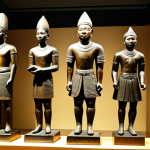
Benin’s fashion scene is an absolute explosion of culture, a dazzling journey through history stitched into every vibrant thread! I’ve always been fascinated by how clothing can narrate a story, and in Benin, each intricate design and choice of fabric truly speaks volumes about heritage, status, and identity.
From the majestic Agbada and elegant Iro and Buba, traditional attire beautifully blends with modern influences, showcasing a dynamic evolution that keeps the world captivated.
It’s truly inspiring to witness how local designers are pushing boundaries, ensuring their rich cultural aesthetics shine on the global stage. Curious to see this incredible fusion firsthand?
Let’s explore the heart of Beninese fashion right here!
Threads of Time: Unraveling Benin’s Sartorial Legacy
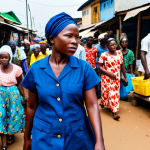
I remember my first visit to Benin, walking through the bustling markets, and being completely captivated by the explosion of colors and textures. It truly felt like stepping into a living museum, where every piece of fabric and every garment told a story spanning generations.
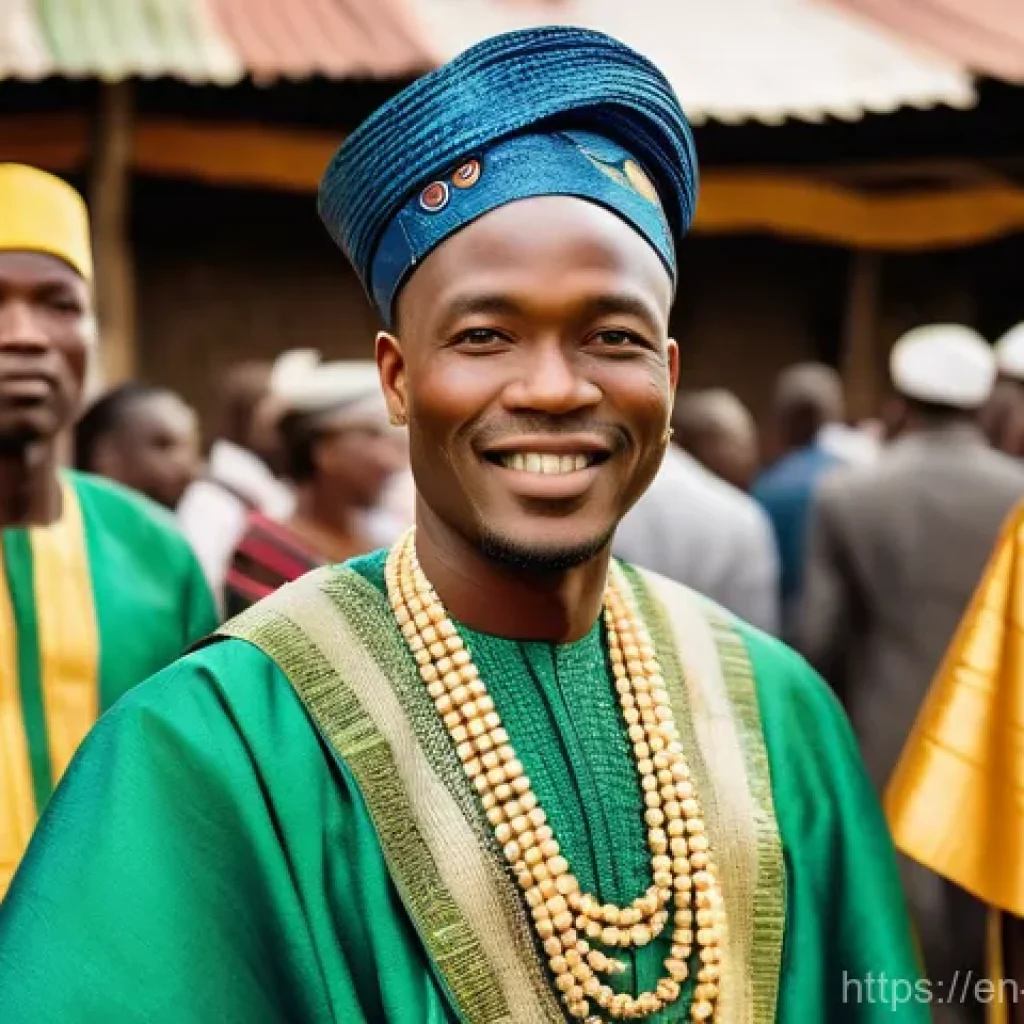
The sheer artistry in the traditional attire is something I still think about constantly. You see magnificent Agbadas, those grand, flowing robes often worn by men, that aren’t just clothes; they’re wearable history, speaking volumes about the wearer’s status and lineage.
And then there are the women, absolutely resplendent in their Iro and Buba ensembles—a beautiful wrap skirt paired with a charming loose-fitting top, often completed with an intricately tied headwrap.
It’s not just about covering up; it’s about making a profound statement, an ode to ancestry that’s woven into every fiber. Each pattern, each choice of color, feels like a deliberate echo of their forefathers and foremothers, preserving a cultural narrative that’s both vibrant and deeply personal.
It’s a testament to how fashion in Benin isn’t fleeting; it’s an enduring legacy, carefully passed down, cherished, and continuously reinterpreted. The depth of cultural meaning behind these garments is truly awe-inspiring, and I find myself continually learning more with each interaction I have with the local fashion scene.
Echoes of Ancestry in Every Stitch
When you look closely at a traditional Beninese garment, you’re not just seeing fabric and thread; you’re seeing generations of cultural narratives, ancestral wisdom, and artistic expression.
I’ve often felt a sense of reverence watching people wear these pieces, especially during festivals or important ceremonies. The way an Agbada drapes, for instance, with its often elaborate embroidery, instantly commands respect.
It’s a statement of dignity and connection to a rich past, signaling authority and celebration. For women, the Iro and Buba, sometimes accompanied by a gele (head tie) and iborun (shawl), showcase an incredible versatility that allows for both daily elegance and ceremonial grandeur.
These aren’t just clothes to put on; they are imbued with meaning, symbolizing family ties, community belonging, and a deep respect for heritage. The techniques used, from intricate weaving to the careful selection of indigo dyes, are often skills passed down through oral tradition and practical apprenticeship, making each piece a tangible link to a rich artistic lineage.
The Enduring Allure of Traditional Garments
What truly fascinates me is how these traditional garments, despite their deep roots in history, never feel outdated. Instead, they exude an enduring allure, a timeless elegance that transcends transient fashion trends.
I’ve seen grandmothers and their granddaughters wear variations of the same styles, each bringing their unique flair, but always honoring the original essence.
It’s a powerful testament to the fundamental strength and beauty of Beninese design principles. These pieces are cherished not just for their aesthetic appeal but for the stories they carry, the sense of identity they bestow, and the pride they evoke.
They become treasured heirlooms, passed down through families, each stain or gentle fray telling another chapter of its life. This longevity, this refusal to fade into obscurity, is something truly special in a world often obsessed with the next new thing.
It shows a deep appreciation for craftsmanship, cultural value, and the idea that true style is everlasting, not ephemeral.
Modern Silhouettes, Ancient Rhythms: The Fusion of Style
Stepping from the historic markets into some of Cotonou’s vibrant boutiques, you immediately sense this incredible energy—a palpable buzz where centuries-old traditions meet audacious contemporary design.
It’s a dance between the past and the present that truly excites me, as local designers are doing a phenomenal job of reimagining what Beninese fashion can be.
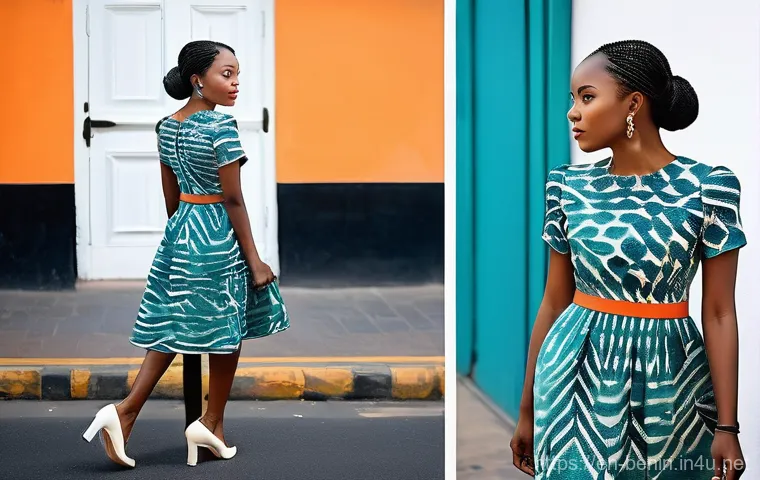
I’ve seen garments that seamlessly blend the classic cuts of an Agbada with avant-garde silhouettes, or infuse the vibrant patterns of traditional Adire fabric into sleek, modern dresses that wouldn’t look out of place on a Parisian runway.
This isn’t about abandoning heritage; it’s about a respectful, yet incredibly creative, evolution. Young designers, in particular, are showing an amazing knack for taking those deep-rooted cultural aesthetics and translating them into pieces that resonate with a global, contemporary audience, all while maintaining that distinct Beninese soul.
It truly highlights the dynamic nature of culture—it’s not static, it’s always growing, always finding new ways to express itself, and Beninese fashion is a shining example of that continuous, exciting transformation.
Young Designers Pushing Boundaries
I’ve had the pleasure of meeting several emerging designers in Benin, and their passion for innovation is just contagious. They’re not afraid to experiment, to deconstruct traditional forms and reassemble them in ways that feel fresh and exciting, yet still deeply Beninese.
Imagine a traditional wrap skirt, the iro, reimagined with asymmetric draping and paired with a sharply tailored crop top – that’s the kind of inventive spirit I’m talking about.
These creative minds are exploring new fabric combinations, playing with unconventional color palettes, and incorporating modern embellishments, all while consciously weaving in elements that pay homage to their heritage.
It’s a delicate balance, but they strike it with incredible grace and vision. They’re proving that respect for tradition doesn’t mean stagnation; it means having a rich foundation from which to launch into bold, new artistic territories.
Their work is a vibrant testament to the fact that Beninese fashion is not just alive; it’s thriving and constantly evolving.
How Global Trends Meet Local Aesthetics
One of the most fascinating aspects of Benin’s fashion scene for me is observing how international fashion trends are absorbed and reinterpreted through a distinctly Beninese lens.
It’s not about simple imitation; it’s a sophisticated cultural dialogue. For instance, you might see influences of global streetwear, but instead of generic logos, the garments feature intricate Beninese motifs or prints inspired by local storytelling.
Or, a classic European suit might be crafted from a bold, traditionally printed wax fabric, creating an entirely new aesthetic that’s both familiar and uniquely Beninese.
This fusion speaks to a cosmopolitan outlook without sacrificing cultural identity. It shows a confident embrace of the wider world while firmly planting roots in local aesthetics.
This thoughtful integration creates a style that is truly unique—a vibrant tapestry where contemporary global influences are enriched and given new life by the profound beauty and distinctiveness of Beninese artistic traditions.
It’s a beautiful cultural exchange played out on the sartorial stage.
Beyond the Seams: Fashion as a Cultural Statement
You know, it’s one thing to appreciate beautiful clothes, but in Benin, fashion is so much more than just aesthetics. It’s a powerful language, a non-verbal narrative that communicates volumes about a person, their community, and their place in the world.
I’ve learned that simply by observing someone’s attire, you can glean insights into their marital status, their social standing, perhaps even the particular ceremony or event they are attending.
It’s a subtle yet incredibly profound system of communication that I find utterly captivating. Dressing in Benin isn’t just a daily ritual; it’s an intentional act of self-expression and cultural affirmation.
From the vibrant patterns chosen for a festive gathering to the more subdued tones for a formal occasion, every sartorial decision carries weight and meaning.
It’s a beautiful way that individuals connect to their collective identity, reinforcing cultural norms while simultaneously showcasing personal style.
Dressing for Occasions: From Ceremonies to Daily Life
The concept of occasion dressing is deeply ingrained in Beninese culture, and I’ve been so impressed by the thoughtfulness that goes into selecting an outfit.
For a traditional wedding or a naming ceremony, the fabrics are often richer, the designs more elaborate, and the colors more vivid, all designed to signify celebration and joy.
I once attended a local festival where entire families arrived in matching or complementary outfits, creating a stunning visual symphony that underscored their unity and pride.
Yet, even for daily life, there’s a certain elegance and consideration given to clothing. While perhaps less ornate, everyday wear still utilizes vibrant prints and comfortable yet stylish silhouettes that reflect personal taste while remaining culturally appropriate.
It’s not about owning countless outfits; it’s about owning pieces that are meaningful, well-chosen, and adaptable to various social contexts, ensuring that one always presents themselves with respect and pride.
Status, Identity, and Personal Expression
What’s truly striking is how fashion in Benin acts as a dynamic interplay of status, identity, and individual expression. Certain fabrics or styles might subtly denote a person’s age group, their marital status, or even their profession, almost like a visual shorthand within the community.
For example, some intricate patterns might historically be associated with specific royal families or important clans. However, this isn’t rigidly prescriptive.
Within these cultural parameters, there’s immense room for personal flair. Individuals meticulously choose colors, accessorize with unique jewelry, or adopt particular tying styles for their headwraps that speak to their unique personality and aesthetic preferences.
I’ve often felt that Beninese people wear their identity with such grace and confidence, using their clothing not just as adornment but as a powerful, everyday declaration of who they are and where they come from.
It’s a powerful visual dialogue that I always enjoy observing.
The Artisans’ Touch: Craftsmanship and Innovation
The heart of Beninese fashion truly lies in the hands of its incredible artisans. I’ve spent hours watching them work, mesmerized by their skill and dedication, and it’s something I genuinely believe deserves global recognition.
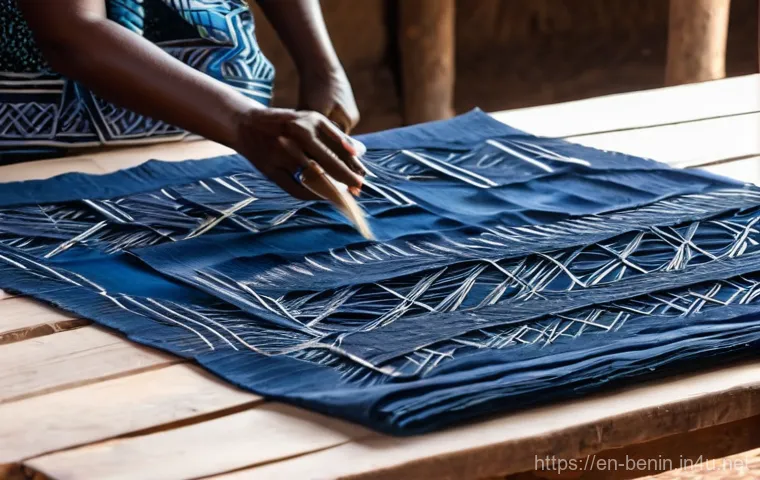
These aren’t just manufacturers; they are custodians of ancient techniques, artists who imbue every thread and dye with cultural significance. From the rhythmic clatter of looms producing intricate woven fabrics to the meticulous process of resist-dyeing Adire textiles, each step is a testament to generations of accumulated knowledge and artistic mastery.
It’s truly humbling to witness the precision and patience involved in creating these elaborate designs, knowing that many of these methods have been passed down for centuries.
Yet, what’s equally exciting is seeing how these artisans, while honoring their heritage, are also embracing innovation, experimenting with new materials, and adapting traditional motifs to appeal to a wider audience.
This blend of unwavering respect for tradition and a willingness to explore new horizons is what makes Beninese craftsmanship so incredibly vibrant and relevant today.
The Skill Behind the Fabric
When you see the vibrancy of a Beninese fabric, it’s easy to be struck by the color and pattern, but the true magic often lies in the skill behind its creation.
I’m thinking about the indigo dyers, whose hands, stained a beautiful blue, tell a story of countless hours spent perfecting their craft. The resist-dyeing techniques they employ, whether using cassava paste, raffia, or wax, require incredible precision and an artistic eye to produce those intricate, often geometric, patterns that are characteristic of Adire cloth.
Then there are the weavers, whose nimble fingers transform raw threads into complex designs on traditional looms, each movement a practiced dance that results in a fabric rich in texture and meaning.
These aren’t industrial processes; they are intimate, handmade creations, where the touch of the artisan is evident in every thread. It’s this deep connection to human creativity and manual dexterity that gives Beninese fabrics such a unique and soulful quality, something machine-made simply cannot replicate.
Preserving Techniques, Embracing New Ideas
One of the most inspiring aspects of the Beninese artisan community is their dedication to preserving ancient techniques while simultaneously welcoming new ideas.
I’ve seen workshops where grandmothers teach their granddaughters the intricate art of weaving, ensuring that these invaluable skills don’t fade away.
This generational transfer of knowledge is crucial for maintaining the authenticity and depth of Beninese fashion. However, these same artisans are often quite open to innovation.
They might experiment with eco-friendly dyes, incorporate new materials like organic cotton, or collaborate with modern designers to apply traditional patterns to contemporary garments.
This isn’t a conflict between old and new; it’s a dynamic synergy. They understand that to keep their crafts relevant in a changing world, a degree of adaptation is necessary.
This thoughtful approach ensures that their rich artistic heritage continues to thrive, evolve, and capture the imagination of a global audience, making their work both timeless and cutting-edge.
From Local Markets to Global Runways: Benin’s Fashion Journey
It’s truly a thrill to witness the journey of Beninese fashion, starting from the vibrant chaos of local markets and culminating in dazzling displays on international runways.
The Grand Marché in Cotonou is an experience in itself—a sensory overload of colors, sounds, and textures where you can find everything from raw fabric bolts to exquisitely tailored ready-to-wear pieces.
The energy there is infectious, and it’s where I first truly understood the daily pulse of Beninese style. But the story doesn’t end there. In recent years, it’s been incredibly exciting to see Beninese designers, fueled by their unique cultural perspective and immense talent, making significant strides on the global stage.
They are showcasing their collections at major fashion weeks in Paris, New York, and London, bringing their distinctive blend of tradition and modernity to a wider audience.
This international recognition is not just about glamour; it’s a powerful testament to the universal appeal of Beninese aesthetics and craftsmanship, and a vital boost for the local fashion economy and national pride.
The Buzz of Grand Marché
Oh, the Grand Marché! If you want to truly feel the heartbeat of Beninese fashion, you absolutely have to experience it. I remember the first time I ventured in; it was an exhilarating whirlwind of vibrant stalls piled high with dazzling wax prints, intricate Adire fabrics, and a rainbow of threads.
The air hums with the chatter of vendors and shoppers, the rustle of fabrics, and the scent of spices. It’s a place where you can find artisans meticulously hand-tailoring garments right on the spot, or discover a hidden gem of a boutique tucked away amidst the labyrinthine passages.
For me, it’s more than just a shopping destination; it’s a cultural immersion, a place where stories are exchanged, and the latest local styles are showcased in their most authentic form.
The sheer variety and creative energy are overwhelming in the best possible way, offering a real snapshot of how fashion integrates into the daily lives and entrepreneurial spirit of the Beninese people.
Beninese Talent on the International Stage
It’s genuinely inspiring to see Beninese designers confidently stepping onto international platforms, sharing their incredible vision with the world. I’ve followed the careers of several designers who started locally and are now gracing the pages of international fashion magazines and showcasing their collections at prestigious global events.
They aren’t just presenting clothes; they’re presenting a rich cultural narrative, educating and enchanting audiences with the depth and vibrancy of Beninese heritage.
This exposure is crucial for breaking stereotypes and showcasing the sophisticated, innovative side of African fashion. It creates new opportunities for local artisans, boosts the national economy through exports, and perhaps most importantly, instills immense pride within Benin.
It shows young aspiring designers that their dreams are valid and that their unique cultural voice has a powerful place on the global fashion stage. It truly feels like a new era of recognition and celebration for Beninese creativity.
Investing in Authenticity: Navigating the Ethical Fashion Landscape
When I first started exploring fashion in Benin, I quickly realized that it wasn’t just about aesthetics; it was about connection—connection to culture, to community, and to the artisans who pour their heart and soul into every piece.
This realization really shifted my perspective on what it means to be a conscious consumer. Investing in Beninese fashion, for me, has become synonymous with investing in authenticity and ethical practices.
It’s about more than just buying a beautiful garment; it’s about supporting local economies, ensuring fair wages for artisans, and helping to preserve traditional crafts that might otherwise be lost in the tide of mass production.
I’ve made a conscious effort to seek out brands and individual artisans who are transparent about their sourcing and production, knowing that my purchase directly contributes to the livelihoods of these talented individuals and their communities.
It’s a powerful feeling to know that your wardrobe can tell a story of ethical support and cultural appreciation, rather than just a trend.
Supporting Local Economies and Crafts
For me, one of the most compelling reasons to fall in love with Beninese fashion is the direct impact my choices can have on local economies and the preservation of artisanal crafts.
When you purchase a piece directly from a Beninese artisan or a local brand, you’re not just getting a unique item; you’re contributing to their livelihood, their family’s well-being, and the continuation of invaluable cultural skills.
I’ve spoken with artisans who told me how difficult it was to compete with cheap, mass-produced imports, and how every sale of an authentic, handcrafted piece makes a tangible difference.
It helps them continue their work, pass on their skills to the next generation, and invest in better materials. It’s a beautiful cycle of support, where appreciation for their craft translates into economic empowerment, allowing these incredible traditions to flourish rather than fade away.
It’s a win-win situation where consumers get unique, high-quality items and communities thrive.
The True Value of Handcrafted Beninese Fashion
I’ve learned that the true value of handcrafted Beninese fashion extends far beyond its price tag. There’s an inherent soul in each piece—the hours of meticulous work, the cultural significance embedded in every motif, the story of the artisan’s hands that shaped it.
When I hold a piece of Adire fabric or a finely tailored Agbada, I don’t just see clothing; I see a piece of art, a fragment of history, and a testament to human ingenuity.
This isn’t fast fashion; it’s slow fashion at its finest, built to last, to be cherished, and to carry meaning. Knowing that your garment was made with care, using traditional methods and often sustainable practices, adds an immeasurable layer of value that machine-made items simply cannot replicate.
It’s an investment not just in your wardrobe, but in a piece of living culture, a connection to a community, and a testament to the enduring power of human creativity.
| Garment/Fabric | Description | Cultural Significance/Usage |
|---|---|---|
| Agbada | A large, flowing robe, typically worn by men, often elaborately embroidered. | Symbol of prestige, wealth, and high social status; frequently worn for formal events and ceremonies. |
| Iro and Buba | A women’s ensemble consisting of a wrap skirt (iro) and a loose-fitting top (buba), often with a head tie (gele). | Versatile attire for daily wear and special occasions, representing grace, femininity, and cultural pride. |
| Adire Fabric | Hand-dyed indigo cloth made primarily by Yoruba women using resist-dyeing techniques (e.g., starch, wax). | Rich in symbolic patterns, each design often tells a story or conveys a message; used for clothing and decorative purposes. |
| Kaba and Slit | A two-piece set for women, featuring a long, flowing skirt (slit) and a matching fitted top (kaba). | A common and elegant daily or formal wear choice, reflecting comfort and traditional style with a modern touch. |
Wrapping Up Our Journey
What a captivating journey we’ve had through the vibrant tapestry of Beninese fashion! My heart is truly full from exploring the intricate stories woven into every garment, the passionate hands of the artisans, and the dynamic blend of timeless tradition with bold modernity. It’s truly been an honor to share my personal encounters and deep admiration for a culture that so beautifully expresses its soul through attire. As I reflect, it’s clear that Beninese fashion isn’t just about clothes; it’s a living, breathing testament to heritage, resilience, and boundless creativity. It reminds us that true style is steeped in identity, passed down through generations, and continuously reinterpreted with a joyous spirit that resonates far beyond its borders.
Useful Insights for Your Fashion Exploration
1. Dive into Local Markets: If you ever get the chance to visit, don’t miss places like the Grand Marché in Cotonou. It’s a sensory feast and the best way to truly understand the pulse of local fashion, interact with vendors, and find authentic pieces. Just be ready for the glorious chaos!
2. Appreciate the Craftsmanship: When you see a piece of Adire fabric or a finely embroidered Agbada, remember the hours of skilled work and generations of knowledge behind it. This appreciation enhances the item’s value and your connection to it.
3. Support Ethical Practices: Look for designers and artisans who are transparent about their sourcing and production. Your support helps sustain traditional crafts, ensures fair wages, and contributes directly to local economies, making your purchase a meaningful investment.
4. Embrace Cultural Storytelling: Each pattern, color, and style in Beninese fashion often carries a specific cultural meaning or narrative. Learning a little about these stories can deepen your understanding and appreciation of the garments.
5. Mix and Match with Confidence: Don’t be afraid to integrate elements of Beninese fashion into your existing wardrobe. A beautifully printed scarf, a unique accessory, or a statement piece can add a touch of global elegance and personal history to your daily style.
Key Takeaways for the Conscious Fashion Enthusiast
My journey through Benin’s fashion landscape has solidified a few core beliefs for me, and I genuinely hope they resonate with you too. Firstly, Beninese fashion is an incredibly rich and diverse cultural expression, far more than just adornment. It’s a profound language that speaks of ancestry, social standing, and personal identity. I’ve personally seen how a garment can instantly convey a story, making every outfit a captivating conversation piece.
Secondly, the craftsmanship involved is nothing short of extraordinary. The meticulous hand-dyeing, intricate weaving, and expert tailoring are skills passed down through generations, making each piece a work of art. It’s a powerful reminder that true value often lies in the human touch, the time, and the tradition invested in creation, rather than in mass production. I truly believe that investing in these handcrafted pieces is a way to honor and preserve these invaluable artistic legacies.
Finally, and perhaps most importantly, Beninese fashion is a dynamic blend of heritage and innovation. It gracefully evolves, with young designers bravely pushing boundaries while still deeply respecting their roots. This continuous dialogue between past and present makes it endlessly fascinating and ensures its global relevance. As consumers, by seeking out and celebrating these authentic expressions, we not only enrich our own wardrobes but also actively participate in a global movement towards more ethical, meaningful, and culturally resonant fashion choices. It’s about looking good, feeling good, and doing good, all woven into one beautiful narrative.
Remember to keep an eye out for:
- The unique storytelling embedded in textile patterns.
- The exquisite hand-dyed Adire fabrics and intricate weaving.
- Designers who blend traditional motifs with modern silhouettes.
- Opportunities to support local artisans directly, fostering sustainable livelihoods.
Frequently Asked Questions (FAQ) 📖
Q: What truly makes Beninese fashion such a vibrant tapestry of culture and history?
A: Oh, this is one of my favorite questions! Stepping into Benin’s fashion scene is like embarking on a colorful journey through time, where every stitch tells a story.
What really strikes you first is the sheer diversity and depth of its traditional attire. We’re talking about iconic pieces like the majestic Agbada, which for men, is far more than just a flowing robe; it’s a symbol of respect and social standing, often intricately embroidered to signify importance.
Then there are the women’s Iro and Buba, those elegant wrapper and blouse ensembles that I’ve seen worn with such grace for everything from daily errands to grand celebrations.
Don’t forget the versatile Boubou, a loose, long garment popular with both men and women, often made from richly embroidered fabrics that just scream elegance.
The fabrics themselves are masterpieces! You’ll find dazzling Ankara and wax prints, bursting with bold patterns that are so alive they seem to dance.
But it’s not just about the beauty; these prints often carry deep symbolic meanings, a hidden language woven into the threads. I’ve personally been fascinated by how fabrics like the handwoven Asoke, with its intricate textures, are reserved for ceremonies, showcasing incredible craftsmanship.
And let’s not even start on the powerful symbolism of colors and adornments! For example, among the Edo-speaking people (often linked closely with Benin’s fashion narrative), the vibrant red flannel cloth, or Ododo, and stunning coral beads aren’t just pretty to look at.
They’re profound emblems of royalty, wealth, and spiritual power. When you see someone adorned in these, you immediately understand the deep cultural roots and respect they command.
It’s truly a fashion scene that speaks volumes without saying a word.
Q: How are Beninese designers keeping tradition alive while embracing global trends, and what’s their secret to making such a mark on the international stage?
A: It’s exhilarating to watch! Beninese designers are absolute maestros at this balancing act. From what I’ve seen and experienced firsthand, they’re not just preserving their heritage; they’re actively reimagining it for a global audience, making it incredibly exciting and relevant.
The secret, I believe, lies in their ability to blend age-old techniques and traditional fabrics with utterly contemporary cuts and silhouettes. Think of it this way: a classic Agbada might get a modern, slimmer fit, or traditional handwoven textiles like Asoke are transformed into chic, ready-to-wear pieces you’d want to rock anywhere in the world.
Designers like Léonard Ahonon, known for weaving traditional motifs into modern silhouettes, or Afrik’Aya Couture, celebrated for their elegant haute couture, are really pushing boundaries.
And then there’s the incredible work of ‘President Djangoun,’ who’s making waves with recycled fashion, turning everyday discarded items into award-winning, creative masterpieces – talk about innovation!
We also have talents like Kassim Lassissi of Allëdjo, whose designs tell beautiful stories about Africa, and Samir De Dravo of MAISON SITOU, who’s crafting contemporary pieces steeped in ancestral craftsmanship.
These designers are showcasing their work on international runways, in collaborations, and through vibrant cultural exhibitions. They’re essentially telling the world, “Look at our heritage, it’s not just history, it’s the future of fashion!” It’s a genuine testament to their creativity and determination that Beninese fashion is not just being noticed, but truly celebrated on the global fashion map, driving a significant economic impact for the country too.
Q: Beyond the beautiful clothing, what deeper significance does fashion hold for the people of Benin in their daily lives and culture?
A: This is where Beninese fashion truly touches your soul, because it’s so much more than just what you wear. For the people of Benin, fashion is a living, breathing aspect of their identity and social fabric.
It’s a powerful form of non-verbal communication. Think about it: a specific pattern on an Ankara fabric can tell you about a person’s marital status, their community, or even a proverb.
I remember once being taught that certain waist beads, which are incredibly popular, aren’t just for adornment; they can signify royalty, a rite of passage into womanhood, or even a dedication.
It’s absolutely fascinating! This isn’t just about special occasions, either. While traditional garments shine brightly at festivals and ceremonies, the underlying cultural values permeate everyday choices.
Even as modern Western attire gains popularity in urban areas for work, there’s a deep-seated pride in incorporating elements of traditional Beninese style, whether it’s a beautifully tailored shirt made from local fabric or a statement accessory.
Fashion plays a vital role in showcasing social status, wealth, and community belonging. It reflects a profound connection to history and ancestral heritage.
And on a broader scale, the burgeoning textile and apparel industry is becoming a cornerstone of economic development, creating jobs and fostering pride in local craftsmanship.
So, when you see someone dressed in Benin, you’re not just seeing an outfit; you’re witnessing a rich narrative of personal identity, cultural pride, and community connection.
It’s truly inspiring!