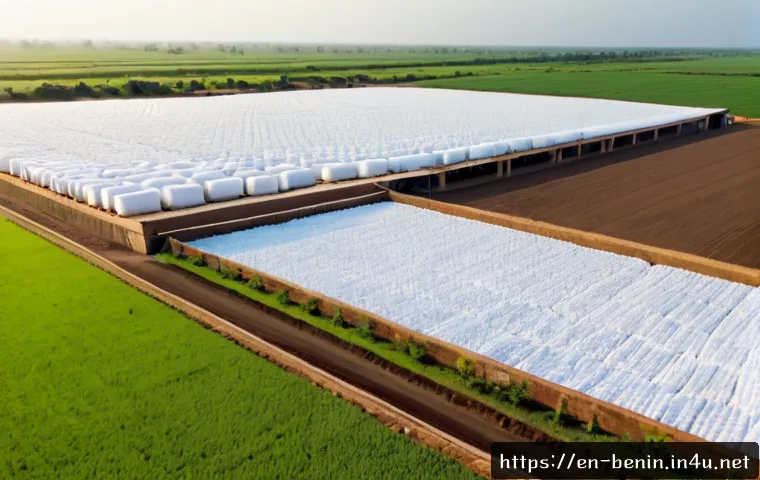
Benin’s strongest business opportunities are linked to agricultural supply chains, trade through the Port of Cotonou, mobile-based services, and construction supply.
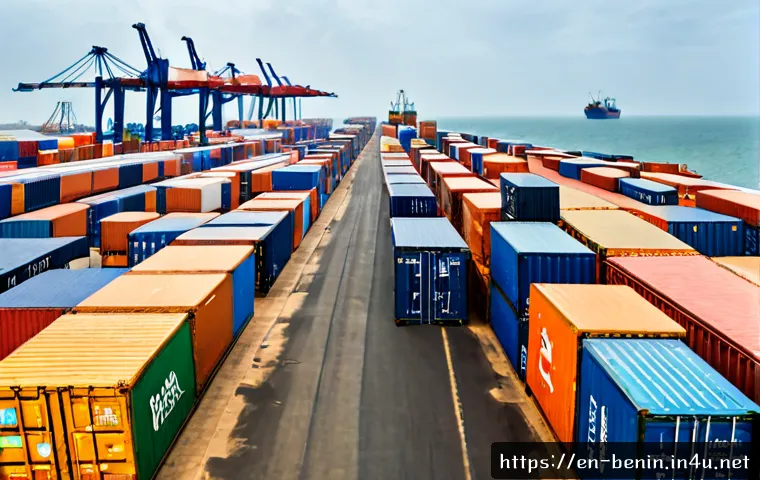
For foreign companies, the most practical starting points are usually sourcing, logistics, distribution, business connectivity, and support services rather than assumptions about individual company performance.
Agriculture matters because cotton is a key export crop, while cashews, staple crops, and palm-derived products create additional processing and transport needs.
Cotonou also supports import activity and regional transit trade connected to neighboring landlocked markets. Commercial potential should be assessed alongside supplier verification, customs capability, delivery capacity, and contract terms.
This makes Benin relevant for exporters, procurement teams, freight providers, and market-entry advisers that can manage operational details carefully.
At a Glance
- Agriculture is central to Benin’s economy, with cotton, cashews, staple crops, and related processing creating sourcing and export opportunities.
- The Port of Cotonou is a key trade gateway for imports, exports, storage, transport, and regional transit activity.
- Telecom, mobile financial services, and construction supply support business operations, urban development, and commercial distribution.
| Sector | Typical Commercial Need | Logistics Dependence | Key Partner Checks |
|---|---|---|---|
| Agriculture and processing | Sourcing, storage, quality control, export support | High | Product handling, delivery capability, payment terms |
| Port logistics and distribution | Freight forwarding, customs support, warehousing | Very high | Customs experience, documentation process, service scope |
| Telecommunications and digital services | Business connectivity, mobile services, payment tools | Moderate | Coverage, support process, contract terms |
| Construction and industrial supply | Cement distribution, building materials, equipment supply | High | Specifications, inventory access, delivery capacity |
Where Benin’s Business Activity Is Concentrated
A quick view of agriculture, trade logistics, services, and construction
Benin’s business landscape is shaped by a practical mix of agricultural production, commercial trade, service activity, and building supply. Agriculture supports crop sourcing, processing, storage, transport, and export services. Trade logistics centers heavily on Cotonou, where port-related activity connects importers, distributors, freight providers, and regional transit movements.
Service demand also includes telecommunications, banking, public utilities, and mobile financial services. Construction-related activity creates demand for cement distribution and other building supplies. For a market entrant, the opportunity is often not simply selling a product; it may be providing the logistics, equipment, connectivity, or local support needed to move that product through the market.
Why location and regional trade routes matter for commercial demand
The Port of Cotonou serves as a major gateway for Benin and for trade linked to neighboring landlocked countries. This can make freight forwarding, customs handling, transport coordination, and warehouse services commercially relevant to importers and exporters. However, a gateway role does not remove operating risk. Businesses should confirm the actual route, documentation responsibilities, port handling scope, and final delivery arrangements before quoting or signing a contract.
Agriculture and Export Supply Chains
Cotton, cashews, staple crops, and processing opportunities
Cotton is among Benin’s most important export crops. Cashew nuts, maize, cassava, yams, rice, and palm-derived products also matter within the agricultural economy. This creates potential across multiple stages of the value chain: crop aggregation, processing, packaging, storage, inland transport, and export coordination.
For exporters and industrial equipment suppliers, the relevant opportunity may be a processing or handling need rather than the crop itself. Examples include storage systems, quality-control processes, food-processing equipment, packaging support, or transport services. The commercial fit depends on the buyer’s operating scale, required specifications, and ability to maintain equipment or services locally.
What exporters and buyers should verify before sourcing
Before selecting an agricultural supplier or local distributor, compare product specifications, available handling capacity, delivery process, payment terms, and export documentation responsibilities. A supplier’s stated product availability is not enough for a procurement decision. The buyer should also establish who is responsible for storage, inspection, loading, inland transport, and coordination with a freight forwarder.
Where quality standards matter, ask for a clear process for inspection and acceptance before payment milestones are triggered. If a local partner will represent an overseas supplier, confirm after-sales support, escalation contacts, and the extent of the partner’s authority in writing.
Storage, quality control, transport, and payment-risk considerations
Agricultural supply chains can be affected by handling quality, storage arrangements, delivery timing, and payment structure. These are commercial checkpoints, not details to leave until the final contract. Buyers should separate the product price from related operational costs such as storage, transport, handling, insurance where applicable, and export service charges.
Payment risk is best managed through clarity. Define the documents required at each stage, the agreed inspection method, the party responsible for logistics coordination, and the conditions for accepting a shipment. Local legal and financial review can be worthwhile before committing to a material purchase order.
Port Logistics, Trade, and Distribution Opportunities
The commercial role of Cotonou in import and transit activity
The Port of Cotonou supports Benin’s import and export activity and plays a role in regional transit trade. This makes port-adjacent businesses relevant to companies moving consumer goods, industrial equipment, agricultural products, and construction materials. Freight forwarding and customs support are therefore not secondary services; they can influence delivery reliability and landed-cost planning.
Comparing freight forwarding, customs handling, and warehouse partners
When comparing a freight forwarder, customs handling provider, or warehouse operator, focus on service boundaries. Confirm whether the provider handles only port movement or also documentation, customs coordination, inland transport, warehousing, and final delivery. Ask how exceptions are handled if documents are incomplete, cargo requires additional coordination, or delivery timing changes.
It is sensible to compare freight quotes on a like-for-like basis. A lower quote may cover fewer services, while a broader quote may include coordination that reduces operational workload. Request a local partner assessment when the provider will manage sensitive documents, recurring cargo, or customer-facing delivery.
Costs that can affect landed-price calculations
A landed-price calculation should not stop at the supplier’s invoice. It may need to include transport, port-related handling, warehousing, customs support, inland delivery, and currency considerations. Benin uses the West African CFA franc (XOF), shared by several West African Economic and Monetary Union countries. Contract currency, payment timing, and the allocation of logistics costs should be clearly defined.
Telecommunications, Financial Services, and Business Infrastructure
Mobile connectivity and digital service demand

Telecommunications is an important service sector in Benin, and mobile connectivity is central to consumer and business activity. For employers, distributors, field teams, and service providers, dependable communication can affect sales coordination, customer support, payment workflows, and logistics visibility.
Mobile financial services and banking also influence the broader operating environment. Businesses considering digital tools should assess whether the proposed service matches the users’ actual connectivity, payment process, support needs, and internal controls.
Business criteria for selecting telecom, payment, and IT providers
Compare business connectivity options using practical questions: What coverage is needed? Which locations matter? What support channel is available? What are the contract conditions? Can the provider support multiple users, devices, or sites? These questions are more useful than relying on general claims about service quality.
For payment and IT arrangements, organizations should also clarify user permissions, service support, recordkeeping, and escalation procedures. A provider may be suitable for a small field team but not necessarily for a larger procurement, warehouse, or distribution operation.
Service-level, coverage, and contract checks for organizations
Before selecting a telecom or technology provider, review coverage, support responsiveness, installation requirements, contract duration, billing terms, and service limitations. Businesses should avoid treating a pilot arrangement as proof that a service will meet all future operating needs. Review business connectivity options through the provider’s official information and detailed commercial terms.
Construction, Energy, and Industrial Supply Considerations
Cement, building materials, and infrastructure-linked demand
Construction materials, including cement distribution and related building supply businesses, support urban development and infrastructure activity. This creates potential for distributors, equipment suppliers, transport operators, and companies serving contractors or project buyers.
The strongest commercial question is often operational: can a supplier deliver the correct material, at the required specification, to the required location? Product availability, transport capacity, storage conditions, and delivery coordination should be reviewed together.
Evaluating distributors, equipment suppliers, and delivery capacity
For building materials and industrial equipment, compare technical specifications, inventory access, replacement-part availability, delivery scope, and after-sales support. A distributor that can supply basic materials may not be able to support specialized equipment. Likewise, an equipment seller may not provide installation, training, or maintenance support unless those terms are expressly included.
Avoiding common procurement and specification mismatches
Specification mismatch is a common procurement risk in any market. Prevent it by documenting the required grade, model, dimensions, performance requirement, packaging, delivery point, and acceptance process. Do not assume that an informal product description is sufficient for a construction or industrial order. Where technical compliance matters, seek relevant local or professional advice before purchase.
Selection Criteria and Comparison Summary
Before entering the market, use a short decision checklist:
- Match the sector to your role: sourcing, export, distribution, logistics, telecom, or industrial supply.
- Confirm licenses, operating authority, and compliance status through appropriate local verification.
- Compare delivery capacity, warehouse access, customs experience, payment terms, and after-sales support.
- Calculate the full commercial path, including transport, handling, storage, customs support, and final delivery.
- Use local legal, tax, logistics, or compliance advice when the contract value or operational exposure justifies it.
Before appointing a provider, compare freight quotes, request a local partner assessment, and review business connectivity options using official terms and the provider’s detailed service scope.
Closing Thoughts
Benin offers practical business entry points through agriculture, port-linked trade, telecommunications, and construction supply. The Port of Cotonou and agricultural value chains make logistics capability especially important. Opportunities should be evaluated by operational fit, not broad market assumptions. A clear contract, suitable partner checks, and realistic landed-cost planning can be more valuable than a quick market entry decision.
Useful Information to Keep in Mind
- Benin uses the West African CFA franc (XOF).
- Cotton is a major export crop, alongside other agricultural products such as cashews and staple crops.
- Port, transport, storage, banking, utilities, and mobile services can all affect day-to-day business execution.
- A commercial partner should be assessed for actual service capacity, not only product availability or marketing claims.
Important Notes
This overview does not confirm the current ownership, revenue, market share, licensing status, reliability, or compliance of any individual Beninese company. Current customs duties, taxes, incentives, shipping prices, warehouse rates, investment rules, and contract conditions require direct verification. Obtain qualified local legal, tax, financial, and logistics guidance where needed before making an investment, signing a supply agreement, or sending payment.
Frequently Asked Questions
Q1. What are the most important industries in Benin for foreign businesses?
A1. Agriculture, trade logistics connected to the Port of Cotonou, telecommunications, mobile-based services, and construction supply are key areas to assess. The right sector depends on whether a company is sourcing goods, exporting products, providing logistics, selling equipment, or supporting local business operations.
Q2. Is Benin a practical market for agricultural sourcing and export partnerships?
A2. Benin can be relevant for agricultural sourcing because cotton, cashews, maize, cassava, yams, rice, and palm-derived products are important parts of the agricultural economy. Practicality depends on verifying product specifications, storage, quality-control procedures, transport arrangements, documentation, payment terms, and the capability of the selected partner.
Q3. What should a company compare before choosing a freight forwarder or local distributor in Benin?
A3. Compare the provider’s documented service scope, customs experience, freight coordination, warehouse access, inland delivery capability, communication process, payment terms, and after-sales support. Ensure that the quote clearly states what is included and what remains the buyer’s responsibility.