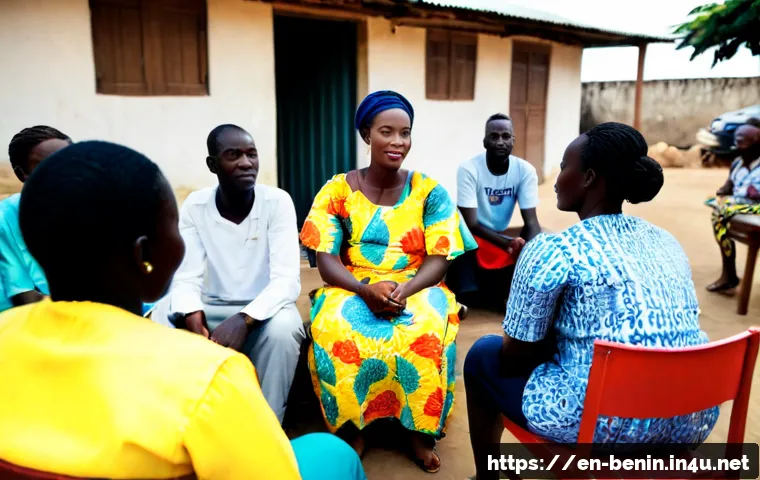
Women in Benin have gained stronger legal recognition and wider public participation, yet unequal access to education, income, land, safety, and leadership remains.
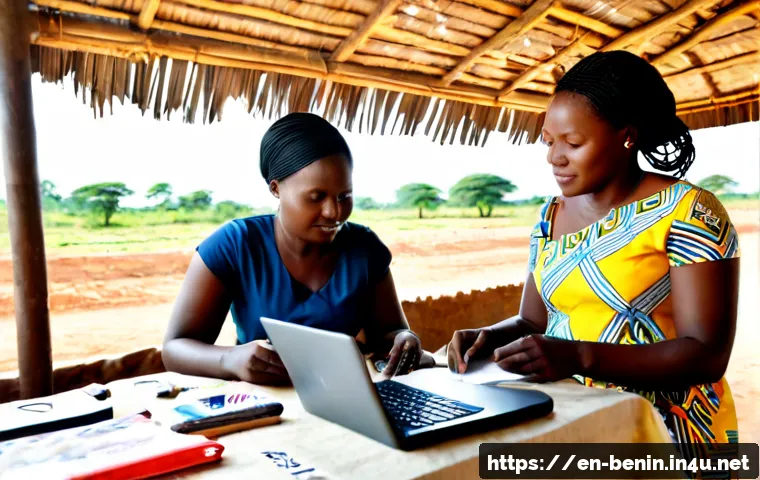
Explore the changes, gaps, and practical ways to assess support initiatives.
Women’s rights in Benin have gained stronger legal recognition and greater public attention, but daily access to education, income, land, safety, healthcare, and leadership can still be uneven. The key question is not only whether rights are recognized, but whether women and girls can use them safely and practically in their own communities. Progress is visible in public commitments to equality, women’s economic activity, and policy attention to representation. Yet rural location, income, age, disability, and informal work can shape very different experiences. For donors, NGOs, and research teams, this makes careful program evaluation more useful than broad campaign claims. The strongest support models usually connect rights awareness with locally relevant economic, safety, and service-access needs.
At a Glance
- Benin recognizes equality before the law and is party to major international women’s rights frameworks, including CEDAW.
- Women play major roles in informal commerce, agriculture, household enterprises, and cross-border trade, but access to assets and services is not equal for everyone.
- Credible gender-equality support should be assessed through local leadership, safeguarding, measurable outcomes, and transparent reporting.
| Decision Area | Policy Commitment | What Lived Access May Depend On | What to Assess |
|---|---|---|---|
| Education | Equality and non-discrimination are recognized in law. | Location, household resources, safety, disability, and family decisions. | Whether support reaches girls at risk of exclusion and addresses transition into skills or work. |
| Income and Work | Women participate widely in economic life. | Informal work conditions, finance access, market opportunities, and unpaid household responsibilities. | Whether an enterprise or livelihoods program fits women’s actual work patterns. |
| Land and Assets | Legal rights may exist in principle. | Local practice, documentation, household power, and access to advice or institutions. | Whether land-rights information is understandable and supported by safe referral options. |
| Safety and Health | Women’s safety and dignity are part of rights-based commitments. | Privacy, service availability, affordability, transport, and fear of retaliation. | Safeguarding procedures, confidential referral pathways, and survivor-centered practice. |
| Political Participation | Participation in elected institutions has received increased policy attention. | Resources, social norms, local networks, and practical access to public decision-making. | Whether participation support goes beyond visibility and builds meaningful influence. |
What Has Changed for Women and Girls in Benin?
Legal recognition and public commitments to equality
Benin’s Constitution recognizes equality before the law and prohibits discrimination. Benin is also a party to major international frameworks on women’s rights, including the Convention on the Elimination of All Forms of Discrimination against Women. These commitments matter because they provide a basis for public policy, advocacy, legal awareness, and institutional accountability.
However, legal recognition is not the same as reliable access. A right can be formally protected while a woman still faces distance from services, limited information, financial constraints, or pressure within a household. Any assessment of social change should therefore distinguish between a written commitment and the practical ability to use that right.
Greater visibility in education, entrepreneurship, and public life
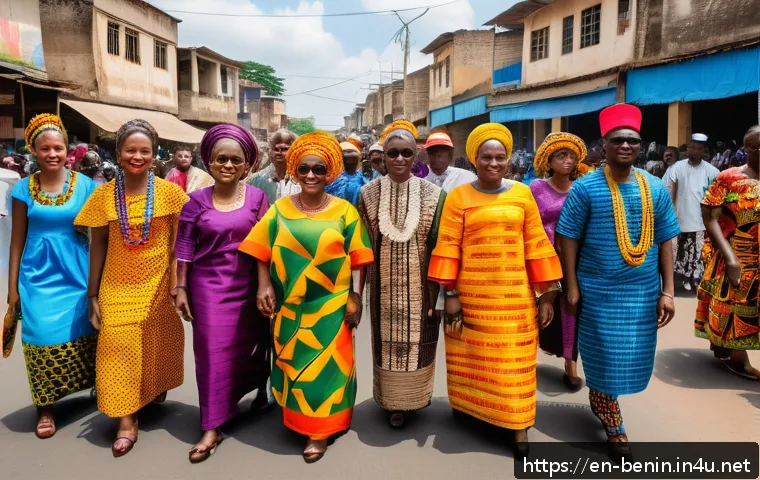
Women in Benin contribute substantially through informal commerce, agriculture, household enterprises, and cross-border trade. Their economic activity is central to many families and communities. Women’s representation in public decision-making has also received increased policy attention, including measures intended to improve participation in elected institutions.
Visibility is useful, but it should not be mistaken for equal opportunity. A woman may be economically active without having secure access to finance, land, formal employment, business information, or protection from exploitation. Similarly, public representation can improve while women in some communities remain excluded from everyday local decisions.
Why progress should not be measured by laws alone
A useful rights analysis asks two questions: What is recognized? and Who can realistically benefit? The answer may differ between an urban entrepreneur, a rural agricultural worker, a young woman entering the labor market, an older trader, or a woman with a disability. Programs that treat all women as one group can overlook the barriers that matter most.
Where Inequality Still Shapes Everyday Life
Education, skills, and the transition to paid work
Access to schooling and skills development can vary by income, location, age, disability, and rural or urban residence. The transition from education into paid work is equally important. Training may have limited value if participants cannot safely travel, use the training language, obtain information about opportunities, or balance care and household responsibilities.
When reviewing a skills or employment initiative, look beyond enrollment. Ask whether participants can complete the program, whether barriers are recorded, and whether the provider tracks outcomes that matter after training. Attendance alone is not evidence of lasting access.
Informal commerce, agriculture, land, and access to finance
Because many women work in informal commerce and agriculture, support should reflect how income is actually earned. A standardized business model may not fit seasonal farming, household enterprises, market trading, or cross-border activity. Land rights and finance access also require careful attention because formal rules, local practice, documentation, and household decision-making can interact in complex ways.
A responsible livelihoods partnership should explain who it intends to reach, how it identifies exclusion risks, and whether women can safely raise concerns. For an NGO partnership or social-impact program evaluation, it is sensible to ask whether services are accessible outside major urban areas and whether local language communication is available.
Safety, family decision-making, and access to support services
Gender-based violence, child marriage, and unequal household power can remain serious barriers to autonomy and safety. The current nationwide prevalence of specific harms should not be assumed without recent verified data. Still, program design should recognize that safety concerns can affect schooling, healthcare, work, mobility, and participation in public life.
Any service that handles sensitive information should have safeguarding standards, privacy protections, clear staff responsibilities, and appropriate referral pathways. A project should not promise protection it cannot provide. It should instead be clear about its role, its limits, and how it responds when a participant needs specialized help.
Comparing Progress: Policy Commitments Versus Real Access
Rights, availability, affordability, and enforcement
Comparing policy with lived access prevents overly simple conclusions. A school, clinic, financial service, legal process, or public consultation may exist, but availability does not automatically mean affordability, safety, accessibility, or respectful treatment. Enforcement can also differ across workplaces, schools, courts, communes, and households.
Urban and rural differences to consider
Urban and rural settings should not be treated as identical. Distance, transport, language access, local markets, service infrastructure, and community networks can affect whether a program works. Within either setting, income level and disability may create additional barriers. Strong local research helps identify these differences before a program is designed or expanded.
Questions to ask before relying on one national statistic
Before using a national figure to make funding or policy decisions, ask when the data was collected, who was included, and whether the result can be broken down by geography, age, disability, or livelihood. Also ask what the statistic cannot show. A single number rarely explains the quality of services, the safety of reporting, or the influence women have over decisions affecting their lives.
How to Evaluate Support Programs Without Overpromising

Check local leadership, consultation, and language accessibility
A credible women’s empowerment program should show how women and community stakeholders shaped its priorities. Local leadership does not mean merely consulting people after key decisions have been made. It means creating meaningful roles in design, delivery, feedback, and review. French may be the official language in Benin, but local language accessibility can be essential for participation and informed consent.
Review safeguarding, referrals, and privacy protections
Safeguarding is not a decorative policy document. Review how concerns can be reported, who receives them, how confidentiality is handled, and what happens if a participant needs referral. Gender-safeguarding training can add value when it is connected to practical procedures, supervision, and accountability rather than delivered as a one-time session.
Look for measurable outcomes, not attendance alone
Useful monitoring should examine changes relevant to the program’s purpose: improved access to information, safer referral use, stronger participation in decisions, or more practical access to education and livelihoods support. The exact results of any organization or project require verification. Transparent monitoring and evaluation should state both achievements and limitations.
Practical Considerations for Donors, NGOs, and Research Partners
When training, monitoring, or local research support may add value
Gender training may be useful when frontline teams need shared safeguarding practice. Monitoring support may help when a program lacks clear indicators or participant feedback systems. Local research services may be valuable before launching an intervention in a new community, particularly where informal work, language, mobility, or household power shapes access.
Budget questions for responsible support
Rather than assuming that a low administration share means a better project, ask how resources are distributed across direct services, staff capability, safeguarding, monitoring, community consultation, and continuity. Exact costs and funding levels should be confirmed with each provider. A budget should be judged by whether it supports safe, realistic, and accountable delivery.
Common mistakes to avoid
Short-term projects can create expectations without building durable local capacity. Other common mistakes include copying an urban model into rural areas, counting participants without measuring access, and failing to provide safe feedback channels. Community accountability should be built into the program, not added only at the end.
Selection Criteria and Comparison Summary
Before choosing a women’s rights partner, training provider, research consultant, or evaluation service, check the following:
- Local relevance: Does the approach reflect the target community, language needs, and women’s actual livelihoods?
- Safe participation: Are safeguarding, privacy, complaint handling, and referral pathways clearly described?
- Meaningful outcomes: Does reporting examine access and change, not only attendance or activities?
- Transparent limits: Does the organization explain what it can and cannot deliver?
- Community accountability: Can participants influence design and safely provide feedback?
For training, monitoring, research, or partnership services, review the provider’s official materials for detailed scope, safeguarding procedures, and reporting conditions.
Conclusion
Women’s rights in Benin should be understood through both legal progress and everyday access. Public commitments, economic participation, and policy attention to representation are important foundations. Yet unequal access to education, assets, safety, healthcare, and decision-making can continue to shape women’s choices. Effective support is specific, locally informed, safely delivered, and honest about what remains to be verified.
Useful Information to Keep in Mind
1. Benin is a West African country where French is the official language alongside widely spoken local languages.
2. Women’s experiences may differ substantially by rural or urban residence, income, age, disability, and type of work.
3. Informal commerce, agriculture, household enterprises, and cross-border trade are important parts of women’s economic participation.
4. Civil society, community leaders, public institutions, and international development partners can all contribute to gender-equality efforts.
Important Notes
Legal protections should not be assumed to be enforced consistently in every commune, workplace, school, court, or household. The effectiveness, geographic reach, funding level, and safeguarding quality of individual organizations or projects require direct verification. Claims about the current prevalence of specific forms of violence or discrimination should rely on recent, credible survey data rather than general assumptions.
Frequently Asked Questions
Q1. What are the main barriers to women’s rights in Benin today?
A1. Barriers can include unequal access to schooling, healthcare, formal employment, land, finance, safety services, and decision-making power. Their impact can differ by location, income, age, disability, and whether a woman lives in a rural or urban area.
Q2. How can donors or NGOs choose a credible women’s empowerment partner in Benin?
A2. Review local leadership, community consultation, language accessibility, safeguarding procedures, privacy protections, referral pathways, and transparent outcome reporting. Ask how the organization adapts its approach to the specific community rather than relying on broad claims.
Q3. Are women’s rights programs more effective when they include income, education, and safeguarding support together?
A3. A combined approach can be practical because education, economic participation, safety, and household decision-making often affect one another. However, effectiveness depends on the program’s design, local context, implementation quality, and whether participants can safely access each component.