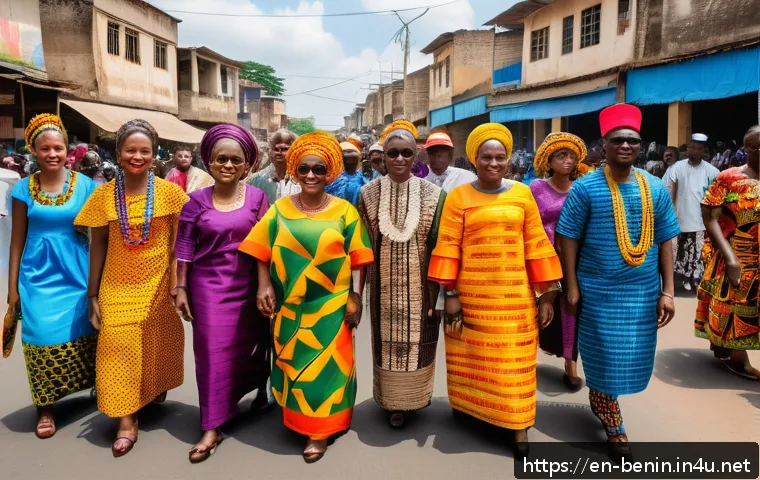
As Benin marks another year of independence, the air buzzes with a unique blend of history and celebration that captivates both locals and visitors alike.
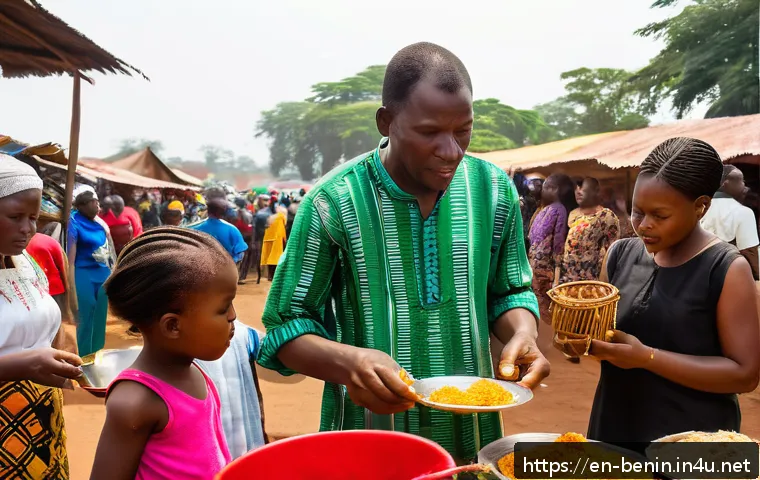
This year’s festivities not only highlight cherished traditions but also showcase the nation’s vibrant cultural tapestry and resilient spirit. With recent developments in community engagement and national pride, the celebrations have taken on even deeper meaning.
Join me as we explore the heart of Benin’s Independence Day, uncovering the rituals, music, and stories that bring this special day to life. Whether you’re a longtime admirer or discovering Benin for the first time, there’s something truly inspiring in the way this nation honors its freedom.
Let’s dive into a journey filled with color, joy, and pride that defines Benin’s identity today.
Vibrant Traditions and Cultural Expressions
Colorful Attire and Symbolism
The streets of Benin come alive with an explosion of color every Independence Day, thanks to the traditional clothing worn by locals and visitors alike.
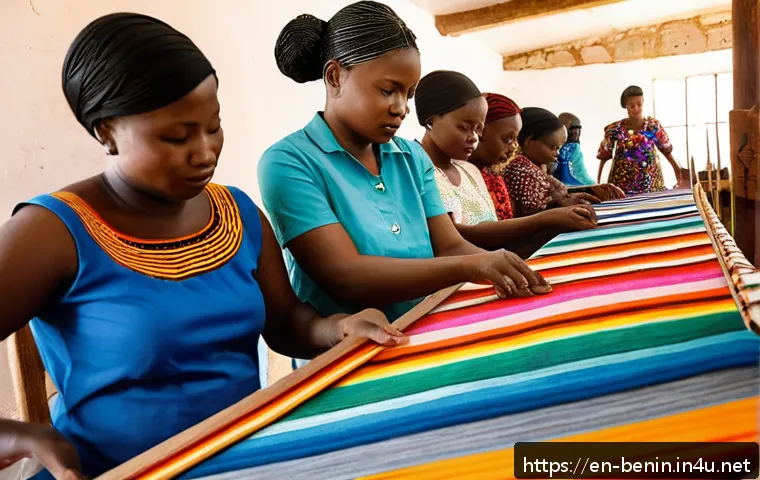
People don outfits made from richly patterned fabrics, such as the iconic wax prints and handwoven textiles that tell stories of heritage and identity.
What I found fascinating is how each pattern or color choice isn’t just about fashion—it carries deep symbolic meaning linked to family lineage, social status, or even historical events.
Walking through the crowd, I noticed elders proudly displaying their ancestral designs while younger generations creatively mix modern styles with traditional elements, creating a vibrant dialogue between past and present.
Music That Echoes History
Music is the heartbeat of Benin’s celebrations, and the air is thick with rhythms that blend centuries-old percussion with contemporary sounds. Drumming ensembles perform traditional pieces that have been passed down through generations, each beat calling people to gather and remember their shared past.
I had the chance to witness a live performance where the energy was contagious; people danced spontaneously, their movements reflecting stories of struggle, triumph, and unity.
The use of indigenous instruments like the gangan (talking drum) and the kora adds layers of cultural depth that make the music not just entertainment, but a powerful form of storytelling.
Rituals and Ceremonial Acts
Independence Day in Benin is steeped in ceremonial practices that remind everyone of the nation’s journey toward freedom. One of the most poignant moments involves the laying of wreaths at monuments honoring national heroes.
This act is more than a formality; it’s a collective vow to uphold the values of independence and resilience. I was moved by the sincerity of the participants—young and old alike—whose expressions revealed pride and a deep sense of responsibility.
Additionally, traditional blessings offered by local spiritual leaders invoke protection and prosperity for the country, linking the celebration to both history and faith.
Community Spirit and National Unity
Grassroots Participation in Festivities
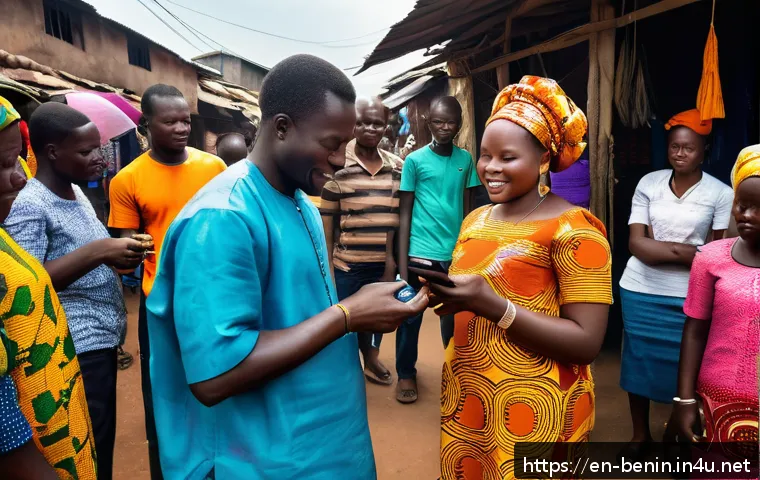
What truly stands out about Benin’s Independence Day is the overwhelming community involvement. Neighborhoods organize their own mini-parades, food fairs, and cultural exhibitions, creating a mosaic of localized celebrations that feed into the larger national event.
I noticed how this grassroots participation fosters a powerful sense of belonging. Families come together to prepare traditional dishes, children rehearse dances, and artisans showcase crafts, all contributing to a collective spirit of joy and pride.
It’s inspiring to see how ordinary citizens turn into cultural ambassadors, sharing their heritage with visitors and neighbors alike.
Educational Initiatives and Youth Engagement
Schools play a significant role in keeping the spirit of independence alive, often hosting events that teach younger generations about the country’s history and values.
I attended a school program where students performed skits depicting key moments from Benin’s fight for freedom, followed by poetry recitals and discussions on civic responsibility.
This hands-on approach not only educates but empowers youth to appreciate their roots and envision their role in the nation’s future. It’s clear that these initiatives are vital for sustaining a long-term sense of patriotism and community pride.
Collaborations with Diaspora Communities
Benin’s independence celebrations also extend beyond its borders, engaging diaspora communities in Europe, North America, and elsewhere. These groups organize cultural nights and livestream events to connect with those back home, reinforcing bonds despite physical distance.
I found it remarkable how technology enables shared experiences, allowing diaspora members to participate in real-time festivities or contribute by sharing stories and resources.
This global connection enriches the celebration, highlighting the universal pride felt by Beninese people worldwide.
Exploring Culinary Heritage on Independence Day
Traditional Dishes That Bring People Together
Food is a central pillar of Benin’s Independence Day, with family gatherings and public feasts featuring beloved dishes that reflect the nation’s diverse culinary landscape.
From spicy grilled fish and akara (bean cakes) to rich peanut stews and freshly harvested yams, the flavors are bold and comforting. I had the pleasure of joining a communal meal where locals eagerly shared recipes and cooking tips, emphasizing how food serves as a bridge between generations and cultures.
The communal nature of these meals fosters warmth and togetherness, making the holiday feel even more special.
Street Food Culture and Festive Markets
Beyond private homes, bustling street markets transform into vibrant hubs where vendors sell snacks and delicacies that capture the spirit of celebration.
I wandered through stalls offering everything from fresh fruit juices to fried plantains, each bite bursting with authentic taste. The lively atmosphere, filled with chatter and laughter, creates a sensory feast that complements the day’s cultural events.
Sampling these treats not only satisfies hunger but also provides a window into everyday life and local traditions.
The Role of Food in Cultural Identity
The significance of culinary heritage on Independence Day goes beyond sustenance; it’s an expression of identity and resilience. Many dishes have roots in historical practices and agricultural traditions that have sustained communities through challenges.
By preparing and sharing these foods during the celebration, Beninese people reaffirm their connection to the land and their ancestors. I found this aspect deeply moving—food becomes a living archive of memory and pride, nourishing both body and spirit.
Showcasing Artistic Innovation and Creativity
Contemporary Art Meets Tradition
Independence Day serves as a platform for artists to showcase works that blend traditional motifs with modern techniques. Galleries and open-air exhibitions feature paintings, sculptures, and textiles that reflect Benin’s evolving cultural narrative.
I visited an exhibit where artists used vibrant colors and bold forms to reinterpret historical themes, creating pieces that resonate with both local and global audiences.
This fusion of old and new underscores the dynamic nature of Benin’s identity, highlighting how creativity can honor heritage while pushing boundaries.
Performance Arts as a Medium of Expression
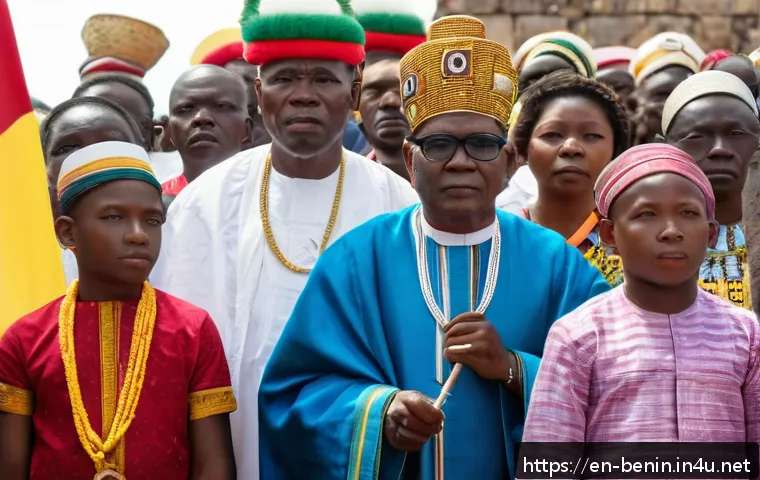
The performing arts scene flourishes during the celebrations, with theater groups and dance troupes presenting original works inspired by independence and social issues.
I attended a performance that combined storytelling, music, and choreography to explore themes of freedom and unity. The passion and skill of the performers were palpable, engaging the audience in a shared emotional journey.
These performances not only entertain but provoke reflection, making the arts a powerful tool for cultural dialogue and education.
Craftsmanship and Handicrafts Market
Artisan markets burst with handmade goods ranging from intricate jewelry to carved wooden masks, each piece telling a story of craftsmanship and tradition.
I had the chance to chat with several artisans who explained how their work preserves ancient techniques while adapting to contemporary tastes. Purchasing these crafts during Independence Day celebrations supports local economies and helps sustain cultural legacies.
It’s always rewarding to see how creativity and entrepreneurship come together to celebrate national pride.
Symbolic Spaces and Historical Landmarks
Monuments That Tell a Story
Throughout the capital and other cities, monuments and statues stand as silent witnesses to Benin’s journey toward independence. These landmarks are focal points during the celebrations, where ceremonies and speeches take place.
Visiting these sites, I was struck by the layers of history embedded in their design and placement. Each monument serves as a reminder of sacrifices made and achievements earned, reinforcing collective memory and inspiring future generations.
Public Squares as Gathering Hubs
Public squares transform into lively venues filled with music, dance, and community activities. These open spaces symbolize freedom and democracy, offering a physical stage for expression and celebration.
I noticed how people from different walks of life mingle freely here, sharing stories and experiences. The squares act as microcosms of national unity, embodying the spirit of Independence Day beyond formal events.
Preserving Heritage Through Urban Planning
Benin’s approach to preserving its historical sites while accommodating modern growth is evident in the cityscape. Efforts to maintain cultural landmarks amid urban development reflect a commitment to honoring the past without hindering progress.
During the celebrations, guided tours and educational programs highlight these preservation efforts, offering insight into how history and modernity coexist.
This balance is crucial for sustaining a vibrant national identity.
Key Elements of Benin’s Independence Day Celebration
| Element | Description | Significance |
|---|---|---|
| Traditional Clothing | Use of colorful wax prints and handwoven fabrics | Represents cultural heritage and social identity |
| Music and Dance | Live drumming, indigenous instruments, and folk dances | Connects people through storytelling and communal joy |
| Community Events | Neighborhood parades, food fairs, and cultural exhibitions | Fosters grassroots participation and national unity |
| Culinary Traditions | Shared meals featuring local dishes like peanut stew and grilled fish | Strengthens bonds and celebrates agricultural heritage |
| Artistic Showcases | Exhibitions and performances blending tradition with innovation | Highlights evolving cultural identity and creative expression |
| Monuments and Public Spaces | Sites for ceremonies and community gatherings | Preserves history and symbolizes freedom |
Expressions of Resilience and Hope
Personal Stories of Independence
Amid the grand celebrations, individual narratives add a deeply human dimension to the day. I met elders who recounted firsthand experiences of the independence movement, sharing memories filled with both hardship and hope.
Their stories personalize history, reminding everyone that freedom was hard-won and must be cherished. Listening to these accounts gave me a profound appreciation for the sacrifices made and the ongoing journey toward a better future.
Inspiring Speeches and Messages
Speeches by community leaders and government officials are a highlight, often blending calls for unity with reflections on progress and challenges. I was impressed by how these addresses manage to be both solemn and uplifting, acknowledging past struggles while motivating citizens to participate actively in nation-building.
The genuine emotion conveyed during these moments creates a shared sense of purpose that resonates long after the events conclude.
The Role of Youth in Shaping Tomorrow
The presence and participation of young people during the celebrations is a testament to their vital role in Benin’s future. Youth-led initiatives, from organizing cultural performances to launching social campaigns, demonstrate a vibrant commitment to sustaining independence’s spirit.
I observed how empowering youth through education and engagement fosters optimism and innovation, ensuring that the legacy of freedom continues to thrive in new and meaningful ways.
Closing Thoughts
Benin’s Independence Day is a vibrant celebration that beautifully intertwines history, culture, and community spirit. Experiencing the colorful traditions, heartfelt stories, and creative expressions reveals the nation’s enduring pride and resilience. It’s a powerful reminder of how cultural heritage and unity continue to shape Benin’s identity today.
Useful Information to Know
1. Traditional clothing during the celebrations carries deep symbolic meaning related to heritage and social status.
2. Music and dance are essential parts of the festivities, connecting people through storytelling and shared joy.
3. Community-driven events like parades and food fairs strengthen national unity and local pride.
4. Culinary traditions play a vital role in bringing people together and preserving cultural identity.
5. Artistic showcases and historical monuments highlight Benin’s evolving culture and collective memory.
Key Takeaways
Benin’s Independence Day is more than a public holiday; it is a living celebration of freedom, culture, and community. The event’s success lies in its inclusive nature, blending traditional customs with contemporary creativity, and involving all generations both locally and globally. From the meaningful attire and rich musical heritage to grassroots participation and youth empowerment, each element reinforces a strong sense of identity and hope for the future. Preserving history through monuments and embracing innovation in the arts further deepen the day’s significance, making it a true reflection of Benin’s resilient spirit.
Frequently Asked Questions (FAQ) 📖
Q: What are the main traditions celebrated during Benin’s Independence Day?
A: Benin’s Independence Day is rich with traditions that reflect its history and culture. Key celebrations include colorful parades featuring traditional dancers in vibrant costumes, drumming sessions that echo ancestral rhythms, and the raising of the national flag accompanied by patriotic songs.
Community gatherings are common, where locals share traditional foods and stories about the country’s journey to freedom. These rituals not only honor the past but also strengthen national unity and pride.
Q: How has community engagement evolved in recent Independence Day celebrations?
A: In recent years, community engagement during Benin’s Independence Day has become more dynamic and inclusive. Local leaders and cultural organizations collaborate to involve youth and marginalized groups, ensuring the celebrations resonate across generations.
Educational workshops and public art projects have been introduced, providing spaces for people to express their pride and learn about Benin’s heritage.
This evolution has made the festivities more interactive, fostering a deeper connection between citizens and their nation.
Q: What makes Benin’s Independence Day celebrations unique compared to other countries?
A: What sets Benin’s Independence Day apart is its seamless blend of historical reverence and vibrant cultural expression. Unlike more formal national events elsewhere, Benin’s celebrations pulse with a joyful energy rooted in traditional music, dance, and storytelling.
The day is not just about political freedom but also about celebrating the resilience and creativity of its people. This combination creates an atmosphere that is both reflective and festive, offering visitors an authentic glimpse into the soul of Benin.