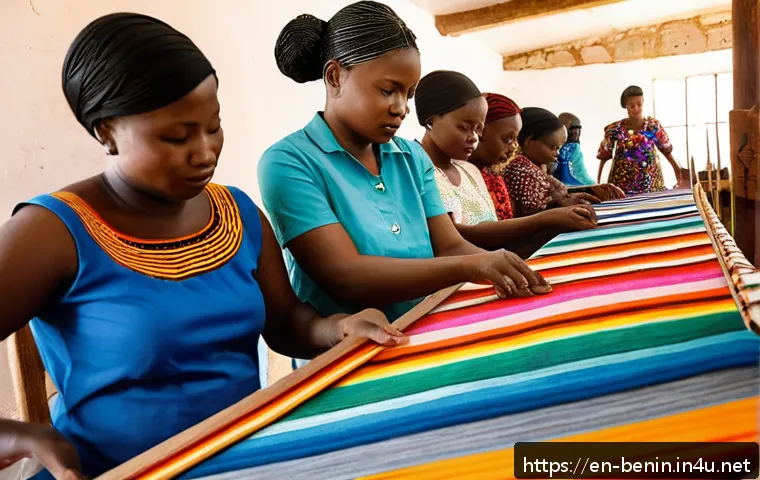
As the global art world increasingly turns its gaze toward Africa, Benin’s dynamic creative scene is capturing attention like never before. From mesmerizing traditional crafts to groundbreaking contemporary works, the country’s artists and writers are redefining cultural expression with bold originality.
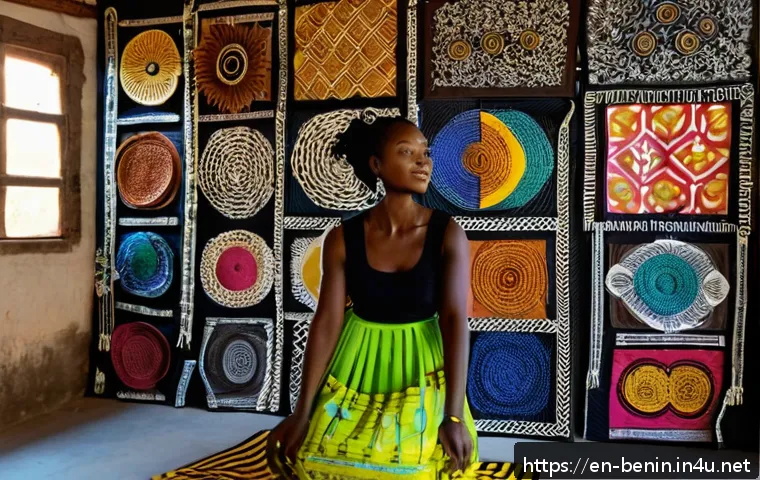
Recently, a surge in international exhibitions and literary festivals has spotlighted Benin’s vibrant talents, making it a hub for fresh artistic dialogue.
If you’ve ever been curious about the stories behind these captivating creations, you’re in the right place. Join me as we dive deep into the lives and works of Benin’s most influential creators, uncovering the rich heritage and modern visions that shape this unique art landscape.
This journey promises to be as inspiring as it is eye-opening.
The Revival of Traditional Craftsmanship in Benin
Preserving Ancestral Techniques
Benin’s artisans have long been revered for their mastery of traditional crafts, ranging from intricate textiles to elaborate metalwork. What fascinates me most is how these creators maintain centuries-old methods while infusing them with contemporary relevance.
For example, the process of weaving Kente cloth, originally a symbol of royalty and spirituality, is still practiced with the same dedication but now incorporates modern color palettes and patterns that appeal to younger generations.
It’s like watching a living heritage evolve, where every thread tells a story passed down through families. From my own visits to workshops in Cotonou, I’ve seen firsthand how artisans balance respect for tradition with a willingness to innovate, ensuring these crafts don’t just survive but thrive in today’s global market.
The Role of Symbolism and Spirituality
What sets Benin’s traditional crafts apart is the deep symbolism embedded in every creation. Masks, statues, and fabrics are not mere decorations but hold spiritual significance tied to Vodun beliefs and local folklore.
When I spoke to several artists, they described their work as a dialogue with ancestors, a way to preserve cultural memory and convey moral lessons. This spiritual dimension adds layers of meaning that resonate beyond aesthetics, inviting viewers to engage with the artwork on a profound level.
It’s truly humbling to realize that each piece is a bridge connecting past and present, material and metaphysical.
Challenges in Modern Preservation
While the preservation of traditional crafts is inspiring, it’s not without its challenges. Many artisans struggle with limited resources and competition from mass-produced goods flooding the market.
Additionally, younger generations are sometimes drawn away from craft traditions by urbanization and the lure of digital careers. Yet, I’ve noticed a growing movement within Benin to support these crafts through government initiatives and international collaborations, which provide training, funding, and platforms for exposure.
This blend of grassroots passion and institutional support seems crucial for sustaining these invaluable cultural treasures.
Emergence of Contemporary Art: Breaking Boundaries
Experimentation with Medium and Message
Benin’s contemporary artists are boldly redefining what African art can be, blending traditional motifs with cutting-edge techniques. Whether through painting, sculpture, or multimedia installations, these creators push boundaries by addressing current social issues, identity, and globalization.
One artist I followed recently uses recycled materials to comment on environmental degradation, while another explores gender and politics through provocative portraits.
Their work doesn’t just decorate galleries; it challenges audiences to rethink stereotypes and engage critically with the world. Experiencing these pieces in person reveals a vibrant energy, a refusal to be confined by old definitions of “African art.”
Global Recognition and Influence
The rise of Benin’s contemporary art scene has attracted attention from prestigious international galleries and biennials. I’ve seen firsthand how artists who once worked primarily for local audiences are now featured alongside global heavyweights, opening doors for cultural exchange and economic opportunity.
This international spotlight also brings challenges, such as navigating the fine line between authenticity and commodification. However, many artists remain committed to their roots, using global platforms to amplify voices from their communities rather than diluting their message.
This dynamic interplay between local and global perspectives enriches the creative output and broadens the impact of Benin’s art on the world stage.
Support Networks and Art Spaces
Behind this surge in contemporary creativity lies an expanding infrastructure of galleries, artist residencies, and cultural centers within Benin. These spaces not only exhibit works but also foster collaboration, mentorship, and experimentation.
I was impressed by a recent visit to a cooperative art studio in Porto-Novo, where emerging artists share resources and critique one another’s work in an atmosphere of mutual encouragement.
Such environments are essential for nurturing talent and sustaining momentum, especially in a country where formal art education opportunities are still developing.
This grassroots support system is a testament to the community’s belief in art as a vehicle for social change and personal expression.
Literary Voices Shaping Benin’s Cultural Narrative
Storytelling Rooted in Oral Traditions
Benin’s literature is deeply intertwined with its rich oral storytelling heritage, which continues to influence contemporary writers. These authors often weave folklore, myths, and proverbs into novels and poetry, creating works that resonate with authenticity and cultural pride.
When I delved into some recent publications, I was struck by how this blending of oral and written forms bridges generations, preserving intangible heritage while addressing modern themes such as migration, identity, and resilience.
The rhythm and cadence of spoken word permeate their prose, making the reading experience immersive and evocative.
Emerging Literary Festivals and Platforms
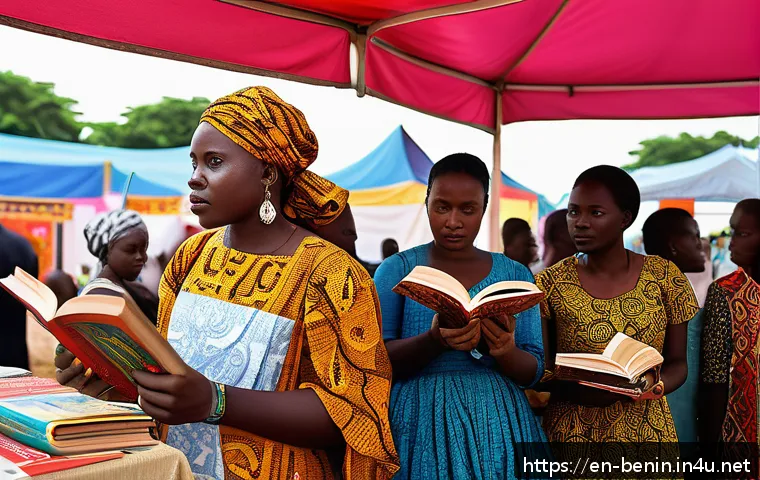
The growth of literary festivals in Benin has been a game-changer for the country’s writers. Events like the International Book Fair of Cotonou offer vital opportunities for authors to showcase their work, engage with readers, and connect with publishers.
I’ve attended a few of these gatherings and found them buzzing with enthusiasm, a real celebration of words and ideas. These festivals also provide spaces for workshops and panel discussions that empower emerging writers, especially women and youth, fostering a more inclusive literary landscape.
It’s exciting to witness this blossoming scene that champions diverse voices and stories.
Cross-Cultural Collaborations and Translations
Benin’s literary talents are increasingly collaborating with writers and translators from around the world, expanding the reach of their stories. Such partnerships help bring Beninese literature to global audiences and encourage cross-cultural dialogue.
I’ve noticed how translated works from Benin often carry the nuances of local language and culture, enriching world literature and offering fresh perspectives.
These collaborations also highlight the universality of human experience, connecting readers across continents through shared narratives of hope, struggle, and joy.
The Intersection of Art and Technology in Benin
Digital Platforms Amplifying Local Artists
Technology is rapidly transforming how Benin’s creatives connect with audiences. Social media and online galleries have become essential tools for artists to showcase their work beyond geographical limits.
From my experience following Beninese artists on Instagram and YouTube, it’s clear that digital presence boosts visibility and opens up sales channels previously unavailable.
This democratization of art access allows even emerging talents in remote areas to reach collectors and fans worldwide, bypassing traditional gatekeepers.
The digital shift is also fostering new forms of art, such as digital painting and virtual exhibitions, pushing the envelope of creative expression.
Innovations in Art Production
Some artists in Benin are experimenting with technology not just for promotion but as a medium itself. I’ve encountered projects involving augmented reality, 3D printing, and interactive installations that merge traditional themes with futuristic aesthetics.
These innovations invite viewers to engage with art in novel ways, blurring lines between creator and audience. It’s inspiring to see how the integration of technology breathes new life into cultural motifs and challenges conventional notions of artistic practice.
Challenges and Opportunities in the Digital Era
Despite the exciting possibilities, the digital transformation comes with hurdles. Limited internet infrastructure and access disparities in Benin mean not all artists can fully capitalize on online platforms.
Moreover, issues of digital piracy and copyright protection pose risks to creators’ livelihoods. However, initiatives aimed at improving digital literacy and infrastructure are underway, signaling a hopeful future.
From what I’ve observed, those who embrace technology thoughtfully tend to find innovative ways to overcome obstacles, making the digital era a promising chapter in Benin’s artistic evolution.
Economic Impact and Global Market Trends
Art as a Driver of Economic Growth
The burgeoning art scene in Benin is increasingly recognized as a significant contributor to the local economy. Galleries, craft markets, and cultural tourism generate income and create jobs, supporting families and communities.
During my visits to art districts, the vibrancy and entrepreneurial spirit were palpable, with artists and artisans not only creating but also actively engaging in sales and marketing.
This economic empowerment fosters sustainability for creatives who might otherwise struggle in precarious conditions. It’s a powerful reminder that art is not just cultural capital but also a vital economic resource.
International Demand and Pricing Dynamics
Global interest in African art, including Beninese works, has driven up demand and prices, attracting collectors and investors. While this trend benefits artists financially, it also introduces complexities around valuation and authenticity.
I’ve talked to gallery owners who emphasize the importance of provenance and fair representation to avoid exploitation. Balancing commercial success with artistic integrity remains an ongoing negotiation.
Still, the increased visibility on the world stage is a positive development, opening pathways for Benin’s artists to gain recognition and financial stability.
Comparative Overview of Art Market Segments
| Segment | Main Characteristics | Market Reach | Economic Impact |
|---|---|---|---|
| Traditional Crafts | Handmade, culturally significant, labor-intensive | Local and tourist markets, growing international interest | Supports rural livelihoods, preserves heritage |
| Contemporary Art | Innovative, socially engaged, diverse media | International galleries, biennials, collectors | Drives urban cultural economy, attracts investment |
| Literature | Oral tradition inspired, multilingual, thematic diversity | National festivals, global publishers, translations | Promotes cultural dialogue, education, tourism |
| Digital Art & Media | Tech-driven, interactive, emerging formats | Online platforms, social media, virtual exhibitions | Expands audience, creates new revenue streams |
Community and Cultural Identity in Artistic Expression
Art as a Reflection of Social Realities
Benin’s artists frequently draw inspiration from their immediate environments, using creativity as a mirror to reflect societal issues such as poverty, migration, and environmental challenges.
I recall attending a community art project where local youth collaborated with artists to express their hopes and frustrations through murals and performances.
This participatory approach empowers communities, giving voice to often marginalized perspectives. The authenticity and rawness of these expressions make the art deeply relatable and impactful, fostering empathy and dialogue.
Celebration of Diversity and Heritage
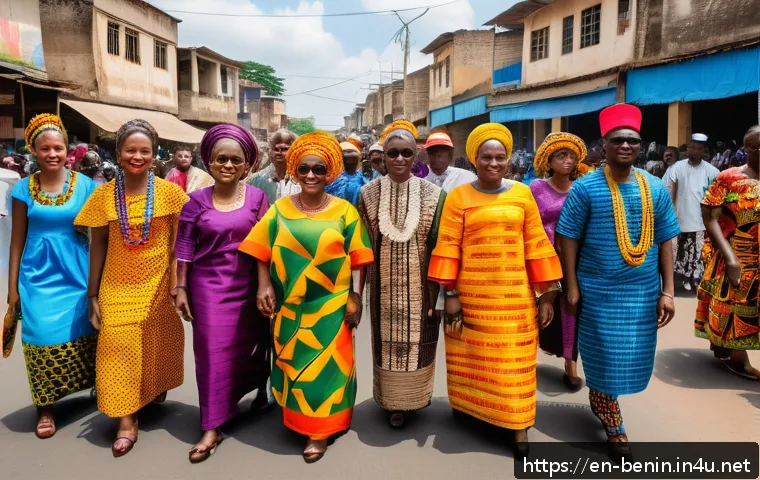
The country’s ethnic and cultural diversity is richly represented in its art forms, celebrating the unique traditions of groups such as the Fon, Yoruba, and Bariba.
Artists incorporate motifs, languages, and rituals from their heritage, creating a tapestry of cultural narratives that coexist and interact. From what I’ve learned, this inclusivity strengthens national identity while promoting respect for pluralism.
It’s a beautiful reminder that art can be a unifying force, honoring differences while weaving a shared story.
Educational Role of the Arts
Art in Benin also serves an educational purpose, preserving history and teaching values to younger generations. Museums, cultural centers, and schools integrate artistic activities that engage children and youth, fostering creativity and cultural pride.
I’ve witnessed workshops where elders teach traditional crafts alongside storytelling sessions, creating intergenerational bonds. This holistic approach to education through art nurtures not only skills but also a sense of belonging and responsibility toward cultural preservation.
The Role of Women in Benin’s Creative Renaissance
Breaking Barriers and Shaping Narratives
Women in Benin’s art and literary scenes are emerging as powerful voices, challenging traditional gender roles and advocating for equality. From painters to poets, many women use their platforms to highlight issues such as domestic violence, education, and empowerment.
I’ve been moved by the courage and authenticity of these creators who refuse to be sidelined. Their work often blends personal experience with broader social critique, enriching the cultural dialogue with perspectives that were historically underrepresented.
Building Networks and Support Systems
To overcome systemic obstacles, women artists and writers have formed collectives and associations that provide mentorship, resources, and advocacy. These networks are crucial for sharing knowledge and creating opportunities in a competitive field.
I attended a panel discussion where female creatives shared strategies for navigating the art world, from securing funding to gaining visibility. Their solidarity and determination are inspiring, signaling a transformative shift toward greater inclusion and recognition.
Impact on Future Generations
The presence of strong female role models in Benin’s creative sectors is inspiring a new generation of girls and young women to pursue artistic careers.
Programs targeting youth development emphasize leadership and creativity, nurturing talents from an early age. I’ve seen workshops where girls experiment with visual arts and writing, encouraged to express themselves freely.
This investment in the future promises to sustain and diversify Benin’s vibrant cultural landscape for years to come.
Conclusion
Benin’s artistic landscape beautifully intertwines tradition and innovation, showcasing a vibrant cultural resurgence that honors the past while embracing the future. Through dedicated artisans, bold contemporary creators, and passionate literary voices, the country’s heritage is both preserved and reimagined. This dynamic fusion not only enriches Benin’s identity but also positions its art scene as a meaningful contributor to global culture and economy. Witnessing this evolution firsthand reveals a powerful story of resilience, creativity, and community spirit.
Useful Information to Keep in Mind
1. Traditional crafts in Benin remain deeply connected to ancestral knowledge, often involving symbolic and spiritual elements that enrich their cultural value.
2. Contemporary Beninese artists are redefining African art by blending heritage with modern themes and innovative techniques, gaining international recognition.
3. Literary festivals and cross-cultural collaborations are vital platforms that amplify Benin’s diverse storytelling traditions and promote global engagement.
4. Digital tools and platforms have become essential for artists to reach wider audiences and explore new creative possibilities, despite infrastructure challenges.
5. Women play a crucial role in Benin’s creative revival, breaking barriers and inspiring future generations through collective support and empowerment initiatives.
Key Takeaways
Benin’s creative renaissance is driven by a delicate balance between honoring time-honored traditions and embracing contemporary innovation. Strong community networks and institutional support are essential for sustaining artistic growth. Economic opportunities arising from both local markets and global interest highlight art’s role as a powerful driver of cultural identity and social change. Moreover, the intersection of art, technology, and education fosters inclusivity and nurtures emerging talents, ensuring the country’s vibrant heritage continues to thrive in a rapidly evolving world.
Frequently Asked Questions (FAQ) 📖
Q: uestionsQ1: What makes Benin’s art scene stand out on the global stage?
A: Benin’s art scene is uniquely vibrant because it blends deep-rooted traditional crafts with innovative contemporary expressions. Artists here don’t just preserve heritage; they reinvent it with bold originality, creating works that resonate globally while staying true to their cultural identity.
This fusion has drawn international galleries and festivals to spotlight Benin, making it an exciting hub where history meets modern creativity.
Q: How can I experience Benin’s art and cultural events if I’m not in
A: frica? A2: Thanks to the rise of international exhibitions and literary festivals featuring Beninese artists, many of their works are accessible worldwide through traveling shows, online galleries, and virtual events.
Following major museums, cultural institutions, and online platforms that focus on African art can keep you updated. Additionally, some artists have active social media profiles where they share their latest projects and behind-the-scenes stories, making it easier than ever to connect with Benin’s dynamic creative scene remotely.
Q: Who are some influential artists or writers from Benin that I should know about?
A: Benin boasts a rich roster of creative talents. For instance, artists like Romuald Hazoumè, known for his provocative mixed-media works, challenge social and political themes with striking visuals.
On the literary side, writers such as Olympe Bhêly-Quenum have made significant contributions by weaving local narratives into broader African literature.
Exploring their work offers a gateway into Benin’s cultural landscape, revealing how tradition and modernity coexist and inspire.