
In today’s interconnected world, opportunities to build a global career are more accessible than ever, even from places like Benin. With the rise of remote work and international hiring, leveraging your local expertise can open doors to exciting roles across the globe.
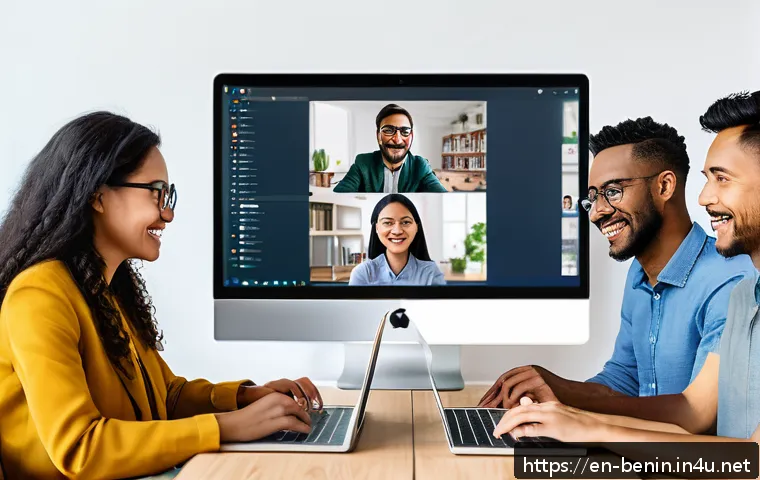
Navigating this journey requires understanding how to blend your unique skills with global demands, and that’s exactly what we’ll explore. Whether you’re aiming for multinational companies or startups abroad, unlocking these pathways can transform your professional life.
Let’s dive into practical strategies that can help you stand out and secure international positions while staying rooted in your local strengths.
Building a Strong Personal Brand for International Opportunities
Understanding Your Unique Value Proposition
Crafting a compelling personal brand starts with recognizing what makes you stand out in a global job market. For someone based in Benin, this means highlighting local expertise that resonates internationally.
For example, if you have experience in sectors like agriculture technology, renewable energy, or regional trade, framing these skills in a way that appeals to global employers can be a game-changer.
Emphasize not only technical abilities but also cultural insights and adaptability. When recruiters see that you bring both specialist knowledge and a fresh perspective, you immediately become more attractive.
Leveraging Online Platforms to Showcase Your Skills
LinkedIn, personal websites, and even platforms like GitHub or Behance, depending on your field, are critical for establishing a global presence. Consistency in messaging across these channels builds trust and authority.
Don’t just list your roles; share stories of challenges you’ve overcome and results you’ve delivered. Regularly engaging with international groups or forums related to your industry helps broaden your network organically.
From my experience, a well-crafted LinkedIn profile with endorsements and recommendations from international colleagues has opened doors that traditional applications couldn’t.
Creating Content to Amplify Your Expertise
Writing blog posts, recording short videos, or participating in webinars can position you as a thought leader beyond your local environment. Even simple insights into how local markets operate or innovative projects you’ve contributed to can attract attention worldwide.
This content doesn’t have to be perfect—authenticity often wins over polished but generic posts. Sharing your journey and lessons learned gives your profile a human touch that resonates deeply with recruiters and hiring managers seeking genuine candidates.
Mastering Remote Work Skills for Global Roles
Communication Skills Across Cultures
Remote roles demand not only technical proficiency but also strong communication skills tailored to diverse teams. Understanding different communication styles—whether direct or indirect, formal or casual—helps avoid misunderstandings.
I’ve found that explicitly confirming expectations and using video calls instead of emails for complex topics reduces friction. Practicing empathy and patience when working across time zones can also foster stronger collaboration and trust among international colleagues.
Time Management and Self-Discipline
Being physically distant from your team means you must be disciplined about your workflow and deadlines. Using tools like Trello, Asana, or Google Calendar to organize your tasks and communicate progress is essential.
I remember early on struggling with distractions when working from home, but setting strict routines and creating a dedicated workspace made a noticeable difference.
Employers value candidates who demonstrate reliability and the ability to self-motivate without constant supervision.
Technical Setup and Cybersecurity Awareness
Ensuring your technology infrastructure supports smooth remote work is non-negotiable. High-speed internet, quality audio/video equipment, and familiarity with collaboration software like Slack or Zoom are basics.
Equally important is understanding cybersecurity best practices—using VPNs, secure passwords, and recognizing phishing attempts protects both you and your employer.
These skills show professionalism and responsibility, boosting your chances of landing global remote positions.
Networking Beyond Borders: Building Meaningful Connections
Joining International Professional Associations
Many industries have associations that offer memberships worldwide, providing access to conferences, workshops, and exclusive job boards. Participating actively, whether through attending virtual events or contributing to discussions, can help you meet influencers and decision-makers in your field.
When I joined an international marketing association, I not only learned cutting-edge strategies but also gained referrals that led to freelance contracts abroad.
Using Social Media Strategically
Social media platforms can be powerful tools if used thoughtfully. Instead of random follows or likes, focus on engaging with content posted by global leaders and companies you admire.
Commenting with insightful questions or sharing relevant articles can increase your visibility. I’ve noticed that recruiters sometimes reach out after seeing thoughtful interactions rather than just passive profiles.
Consistent and authentic engagement helps build rapport over time.
Attending Virtual Career Fairs and Webinars
The pandemic accelerated virtual recruitment, and many companies continue to use online fairs to scout talent worldwide. Preparing for these events includes researching participating organizations, tailoring your elevator pitch, and having your digital portfolio ready.
It’s also an opportunity to ask questions directly, demonstrating your enthusiasm and preparedness. From personal experience, following up promptly after such events often opens further conversations leading to interviews.
Aligning Local Expertise with Global Industry Trends
Identifying High-Demand Skills Worldwide
Staying informed about which skills are sought after globally helps you tailor your professional development. For instance, tech skills like data analysis, cloud computing, and digital marketing are universally valued.
However, coupling these with knowledge of regional challenges or market specifics from Benin can make you uniquely competitive. I’ve seen peers combine coding skills with local agricultural insights to land roles in agri-tech startups across Europe and North America.
Investing in Continuous Learning and Certifications
Online platforms like Coursera, Udemy, and LinkedIn Learning offer affordable ways to gain certifications recognized internationally. Pursuing these credentials signals commitment and keeps your skills fresh.
Personally, completing a project management certification online not only boosted my confidence but was a decisive factor when applying to multinational corporations.
It’s worth choosing courses aligned with your career goals and industry standards.
Adapting to Emerging Technologies and Work Models
The pace of change means being open to learning new tools and embracing flexible work models such as gig economy roles or hybrid setups. Understanding how blockchain, AI, or automation impact your field can give you an edge.
I recommend subscribing to relevant newsletters and joining tech forums to stay ahead. This proactive approach often leads to spotting job openings before they become widely advertised.
Crafting Effective Applications for International Employers
Customizing Resumes and Cover Letters
A one-size-fits-all approach rarely works with global job applications. Tailoring your resume to highlight experiences that match the specific role and country norms is crucial.
For example, some countries prefer concise resumes, while others appreciate more detailed portfolios. Cover letters should address the company’s values and how you can contribute uniquely.
I remember rewriting my cover letter multiple times for a single position, and that extra effort resulted in an interview invite.
Demonstrating Cultural Fit and Soft Skills
International employers look for candidates who not only have technical skills but also fit their organizational culture. Showcasing adaptability, teamwork, and problem-solving abilities through examples can set you apart.
During interviews, sharing stories about collaborating with diverse teams or handling cross-cultural challenges adds credibility. From my experience, hiring managers often remember these narratives more than technical jargon.
Preparing for Virtual Interviews
Virtual interviews require specific preparation, such as testing your equipment, choosing a quiet and professional background, and practicing clear communication.
Researching the company’s culture and preparing thoughtful questions demonstrate genuine interest. I once scheduled a mock interview with a mentor to simulate the experience, which helped reduce anxiety and improve my responses significantly.
Understanding Visa and Work Authorization Challenges
Researching Visa Requirements by Country
Every country has unique visa rules that can impact your job search strategy. Some nations offer special programs for remote workers or tech talent, while others require employer sponsorship.
Gathering accurate, up-to-date information from official government websites or trusted immigration consultants is essential. Knowing these details early helps avoid wasted effort on applications that aren’t feasible.
Partnering with Employers Offering Sponsorship
Targeting companies known for supporting international hires can simplify the process. Multinational corporations or startups with global teams often have established procedures for work permits.
When applying, clearly express your willingness to navigate visa processes and highlight how you can add value despite potential administrative hurdles.
I’ve seen candidates secure roles by demonstrating flexibility and proactive communication about these issues.
Exploring Remote Work as a Gateway
Remote positions can sometimes bypass visa complications altogether, allowing you to work for foreign companies from Benin. This setup offers flexibility but requires discipline and strong self-management skills.
Additionally, working remotely can build your international experience and networks, potentially leading to on-site opportunities later. For many, this has become a practical stepping stone into global careers.
Financial and Logistical Considerations for International Careers
Understanding Salary Expectations and Cost of Living
When negotiating international roles, it’s important to research typical salary ranges and compare them against living expenses in your target location.
Websites like Numbeo or Expatistan provide valuable data. Sometimes a higher salary in one country may not translate to better purchasing power due to taxes or housing costs.
I’ve found that discussing these details with peers who have relocated helps set realistic expectations.
Managing Currency Exchange and Payment Methods
Receiving payments from overseas employers can involve fees and delays depending on the method used. Options include international bank transfers, PayPal, or emerging fintech solutions like Wise or Payoneer that offer better rates and faster transfers.
Choosing the right platform can significantly impact your net income. From my experience, setting up multiple payment channels ensures flexibility and security.
Planning for Relocation and Cultural Adjustment
If your goal is to eventually move abroad, thorough planning is crucial. This involves researching housing, healthcare, schooling if applicable, and social norms.
Cultural adjustment can be challenging, so connecting with local expatriate communities or mentors eases the transition. I recall feeling overwhelmed initially, but engaging with others who had made similar moves provided invaluable support and practical tips.
| Aspect | Key Tips | Recommended Resources |
|---|---|---|
| Personal Branding | Highlight unique local expertise, create authentic content, maintain consistent online presence | LinkedIn, Personal Website, Industry Blogs |
| Remote Work Skills | Master cross-cultural communication, manage time efficiently, ensure technical readiness | Trello, Zoom, Cybersecurity Guides |
| Networking | Join professional associations, engage on social media, attend virtual events | LinkedIn Groups, Industry Associations, Virtual Career Fairs |
| Application Strategy | Customize resumes/cover letters, showcase cultural fit, prepare for virtual interviews | Job Portals, Interview Prep Websites, Company Career Pages |
| Visa & Work Authorization | Research visa rules, target employers with sponsorship, consider remote roles | Government Immigration Sites, Immigration Consultants, Remote Job Boards |
| Financial & Logistical Planning | Understand salary vs. cost of living, manage payments efficiently, plan relocation carefully | Numbeo, Wise, Expat Forums |
Conclusion
Building a strong personal brand and mastering remote work skills are essential steps toward unlocking international career opportunities. By aligning your local expertise with global trends and networking strategically, you can stand out in a competitive job market. Remember, adaptability and continuous learning are your greatest assets in this journey. Embrace these approaches with confidence to expand your professional horizons worldwide.
Helpful Information
1. Define your unique strengths clearly to create a memorable personal brand that appeals internationally.
2. Use online platforms like LinkedIn consistently to showcase your skills and engage with global communities.
3. Develop strong cross-cultural communication and time management skills to thrive in remote roles.
4. Customize your job applications to reflect cultural expectations and demonstrate your fit with the company.
5. Research visa requirements early and consider remote work as a practical entry point into global employment.
Key Takeaways
Establishing a personal brand that highlights both your technical expertise and cultural adaptability is crucial for international success. Leveraging digital tools and creating authentic content enhances your visibility and credibility. Effective remote work requires disciplined time management, solid communication skills, and cybersecurity awareness. Networking beyond borders opens doors to new opportunities, while tailoring applications to specific roles increases your chances of selection. Lastly, understanding visa processes and financial logistics ensures smoother transitions when pursuing global careers.
Frequently Asked Questions (FAQ) 📖
Q: How can I leverage my local expertise to attract international employers?
A: Start by identifying the unique skills and experiences that set you apart in your local market—whether it’s deep cultural knowledge, language skills, or specialized industry expertise.
Highlight these in your resume and online profiles, emphasizing how they add value in a global context. For example, if you’ve managed projects in Benin’s growing tech sector, explain how that experience gives you insights into emerging markets that multinational companies want to tap into.
Sharing success stories and quantifiable results also helps build credibility and shows you’re ready for international challenges.
Q: What are the best ways to find remote or international job opportunities from Benin?
A: Exploring global job boards like LinkedIn, Remote.co, and We Work Remotely is a great start, but don’t stop there. Join industry-specific online communities and professional groups where international recruiters often post openings.
Networking is key—reach out to professionals working abroad or in companies you admire to learn about unadvertised roles. Additionally, consider improving your digital presence with a personal website or portfolio that showcases your skills and projects.
Tailoring your applications to each company’s needs and demonstrating cultural adaptability can significantly boost your chances.
Q: How can I prepare for cultural differences when working with international teams?
A: Embracing cultural differences begins with active listening and curiosity. Take time to learn about your colleagues’ communication styles, work habits, and holiday calendars to avoid misunderstandings.
For instance, some cultures value direct feedback, while others prefer a more diplomatic approach. Being flexible and open-minded helps build trust and smooth collaboration.
Also, clarifying expectations early on—such as deadlines, meeting etiquette, and decision-making processes—can prevent confusion. From my experience, showing genuine respect for diverse perspectives not only enriches your work but also makes you a valued global team member.