Benin’s trade landscape is evolving rapidly, reflecting its growing role in West Africa’s economic network. With agriculture and cotton as key exports, the country is actively expanding its international partnerships to boost development and regional integration.
Increasing foreign investments and trade agreements are opening new doors, offering promising opportunities for sustainable growth. Understanding Benin’s strategic moves in global commerce reveals much about its future potential and challenges.
Let’s dive into the details and uncover what drives Benin’s trade and international economic cooperation!
Expanding Export Horizons Beyond Agriculture
Shifting Focus from Traditional Crops
Benin’s economy has long relied heavily on agriculture, with cotton standing as the flagship export commodity. However, there’s a noticeable shift toward diversifying the export basket.
This strategic move aims to reduce vulnerability to price fluctuations in global cotton markets and to tap into emerging opportunities. For instance, the government and private sector are increasingly promoting cashew nuts, shea butter, and pineapples, which have shown promising demand in European and Asian markets.
Personally, I’ve seen traders and exporters express growing confidence in these alternative products, which not only enhance income streams but also create new jobs for rural communities.
Value Addition and Agro-Processing Initiatives
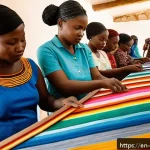
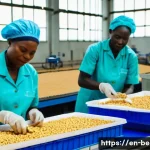
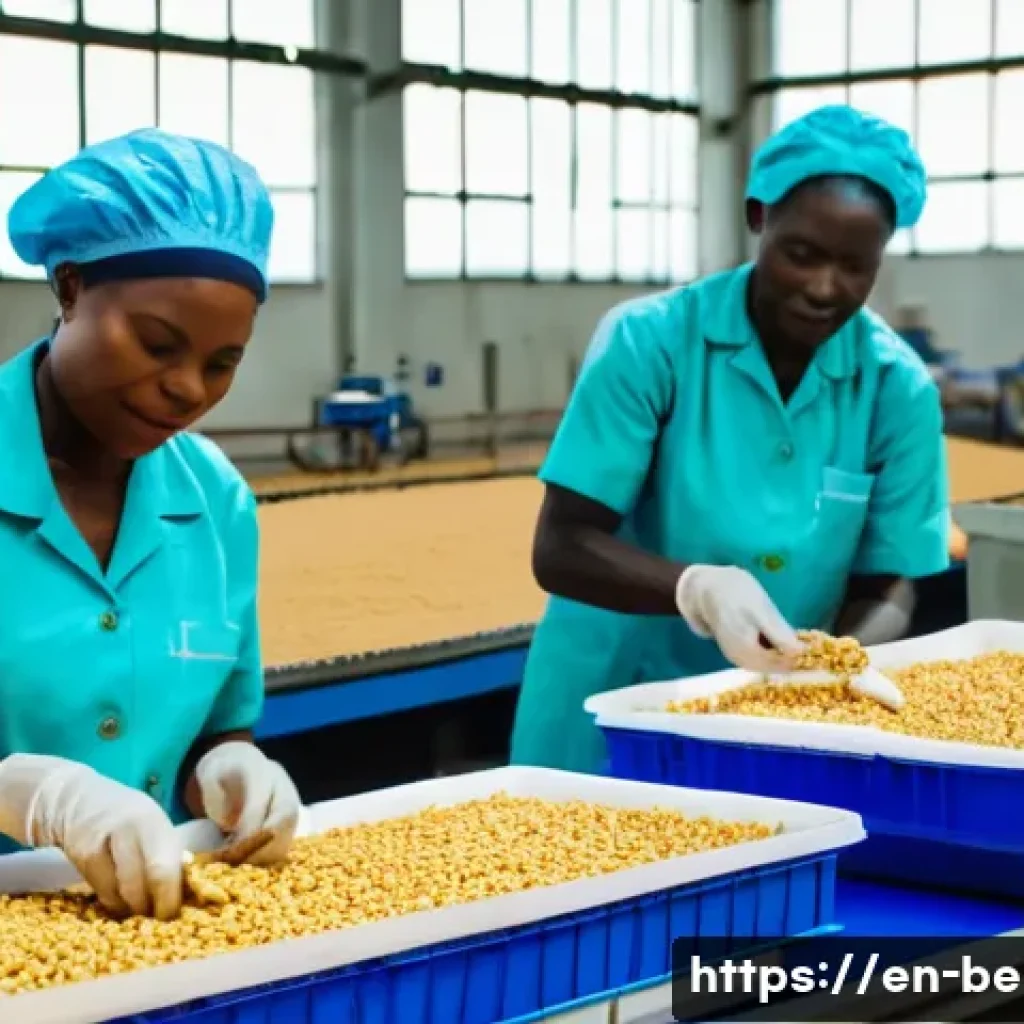
One of the most encouraging trends is the push for agro-processing to add value locally before export. Rather than shipping raw cotton or nuts, Benin is investing in facilities that can produce yarn, textiles, and packaged food products.
This transition is crucial because it captures more economic benefits within the country, improves export quality, and meets stricter international standards.
From conversations with industry insiders, the biggest challenge remains infrastructure and skilled labor availability. Still, pilot projects in agro-industrial parks demonstrate tangible progress, suggesting a more resilient and competitive export sector on the horizon.
Trade Partnerships Fueling Export Growth
Benin’s efforts to broaden export markets are supported by expanding trade agreements and regional cooperation. Being a member of ECOWAS (Economic Community of West African States) provides Benin with tariff advantages and access to a large consumer base.
Additionally, bilateral agreements with countries like China, India, and the European Union help open doors for both raw and processed goods. I’ve noticed that these partnerships often come with technical assistance and capacity-building programs, which are vital for sustaining export growth and meeting compliance requirements in international markets.
Foreign Direct Investment and Infrastructure Development
Inflow of Capital to Strategic Sectors
Benin is gradually becoming a magnet for foreign direct investment (FDI), especially in sectors like energy, transportation, and manufacturing. This influx is partly due to improved political stability and reforms aimed at creating a business-friendly environment.
From my experience following investment trends, the establishment of special economic zones has attracted multinational companies seeking cost-efficient production bases in West Africa.
These investments not only bring capital but also transfer technology and management expertise, which are crucial for long-term economic development.
Transport and Logistics Enhancements
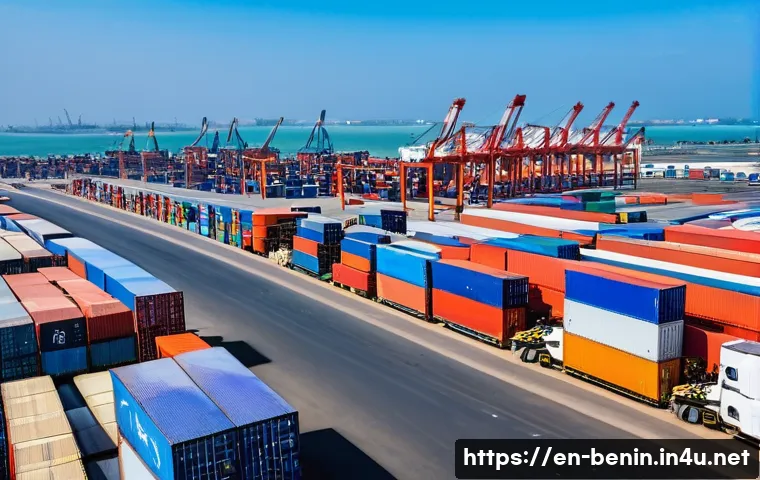
Efficient transport infrastructure is the backbone of any thriving trade economy, and Benin is no exception. The modernization of the Port of Cotonou, which serves as a key transit hub for neighboring landlocked countries like Niger and Burkina Faso, is a game changer.
The port upgrades include better cargo handling equipment, digital customs clearance systems, and expanded storage facilities. On the ground, road and rail projects are underway to improve connectivity between production zones and export points.
I’ve heard from logistics operators that these improvements reduce delays and costs, making Benin a more attractive trade partner regionally and globally.
Energy Sector Investments Boosting Industrial Growth
Reliable energy supply has historically been a constraint for industrial growth in Benin. However, recent foreign investments in renewable energy and power generation have started to change the game.
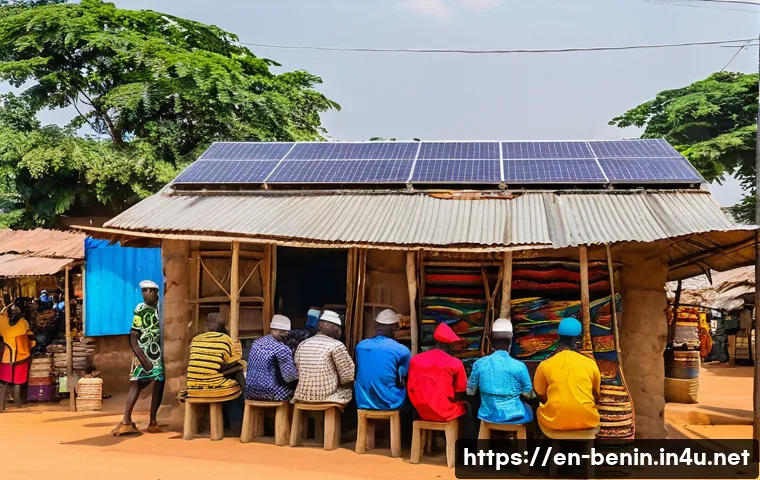
Solar and mini-hydro projects are not only helping to meet domestic demand but also aiming to support export-oriented industries. Through discussions with local entrepreneurs, it’s clear that stable energy access is enhancing productivity and attracting more investors.
This progress signals a positive outlook for Benin’s industrial and trade sectors, as energy reliability is often a make-or-break factor for competitiveness.
Regional Integration and Economic Cooperation
ECOWAS: The Regional Trade Framework
As a committed member of ECOWAS, Benin benefits from the free movement of goods, services, and people across West Africa. This integration facilitates cross-border trade, allowing Beninese exporters to tap into a market of over 350 million people.
From my observations, small and medium enterprises (SMEs) have particularly gained from simplified customs procedures and reduced tariffs. However, non-tariff barriers still pose challenges, such as inconsistent regulations and infrastructure gaps at border posts.
Addressing these issues remains critical to fully harnessing regional integration’s trade potential.
Collaboration on Cross-Border Projects
Beyond trade agreements, Benin actively engages in joint projects with neighboring countries to boost regional connectivity. Examples include shared road networks, energy interconnections, and joint border facilities.
These initiatives streamline trade flows and reduce costs associated with delays and bureaucratic hurdles. I’ve met regional policymakers who emphasize that such collaboration fosters trust and economic resilience, especially in a region where political stability can vary.
This cooperative spirit is essential for creating a seamless West African market.
Challenges in Harmonizing Policies
While regional integration offers many opportunities, Benin and its neighbors face hurdles in aligning policies and regulations. Differences in customs procedures, standards, and taxation can slow down trade and increase costs.
From real-world experiences shared by traders, these inconsistencies often require navigating complex paperwork and informal payments, undermining the benefits of free trade agreements.
Continuous dialogue and capacity-building within ECOWAS aim to tackle these issues, but progress is gradual and requires sustained commitment from all member states.
Emerging Digital Trade and E-Commerce Trends
Growth of Digital Payment Systems
Benin’s trade ecosystem is gradually embracing digital technologies, especially in payments and financial services. Mobile money platforms and digital wallets have become more widespread, allowing merchants and consumers to transact more conveniently and securely.
I recall speaking with local business owners who highlight how digital payments reduce reliance on cash, increase transparency, and speed up transactions.
This digital shift not only facilitates domestic commerce but also eases cross-border trade by simplifying currency exchanges and reducing fraud risks.
E-Commerce Platforms and Market Access
Although still in its infancy, e-commerce is gaining momentum in Benin. Online marketplaces and social media-based selling channels are helping entrepreneurs reach customers beyond traditional physical markets.
The COVID-19 pandemic accelerated this trend, pushing many businesses to adopt digital sales channels. From my perspective, the biggest barrier remains internet access and delivery logistics, especially in rural areas.
However, partnerships with regional courier services and telecom companies are gradually improving the ecosystem, opening new avenues for small-scale exporters and artisans.
Government Initiatives Supporting Digital Trade
Recognizing the potential of digital trade, the Beninese government has launched initiatives to enhance ICT infrastructure and digital literacy. Programs focused on training young entrepreneurs and improving broadband connectivity are vital components of this strategy.
From conversations with tech experts, these efforts aim to create an enabling environment for innovation and e-commerce growth. The synergy between public policies and private sector innovation is crucial for transforming Benin into a more digitally integrated trading nation.
Trade Data and Economic Indicators at a Glance
| Indicator | Value | Remarks |
|---|---|---|
| Primary Export Commodities | Cotton, Cashew Nuts, Shea Butter | Shift towards diversification |
| Major Export Destinations | EU, China, India, West African Neighbors | Strong regional and global ties |
| FDI Inflows (Latest Year) | Approx. $500 million | Focused on energy, transport, manufacturing |
| Port of Cotonou Throughput | ~15 million tons/year | Key regional transit hub |
| ECOWAS Market Size | 350+ million people | Free trade zone benefiting Benin |
| Internet Penetration | ~45% | Growing but with rural gaps |
Environmental Sustainability in Trade Practices
Balancing Growth with Eco-Consciousness
As Benin expands its trade activities, environmental sustainability has become a focal point. The country is increasingly aware of the need to protect its natural resources, especially forests and water bodies, which are vital for agriculture and livelihoods.
I’ve noticed that both government agencies and NGOs are promoting sustainable farming techniques and eco-friendly processing methods. This approach not only safeguards the environment but also aligns with global buyers’ rising demand for responsibly sourced products, thus enhancing export competitiveness.
Renewable Energy’s Role in Sustainable Trade
Investments in renewable energy sources such as solar and wind are helping reduce Benin’s carbon footprint linked to industrial and transport sectors.
These green initiatives contribute to cleaner production processes and lower energy costs in the long run. From talking with project developers, the integration of renewables is also viewed as a way to future-proof the economy against global shifts toward low-carbon trade practices.
This proactive stance is essential as international markets increasingly reward sustainability credentials.
Challenges and Opportunities in Environmental Compliance
Meeting international environmental standards can be challenging for Beninese exporters, especially SMEs that lack resources for certification and compliance.
However, this hurdle is also an opportunity for capacity building and innovation. Through partnerships with development agencies, many exporters are receiving technical support to improve product quality and reduce environmental impact.
I’ve seen examples where adopting organic farming and fair-trade certifications opened new high-value markets, demonstrating that sustainability and profitability can go hand in hand.
Entrepreneurship and Small Business Empowerment in Trade
Role of SMEs in Driving Export Growth
Small and medium enterprises form the backbone of Benin’s trade ecosystem. They are often more agile and innovative, able to quickly adapt to changing market demands.
From personal interactions with local entrepreneurs, it’s clear that these businesses are increasingly leveraging both traditional and digital channels to expand their reach.
However, access to finance and business development services remains a common constraint. Strengthening support systems for SMEs is crucial for sustaining Benin’s export momentum.
Access to Finance and Credit Facilities
Financing is a critical factor for SMEs aiming to scale up production and enter export markets. Benin has seen the emergence of microfinance institutions and specialized credit schemes targeting small exporters.
In my experience, entrepreneurs who tap into these resources benefit from improved cash flow and the ability to invest in quality improvements. Yet, interest rates can be high, and collateral requirements stringent, highlighting the need for more inclusive financial products tailored to the realities of small businesses.
Capacity Building and Market Intelligence
Empowering SMEs also involves enhancing their knowledge and skills. Training programs focusing on export procedures, quality standards, and market trends are becoming more common.
From attending trade workshops and seminars, I’ve observed that entrepreneurs gain confidence and better understand how to navigate complex international markets.
Access to timely market intelligence enables them to identify niches and tailor products accordingly, increasing their chances of success abroad. This human capital development is a vital pillar of Benin’s trade advancement.
Conclusion
Benin’s trade landscape is evolving beyond its traditional agricultural roots, embracing diversification, value addition, and regional integration. With growing foreign investment and improvements in infrastructure, the country is positioning itself as a competitive player in West Africa’s export market. Digital innovation and sustainability efforts further strengthen this positive momentum, offering promising opportunities for entrepreneurs and communities alike.
Useful Information to Keep in Mind
1. Diversifying exports beyond cotton reduces economic risks and opens access to new international markets.
2. Investing in agro-processing enhances product value and creates jobs within local communities.
3. Regional trade agreements like ECOWAS facilitate easier market access but still require overcoming regulatory challenges.
4. Digital payment systems and e-commerce platforms are rapidly expanding, improving trade efficiency and market reach.
5. Supporting SMEs through finance, training, and market knowledge is essential for sustained export growth.
Key Takeaways
Benin’s strategic focus on export diversification, infrastructure modernization, and regional cooperation is driving significant progress in trade development. While challenges such as policy harmonization and resource access persist, ongoing investments in technology, sustainability, and capacity building are laying a strong foundation for future growth. Empowering small businesses and embracing digital transformation remain critical for unlocking the country’s full trade potential.
Frequently Asked Questions (FAQ) 📖
Q: What are the main exports driving Benin’s trade growth?
A: Benin’s trade growth is primarily fueled by agriculture, with cotton being the standout export product. The country benefits from its fertile land to produce various crops, but cotton stands out as a critical commodity that attracts international buyers.
This focus on agriculture not only supports local farmers but also positions Benin as a significant player in West Africa’s cotton market, helping to expand its trade footprint regionally and globally.
Q: How is Benin expanding its international trade partnerships?
A: Benin is actively pursuing new trade agreements and strengthening existing ones to deepen its international economic ties. This includes engaging with regional blocs like ECOWAS to promote smoother trade flows and attract foreign direct investment.
By negotiating favorable terms and fostering cooperation, Benin aims to improve market access for its products and encourage sustainable development through diversified economic partnerships.
Q: What challenges does Benin face in boosting its trade and economic cooperation?
A: Despite promising opportunities, Benin encounters challenges such as infrastructure limitations, regulatory hurdles, and dependency on a narrow range of exports like cotton.
These factors can slow down trade expansion and make the economy vulnerable to price fluctuations. However, ongoing efforts to improve transport networks, reform trade policies, and diversify exports reflect Benin’s commitment to overcoming these obstacles and securing a more resilient and dynamic trade environment.