Benin’s literary landscape is a vibrant tapestry woven with rich traditions and contemporary voices. From oral storytelling to modern poetry, Beninese writers capture the essence of their culture, history, and social realities.
The country has produced remarkable poets whose works resonate beyond borders, blending indigenous languages with French influences. Exploring Benin’s literature offers a unique window into West African identity and creativity.
Let’s dive deeper and uncover the fascinating world of Benin’s literature and its inspiring poets!
The Roots and Evolution of Beninese Storytelling
Oral Traditions as Cultural Pillars
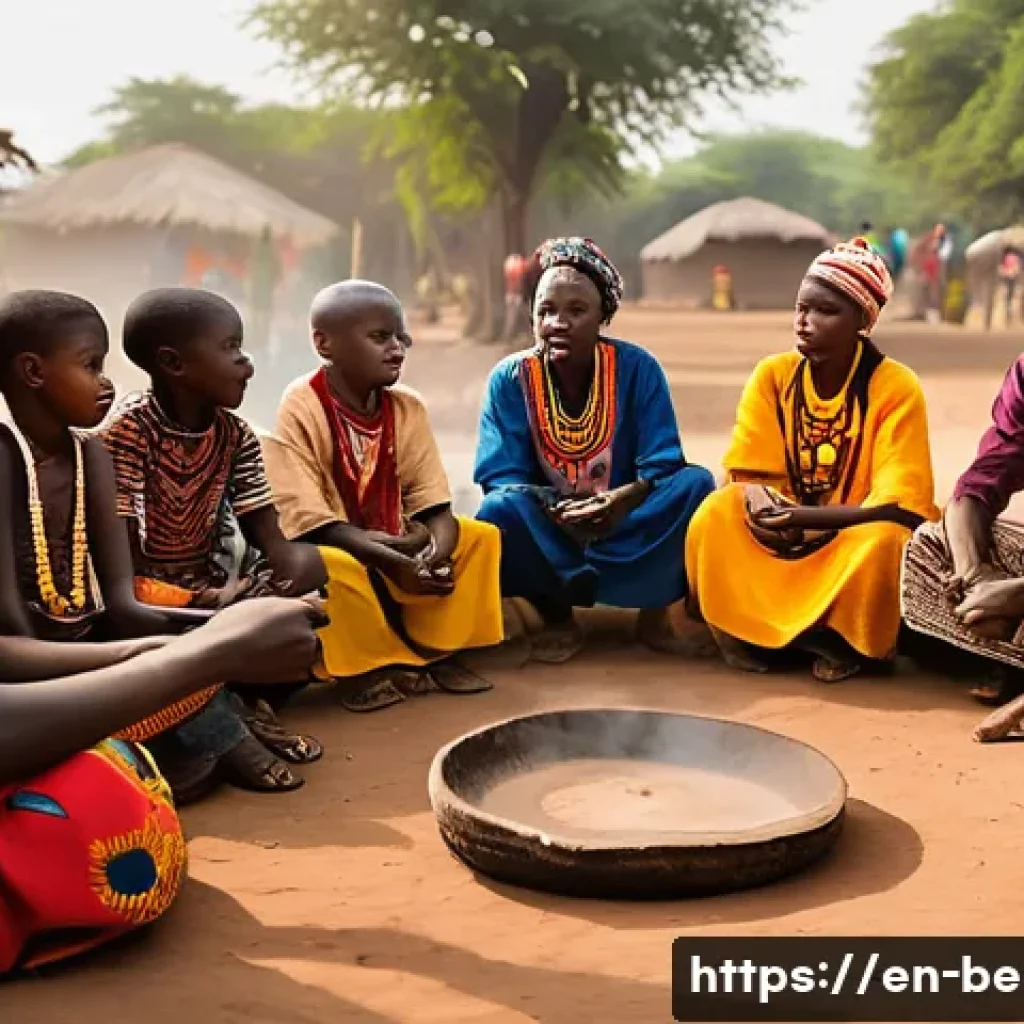
Oral storytelling in Benin is more than just entertainment; it’s a vital cultural practice that has passed knowledge, history, and values from one generation to the next.
I’ve had the chance to listen to griots and elders recounting tales that weave in moral lessons with the vibrant sounds of indigenous languages. These stories often involve trickster figures, heroic exploits, and ancestral wisdom.
What stands out is how storytelling sessions become communal experiences, inviting participation and reinforcing social bonds. The oral tradition remains a foundation for contemporary writers who draw on these narratives to give their work authenticity and depth.
Transition to Written Literature
While oral narratives remain influential, Benin’s literary scene has increasingly embraced the written word, especially since the mid-20th century. I noticed that many early Beninese writers were educated in French, which naturally shaped their literary output.
However, they didn’t abandon their roots; instead, they blended French with local idioms and storytelling styles. This fusion creates a rich literary texture that reflects the hybrid identity of modern Benin.
The evolution from oral to written forms also opened doors for wider dissemination and recognition of Beninese voices on the global stage.
The Role of Language in Literary Identity
Language in Beninese literature is a fascinating subject. French, as the official language, dominates the written form, but many writers incorporate Fon, Yoruba, and other local tongues to convey cultural nuances.
From my perspective, this multilingual approach enriches the narrative and resonates deeply with readers familiar with these linguistic layers. It’s like unlocking secret codes within the text that reveal cultural pride and resistance against colonial homogenization.
This linguistic interplay not only challenges readers but also enhances the literary artistry of Beninese poets and novelists.
Contemporary Voices Shaping Benin’s Literary Scene
Emerging Poets and Their Themes
Modern Beninese poets often tackle themes ranging from identity and migration to political critique and social justice. I’ve read several collections where poets use vivid imagery and a raw emotional tone to confront issues like corruption or the diaspora experience.
Their work feels urgent and personal, yet it’s also deeply rooted in collective memory. This blend of the personal and political makes their poetry compelling, pushing readers to reflect on broader societal challenges.
Many poets also experiment with form, mixing traditional rhythmic patterns with free verse, which breathes fresh life into Benin’s poetic tradition.
Women’s Increasing Literary Influence
One trend I find particularly exciting is the rise of women writers in Benin’s literary landscape. They are not only giving voice to female experiences but also challenging patriarchal norms through their narratives.
Their stories often explore themes of empowerment, gender roles, and cultural expectations, which adds much-needed diversity to the national literary discourse.
I’ve noticed that female poets and novelists use their platform to highlight issues like education for girls and domestic violence, weaving these concerns into their artistic expression with courage and nuance.
The Impact of Literary Festivals and Workshops
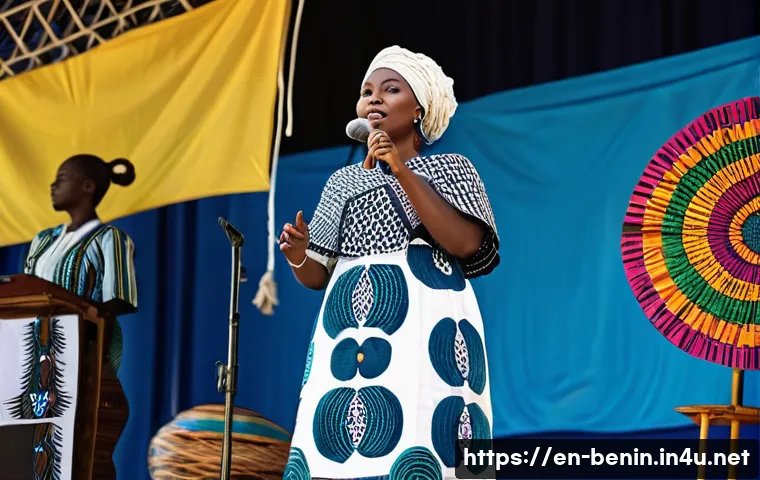
Literary festivals and workshops have become important spaces for Beninese writers to connect, learn, and showcase their work. I’ve attended a couple of these events virtually, and the energy is palpable.
These gatherings encourage collaboration between emerging and established authors, fostering mentorship and cross-pollination of ideas. The festivals also attract international attention, helping Beninese literature reach new audiences.
Importantly, workshops provide practical skills in writing and publishing, empowering more people to tell their stories confidently.
Blending Tradition and Modernity in Beninese Poetry
Incorporation of Indigenous Symbols and Motifs
Many Beninese poets draw heavily on indigenous symbols and motifs, weaving them into contemporary themes. From my experience reading their work, this practice enriches the poetry’s texture and meaning.
For example, references to local deities, nature, and ancestral spirits often serve as metaphors for broader human experiences. This symbolic layering creates a dialogue between past and present, tradition and innovation.
It’s fascinating how these motifs act as cultural anchors, grounding the poetry in Benin’s unique worldview even as the poems explore universal themes.
Innovative Use of Form and Style
Beninese poets don’t shy away from experimenting with form. I’ve seen collections where traditional oral rhythms are transformed into free verse or spoken word performances, creating a dynamic fusion of styles.
This experimentation reflects a desire to break free from rigid conventions while honoring cultural heritage. Some poets incorporate call-and-response elements or use repetition to mimic the cadence of oral storytelling.
This innovative approach not only captivates readers but also revitalizes the poetic tradition, making it relevant for younger generations.
Engagement with Social and Political Issues
Poetry in Benin often serves as a platform for social commentary. Poets bravely confront issues like inequality, corruption, and environmental degradation.
Reading their work, I’ve been struck by the balance between lyrical beauty and sharp critique. These poems don’t just describe reality; they challenge it, urging readers to reflect and act.
This activist spirit is a powerful aspect of Beninese literature, demonstrating how art can influence social change and foster community resilience.
Notable Beninese Literary Figures and Their Contributions

Key Poets Who Made a Global Impact
Among Benin’s literary giants, some poets have gained international recognition for their unique voices and impactful themes. Their works often bridge local experiences with global concerns, resonating across cultural boundaries.
I’ve come across names like Paulin Hountondji and José Pliva, whose poetry blends philosophical inquiry with vivid imagery. Their ability to articulate both personal and collective struggles has earned them a respected place in African literature.
These poets serve as inspirations for emerging writers, demonstrating the power of Beninese literature on the world stage.
Literary Mentors and Educators
Beyond their own writing, many Beninese literary figures actively mentor younger writers and contribute to literary education. I admire how they invest time in nurturing new talent, often organizing workshops and reading sessions.
This mentorship helps sustain the literary tradition and fosters a supportive community. Their dual role as creators and educators enriches Benin’s literary ecosystem, ensuring that knowledge and passion for literature continue to thrive.
Recognition and Awards
Recognition through awards and literary prizes plays a crucial role in promoting Beninese authors. I’ve noticed that winning a prestigious award often leads to increased visibility and publishing opportunities, both locally and internationally.
These accolades validate the writers’ efforts and encourage more people to engage with Beninese literature. Awards also highlight the diversity and richness of the country’s literary output, helping to dispel stereotypes and broaden readers’ perspectives.
Benin’s Literature in the Digital Age
Online Platforms Amplifying Beninese Voices
The rise of digital media has opened new avenues for Beninese writers to share their work. Blogs, social media, and literary websites provide accessible platforms that bypass traditional publishing barriers.
From what I’ve observed, these channels allow writers to reach younger, tech-savvy audiences and foster interactive discussions. Online poetry slams and virtual book launches have become common, creating vibrant literary communities that transcend geographic limitations.
This digital shift is crucial for sustaining and expanding Benin’s literary presence globally.
Challenges of Digital Publishing
Despite its benefits, digital publishing also presents challenges. Issues such as limited internet access in some regions and the struggle to monetize online content affect many Beninese authors.
I’ve heard from writers who find it difficult to balance quality with the demand for constant online engagement. Furthermore, protecting intellectual property rights online remains a concern.
Nonetheless, the digital landscape offers a promising frontier, and many writers are creatively navigating these obstacles to build sustainable careers.
The Future of Beninese Literature in a Connected World
Looking ahead, the integration of technology and literature promises exciting possibilities. I imagine more collaborative projects involving multimedia storytelling, combining text, audio, and visuals to create immersive experiences.
The global interest in African literature also means that Beninese voices will continue to gain recognition and influence. The challenge will be to maintain cultural authenticity while embracing innovation—a balance that Benin’s literary community seems well-prepared to achieve.
Overview of Prominent Beninese Poets and Their Styles
| Poet | Primary Language | Key Themes | Distinctive Style | Notable Works |
|---|---|---|---|---|
| Paul Hountondji | French | Philosophy, Identity, Colonial Legacy | Philosophical poetry with vivid imagery | “Voices of the Ancestors,” “Echoes of Benin” |
| José Pliva | French and Fon | Social Justice, Tradition, Modernity | Fusion of oral rhythms and free verse | “Songs of the Earth,” “Urban Whispers” |
| Marianne Ayaba | French | Gender, Empowerment, Cultural Heritage | Emotive and narrative-driven poetry | “Her Stories,” “Women of the Wind” |
| Emmanuel Tchibozo | French and Yoruba | Migrancy, Identity, Spirituality | Multilingual, symbolic, and metaphor-rich | “Crossroads,” “Spirit Songs” |
Conclusion
Beninese storytelling beautifully bridges tradition and modernity, reflecting the rich cultural heritage and evolving literary landscape of the country. From oral tales to contemporary poetry, these narratives continue to inspire and challenge readers worldwide. Embracing both indigenous languages and French, Beninese literature offers a unique voice that resonates deeply with diverse audiences. It’s clear that this vibrant literary tradition will keep growing, fueled by passionate writers and an engaged community.
Useful Information to Know
1. Beninese storytelling has its roots in oral traditions, where griots and elders play a key role in preserving cultural history through engaging communal narratives.
2. The shift from oral to written literature in Benin began in the mid-20th century, blending French language with local idioms to create a hybrid literary identity.
3. Many contemporary Beninese poets explore social and political themes, using innovative forms that combine traditional rhythms with modern styles.
4. Women writers in Benin are increasingly influential, addressing gender issues and empowering narratives that enrich the national literature.
5. Digital platforms are expanding Beninese literary reach globally, though challenges like internet access and monetization remain hurdles for some authors.
Key Takeaways
Beninese literature thrives on a dynamic interplay between oral heritage and written innovation, creating a culturally rich and socially engaged body of work. Language plays a crucial role, with multilingualism enhancing narrative depth and cultural expression. The rise of new voices, especially among women and younger poets, injects fresh perspectives into the literary scene. Supportive networks through festivals, mentorship, and digital media are vital in nurturing talent and expanding the global presence of Beninese literature. Understanding these elements offers valuable insight into the evolving story of Benin’s vibrant literary tradition.
Frequently Asked Questions (FAQ) 📖
Q: What are the main themes explored in Benin’s literature?
A: Benin’s literature often delves into themes like cultural identity, history, social challenges, and spirituality. Writers skillfully blend traditional oral narratives with contemporary issues, reflecting on colonial legacies, the tension between modernity and tradition, and the everyday lives of Beninese people.
This rich thematic variety makes the literature both deeply personal and universally resonant.
Q: Which languages are commonly used by Beninese poets and writers?
A: While French is the official language and widely used in Beninese literature, many poets and writers incorporate indigenous languages such as Fon and Yoruba into their works.
This linguistic fusion enriches their poetry and prose, creating a unique voice that honors local heritage while engaging with global literary traditions.
Q: How has Benin’s literary scene evolved in recent years?
A: Recently, Benin’s literary scene has experienced a dynamic revival, with young writers and poets gaining international recognition. Social media and literary festivals have played a crucial role in amplifying their voices.
From blending traditional storytelling with modern forms like slam poetry to addressing contemporary social issues, the new generation brings fresh energy and perspectives that continue to reshape and elevate Benin’s literary landscape.